




Table of Contents
The world of fashion is continually evolving, driven by creativity, technology, and consumer demand. One component that consistently reinvents itself within the industry is the use of prints. But what exactly are prints in fashion? Let’s dive into this vibrant element of style that speaks volumes without saying a word.
Understanding the Nature and Structure of Prints
Prints in fashion describe surface patterns applied to fabric to deliver a look that is both expressive and visually engaging. In contrast to woven textures, prints sit on the material’s exterior and may showcase diverse imagery, motifs, colors, and stylistic approaches. These designs are created through methods like screen printing, digital printing, and block printing, with each technique imparting its own distinctive character to the fabric.
Screen Printing: This traditional method involves creating a stencil and using it to apply layers of ink on the fabric. Each color requires a separate stencil, allowing for vibrant, multi-hued designs. Screen printing is preferred for its durability and vivid colors.
Digital Printing: A modern advancement that uses digital technology to print designs directly onto the fabric. This method is noted for its precision and detail, accommodating complex designs and color gradients without the need for stencils.
Block Printing: An ancient technique where carved wooden blocks are used to stamp designs onto the fabric. Known for its artisanal charm, block printing is labor-intensive but offers unique textures that are difficult to replicate with machines.
Cultural and Historical Importance
Prints have played a crucial role in shaping fashion throughout different cultures and historical eras, influencing styles as they spread across regions. For instance, Paisley prints first emerged in Persia before entering Western wardrobes, where they gained prominence in the 18th and 19th centuries. Across Africa, Ankara fabrics and African wax prints hold deep cultural significance, frequently featured in both ceremonial clothing and everyday wear.
In the 20th century, pop art brought playful, striking patterns into everyday fashion, and designers such as Versace and Pucci became renowned for employing vivid colors and geometric motifs that helped shape a distinctive era of maximalism. Each pattern conveys its own narrative, frequently connected to cultural heritage and artistic trends.
Current Directions and Practical Use
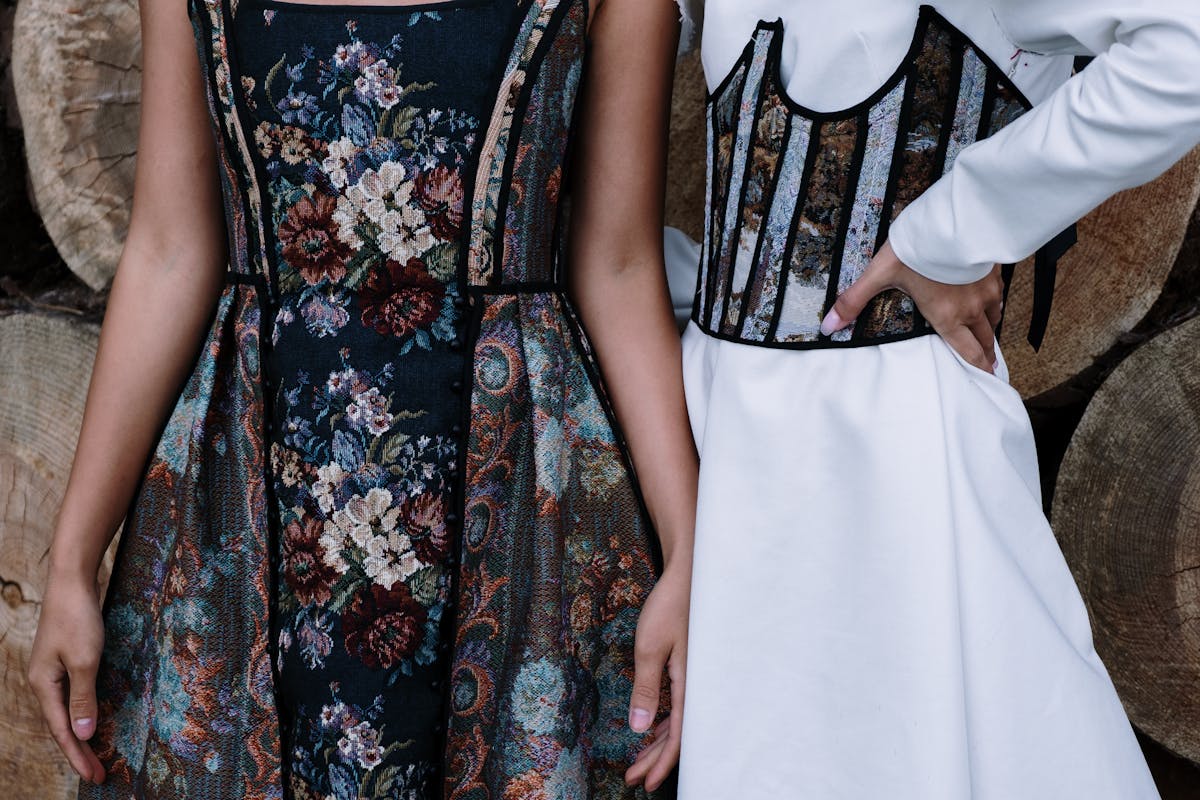
Today’s fashion scene is a melting pot of influences where prints play a pivotal role. Animal prints like leopard and zebra stripes carry an aura of boldness and luxury, while floral prints offer a timeless appeal, continuously reinterpreted in all seasons. Geometric designs provide a futuristic feel, aligning with minimalist styles found in modern streetwear.
Prints extend beyond traditional apparel as accessories like scarves, bags, and even shoes frequently showcase printed designs to create standout pieces. Their wide range of scales and levels of detail allows prints to suit numerous garments and purposes, attracting interest from a broad audience.
Brands such as Gucci, Dolce & Gabbana, and Alexander McQueen often weave prints into their collections, establishing influences that spread across the industry. From the catwalk to store shelves, prints infuse fashion with vivid energy and distinctive character.
The Role of Sustainability and Technology
As sustainability becomes a critical focus, the fashion industry is exploring eco-friendly printing techniques. Advanced digital printing reduces water and energy consumption compared to traditional methods. Additionally, there is a growing interest in biodegradable inks and fabrics, paving the way for sustainable fashion that doesn’t compromise on creativity or quality.
Innovative technology continues to push the boundaries of what’s possible. 3D-printed designs blur the line between fabric and print, and augmented reality offers dynamic, customizable clothing experiences, showcasing the future of print in fashion.
Reflecting on the journey of prints in fashion, it’s apparent that they are much more than decorative elements. Prints are a dynamic language, versatile in expression and rich in history. They connect the fabric of culture, technology, and art, continually reinventing the way we dress and express ourselves. “`