





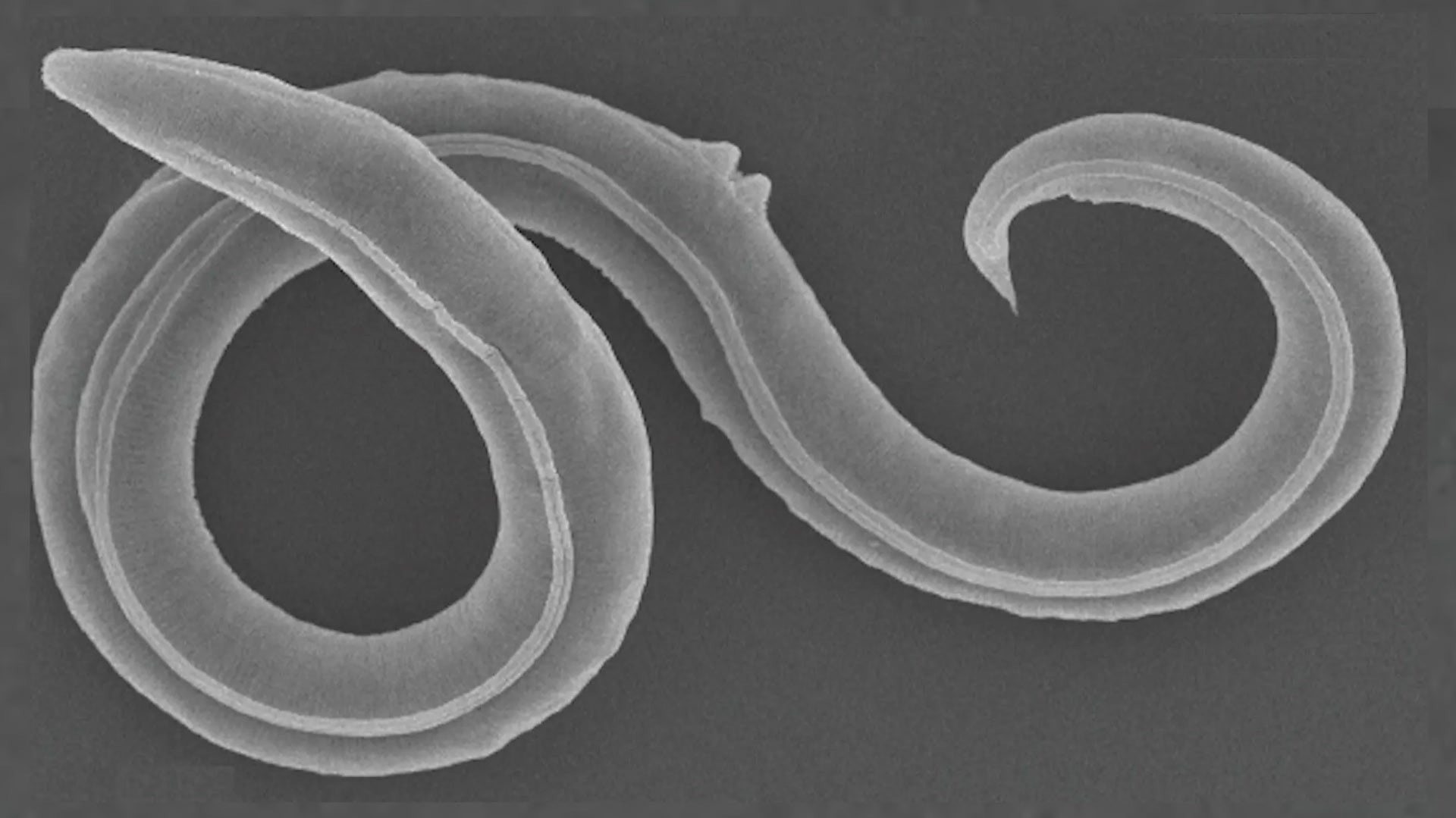
Public swimming pools are a popular way to cool off, exercise, or spend time with family and friends, especially during warmer months. However, beneath the inviting surface of chlorinated water lies a potential health concern that often goes unnoticed: the presence of pathogens such as parasites and bacteria, including Staphylococcus aureus. While pool water is treated to reduce the spread of disease, not all risks are eliminated—particularly when hygiene standards are inconsistently maintained or when swimmers fail to follow proper sanitation practices.
Comprehending the ways in which these microorganisms infiltrate and remain in swimming pool settings is crucial for assessing the actual cleanliness of communal pools. Elements like insufficient chlorination, high numbers of swimmers, and inadequate personal hygiene of individuals can all lead to an increase in pathogens. The problem might not be immediately observable, highlighting the necessity of awareness and preventive actions.
One of the main bacterial threats associated with public swimming facilities is Staphylococcus aureus, a common bacterium found on the skin and in the noses of many healthy individuals. Although it is usually harmless, it can lead to infections when it enters the body through cuts or abrasions. In pool settings, where people gather in close quarters and wear minimal clothing, the risk of transmission can increase—especially if surfaces like benches, showers, and poolside furniture are not regularly disinfected.
In certain situations, S. aureus strains can be impervious to antibiotics, with methicillin-resistant Staphylococcus aureus (MRSA) being one example. These types of strains pose particular challenges in settings where people often come into close physical contact and where items like towels or grooming tools might be shared. Although MRSA is typically linked with fitness centers and locker facilities, swimming pools can also serve as a potential site of transmission, particularly if injuries are not adequately protected.
Alongside bacteria, parasites such as Cryptosporidium pose a significant concern in public pools. Unlike many other pathogens, Cryptosporidium is highly resistant to chlorine and can survive in treated water for several days. It spreads through the fecal-oral route, which means even a small amount of contaminated fecal matter can infect others who inadvertently swallow pool water. Outbreaks of cryptosporidiosis have been traced back to public swimming facilities, with symptoms that include diarrhea, stomach cramps, and nausea—sometimes lasting for up to two weeks.
The spread of these organisms is often facilitated by inadequate pool maintenance. Chlorine levels that drop below recommended thresholds, malfunctioning filtration systems, or infrequent cleaning of high-contact surfaces can create an environment where harmful microbes thrive. Moreover, heavy pool usage during peak times can overwhelm the sanitizing capacity of the water treatment system, particularly in smaller or older facilities that lack modern equipment.
Another problem originates from the individuals using the pool. Inadequate personal cleanliness, like not showering before using the pool or letting children swim when unwell, plays a major role in pollution. Research has indicated that numerous swimmers neglect fundamental cleanliness guidelines—such as refraining from urinating in the pool or taking breaks to use restroom facilities—leading to more pollutants being introduced into the water.
The Centers for Disease Control and Prevention (CDC) offers recommendations for those managing and using pools to reduce infection risks. These involve keeping chlorine and pH at safe levels, ensuring effective filtration, and informing the public about good swimming practices. Nonetheless, adherence differs between facilities, and swimmers should actively contribute to their own protection.
To reduce the chances of infection when using public pools, individuals should adopt several precautionary measures. Showering before entering the water, avoiding swimming with open wounds, using flip-flops in communal areas, and never swallowing pool water are all effective practices. For parents, ensuring that children take regular bathroom breaks and wear swim diapers if needed can help minimize the risk of spreading fecal pathogens.
It is also advisable to assess the condition of the facility before swimming. Clean changing rooms, clear water, visible filtration equipment, and attentive staff are often indicators of good hygiene management. If a pool appears poorly maintained or overcrowded, it may be safer to avoid swimming there until conditions improve.
While the majority of visits to public pools do not result in illness, the risk of exposure to bacteria and parasites is real. By being aware of these hazards and practicing good hygiene, both swimmers and operators can contribute to a safer aquatic environment. Public health depends not only on the maintenance of facilities but also on the behavior of those who use them.
Ultimately, community swimming facilities can continue to be a secure and pleasant environment for leisure, as long as both personal and organizational duties are treated with importance. By implementing suitable preventative measures and enhancing public understanding, the risks associated with microorganisms such as Staphylococcus aureus and Cryptosporidium can be greatly minimized, enabling all individuals to relish the aquatic activities without unwarranted health worries.