


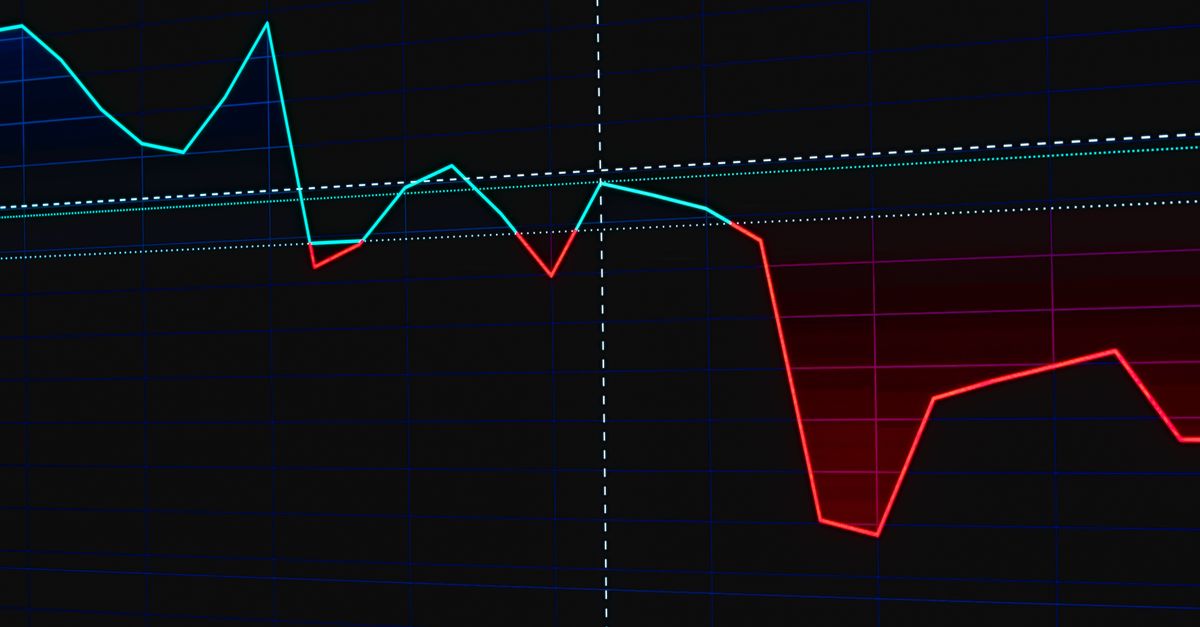


U.S. stocks experienced a modest pullback after recently reaching all-time highs, as investors navigated a busy week filled with corporate earnings, economic updates, and ongoing speculation about future interest rate moves. The slight retreat reflects a natural pause in the market’s upward trajectory, with traders adjusting positions amid a blend of optimism and caution.
The main indexes, including the S&P 500 and Nasdaq Composite, stepped back from their record levels, though the decline was far from dramatic. Analysts described the movement as part of a broader recalibration, not a shift in sentiment. While investor confidence remains largely intact, this week’s economic calendar has prompted a more measured approach to risk.
One significant factor capturing market focus is the wave of earnings announcements by major corporations across different industries. Organizations within technology, finance, healthcare, and consumer products are disclosing their results for the second quarter, providing insight into how they are managing inflation challenges, labor expenses, and shifting consumer trends.
Up to this point, a significant number of the earnings announcements have surpassed forecasts, strengthening the idea that companies in America are still robust. Nevertheless, some underperformances and careful future projections have caused fluctuations in particular sectors. Investors are paying close attention to see if impressive outcomes can keep sustaining high market values.
Simultaneously, investors are closely monitoring changes in monetary policy. With the Federal Reserve’s future actions still unclear, even minor indications can affect sentiment. Although inflation has exhibited signs of easing, the speed and timing of any possible interest rate reductions continue to be debated.
Certain investors think the Fed might start reducing rates by year’s end if inflation keeps decreasing and the job market relaxes a bit. On the other hand, some warn that early changes to rates might cause price pressures to resurface. This ambiguity has increased the attention given to data releases, especially in areas like employment and consumer expenditures.
- Recent economic reports have described the U.S. economy in varying shades.
- Consumer sentiment stays relatively robust, yet some areas—like housing and manufacturing—are experiencing challenges.
- The services industry has performed more steadily, though its expansion is not uniform and seems to be slowing in specific areas.
Reports on retail sales and orders for long-lasting goods are being observed closely this week, providing further understanding of the direction of domestic demand. If the results are better than anticipated, it could boost optimism, whereas a poorer outcome might lead to reevaluations of growth expectations for the latter part of the year.
Market movement has not been uniform across industries. Technology stocks, which have fueled much of this year’s rally, have shown signs of consolidation. Some investors are taking profits following rapid gains in AI-related companies and chipmakers. Meanwhile, energy and industrial stocks have gained modest ground as attention shifts to more cyclical areas of the economy.
Sectors such as utilities and healthcare, which are typically considered defensive, have also attracted more attention, indicating a minor focus on risk control. It seems that portfolio adjustments are happening as investors prepare for a possible change in the economic environment.
Beyond local events, international factors persist in swaying perceptions. Investors are observing foreign markets, especially in Europe and Asia, where growth trends are unpredictable. Issues regarding China’s economic rebound, political instability in some areas, and continuous trade conflicts add to a more wary worldwide perspective.
Currency markets and commodity prices have also responded to these developments, with fluctuations in oil and metals prices reflecting supply chain uncertainty and shifting demand. These factors, while not front-and-center in U.S. equities, play a role in shaping overall risk sentiment.
Aunque esta semana hubo un leve descenso, el sentimiento general del mercado sigue siendo positivo. La corrección es vista mayormente como una pausa saludable en lugar del inicio de una reversión más amplia. Los inversores a largo plazo siguen centrados en los fundamentos, como el crecimiento de las ganancias, las mejoras en la productividad y la fortaleza del consumidor.
Still, the remainder of the week will be crucial. Upcoming reports on inflation, GDP growth, and jobless claims could influence expectations around monetary policy and market direction. Investors will be especially attuned to commentary from Federal Reserve officials and corporate executives for hints about future conditions.
For now, Wall Street appears to be balancing short-term caution with long-term optimism. As markets digest new data and earnings results, the path forward will likely hinge on the interplay between economic resilience and policy flexibility.