

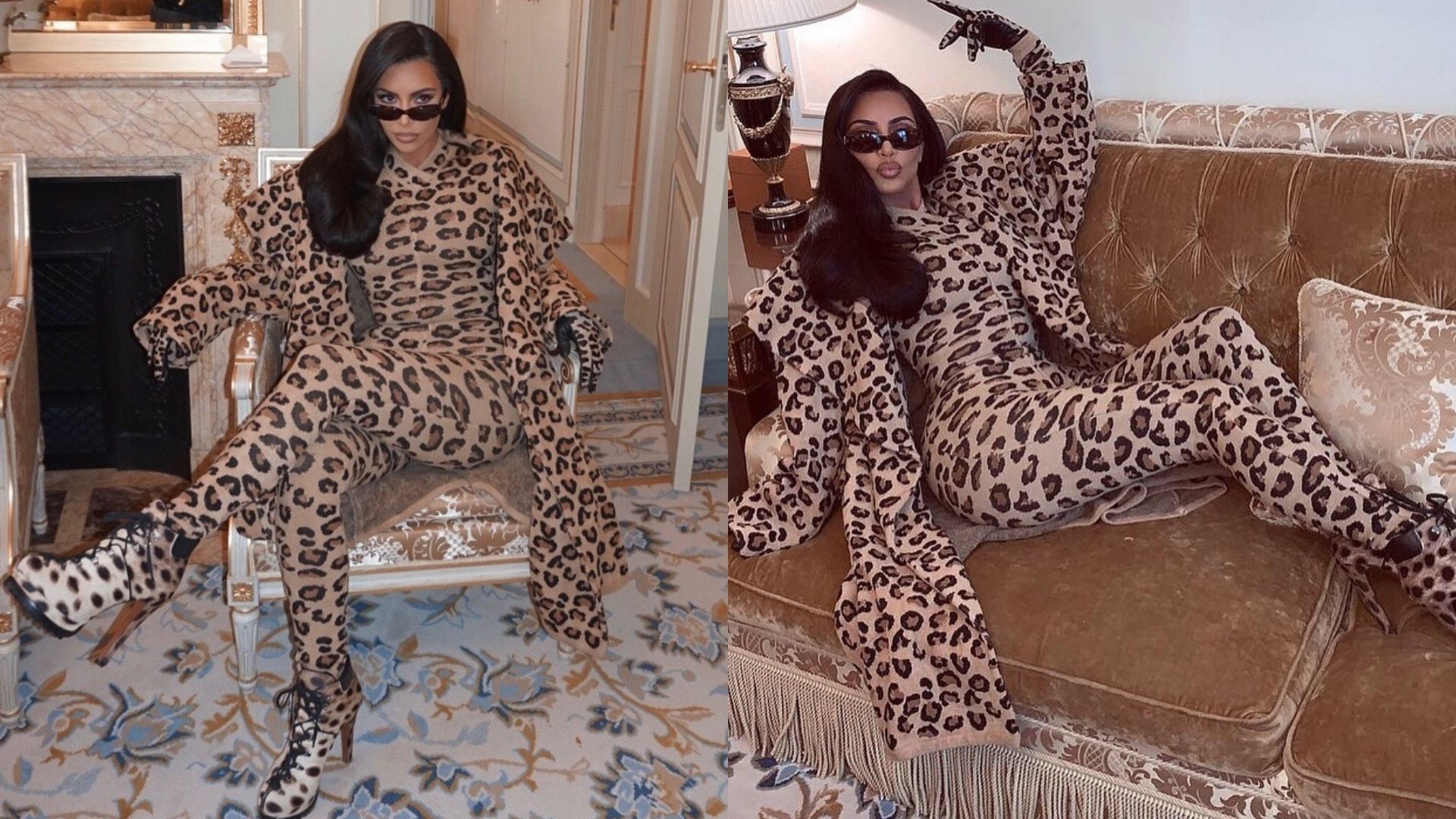
In the dynamic realm of fashion, some designs that used to be seen as audacious or temporary have slowly become essential items in wardrobes. A striking illustration is animal print—a pattern frequently regarded as adventurous or opulent. Nevertheless, the prevailing opinion in fashion now indicates that animal print ought to be considered not merely a fleeting fashion or standout item, but as a flexible, reliable neutral.
For many years, designs like leopard, cheetah, and zebra patterns were mostly associated with striking appearances—geared towards nights out, fashion editorials, or haute couture catwalks. Such patterns were linked with maximalism, which caused many to approach them with hesitation. However, fashion tastes have evolved. Nowadays, animal prints are widely accepted in various styles, from simplistic to boho, and their versatility is questioning traditional fashion norms.
In fashion, the essence of a neutral is more about its versatility and how effortlessly it complements other wardrobe pieces, rather than its hue. Classic neutrals like black, white, beige, navy, and gray are cherished as they form the essential base for creating coherent looks. Similarly, animal patterns, especially those with traditional brown and black tones, serve a similar purpose. For example, leopard print can effortlessly mix with solid colors and natural shades, while also enhancing vibrant, bold colors. This versatility makes it an essential styling element that surpasses seasonal trends.
Part of the appeal of animal prints lies in their capability to enhance visual appeal without overpowering an ensemble. Floral or plaid patterns could clash with other prints or fabrics, but an expertly selected animal print can stabilize an outfit, while infusing it with elegance. A midi skirt featuring leopard spots can be combined with a plain white t-shirt and a denim jacket for a casual daytime style, or matched with a tailored blazer and heels for refined evening attire.
Fashion insiders have long understood this principle. Stylists frequently treat animal prints as foundational elements in capsule wardrobes, noting their reliability in both casual and formal settings. Designers continue to return to these motifs year after year—not as novelty items, but as enduring design components that anchor collections. From accessories to outerwear, animal prints consistently reappear in new forms that cater to evolving trends while maintaining their core appeal.
Fashion’s democratization via social media and online shopping has influenced the way animal print is perceived. On platforms such as Instagram, TikTok, and Pinterest, influencers frequently show how these designs can be incorporated with elegance and purpose. Rather than being the centerpiece of an ensemble, animal prints are typically utilized to enhance texture or provide contrast. Snakeskin boots paired with a muted ensemble, or a cheetah-print scarf draped over a simple sweater, offer depth without overpowering the appearance.
Additionally, animal motifs deliver a touch of uniqueness and style without necessitating risk. For individuals who like simple wardrobes yet wish to steer clear of dullness, these patterns offer a harmonious way to bring in diversity. The consistency of the color scheme guarantees it stays wearable, while the natural design of the pattern keeps it dynamic.
The contemporary acceptance of animal prints as neutrals also mirrors wider transformations in fashion consumption and interpretation. There is a growing focus on individuality, eco-friendliness, and creating timeless wardrobes instead of pursuing short-lived trends. Within this framework, animal prints deliver both durability and fashion. Their recurring presence throughout the seasons confirms their lasting appeal, and their versatility aids in thoughtful dressing.
Color psychology may also contribute to the enduring popularity of these prints. The natural tones found in most animal prints—think warm browns, deep blacks, and sandy beiges—mirror hues found in nature, which are often perceived as grounding and calming. These color associations reinforce the idea that animal print doesn’t have to shout; it can whisper, blending seamlessly into both everyday and elevated ensembles.
Some might contend that the widespread presence of animal print could lessen its effect; however, its regular incorporation actually reinforces its role as a neutral element. Similar to how stripes or polka dots have been absorbed into mainstream fashion language, animal print has evolved past being a mere fad. It is no longer confined to the fringes of fashion, used solely for bold expressions or defiance; it has become part of the essential fashion vocabulary.
There’s also a growing trend of animal print being reimagined in unexpected colorways—neon pink leopard spots, blue-toned snakeskin, or grayscale tiger stripes—offering even more versatility for those looking to personalize their looks. Still, it’s the classic iterations that retain the most enduring appeal. These prints possess a timeless quality that allows them to outlast trend cycles and remain relevant even as the broader fashion landscape evolves.
In the retail sector, the ubiquity of animal print across various levels of the market—ranging from affordable brands to high-end designers—demonstrates its broad appeal. It has moved beyond being merely a symbol of opulence or defiance, becoming a staple in fashion that appeals to a wide spectrum of buyers. Whether it’s a tailored leopard jacket showcased at a fashion event in Paris or an economical zebra-patterned purse available on the internet, animal print is now donned not only to capture attention but also to integrate fashionably.
Finally, considering animal print as a neutral acknowledges its part in the development of contemporary fashion. It defies the idea that neutrals need to be plain or understated, showing that texture, design, and personality can harmonize with adaptability. It encourages individuals to rethink the concept of a versatile wardrobe—not just in terms of hue, but in essence.
As fashion continues to embrace inclusivity and diversity in expression, it’s only natural that patterns once seen as unconventional are now seen as essential. Animal print’s journey from the fringe to the forefront of fashion is a testament to its adaptability, its timeless charm, and its capacity to act not merely as an accent—but as a foundation.