





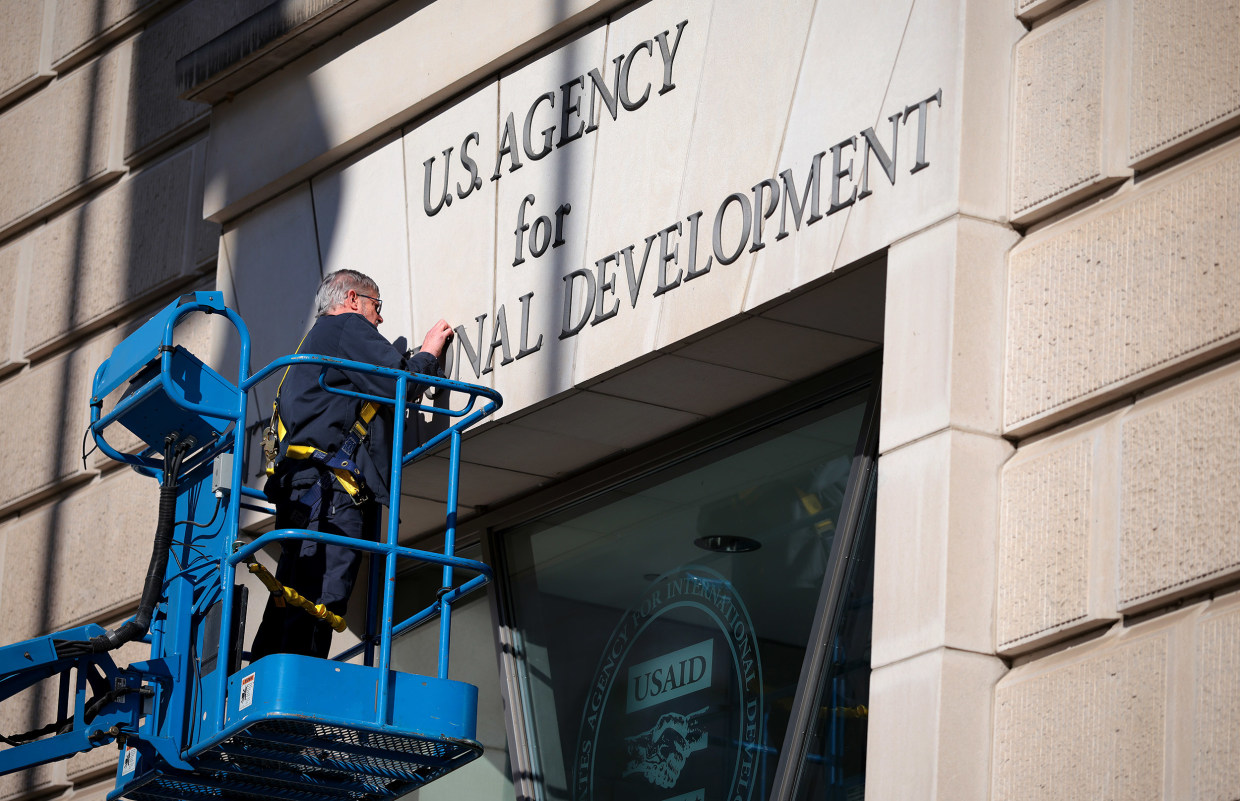
A large shipment of U.S.-funded contraceptives, valued at nearly $10 million and initially intended to support family planning efforts in low-income countries, is now slated for destruction in a medical waste facility in France. The decision comes after months of political and logistical gridlock that left the supplies—ranging from birth control pills to long-acting reversible contraceptives like implants and intrauterine devices—stranded in a European warehouse.
The birth control supplies, acquired via an American foreign aid initiative aimed at enhancing worldwide access to reproductive health, became entangled in the aftermath of policy modifications subsequent to a change in U.S. administration. The current government has implemented a stricter policy on global reproductive health financing, reflecting earlier approaches that restrict backing for groups engaged in abortion-related services.
Although the products were never connected to abortion services themselves, the U.S. government argued that distributing them through certain global health partners would breach federal restrictions. These include provisions like the Mexico City Policy and the Kemp-Kasten Amendment, both of which prohibit U.S. aid from supporting entities associated with abortion counseling or referrals.
Offers from reputable international organizations and UN agencies to take ownership of the contraceptives and handle the logistics of distributing them to countries in need were rejected. Some of these offers even included full financial coverage for repackaging and transportation, which would have ensured the products complied with U.S. labeling and branding policies. Despite this, U.S. officials cited legal and administrative barriers that made redistribution impossible under current law.
Now, with expiration dates on some of the supplies reaching as far as 2031, the only option remaining is disposal. The operation to destroy the contraceptives is set to cost over $160,000, a price that critics argue adds financial waste to humanitarian loss.
Este avance se produce en un momento en que el acceso a métodos anticonceptivos sigue siendo crucial para muchas naciones en desarrollo, especialmente en el África subsahariana. En estas áreas, la necesidad de planificación familiar frecuentemente supera la oferta, resultando en altos índices de embarazos no planeados, abortos inseguros y problemas de salud materna. Muchas de las clínicas que dependen de la ayuda estadounidense ya han informado escasez desde que entraron en vigor reducciones previas a los programas de salud reproductiva global.
Global health specialists caution that the repercussions of this policy could be catastrophic. A lack of access to birth control could compel millions of women and girls to endure unintended pregnancies, frequently in situations where maternal health services are scarce or unavailable. In certain areas, the absence of long-term birth control options translates to more frequent trips to clinics for temporary measures, which might not be practical for numerous individuals.
Beyond health impacts, the decision has sparked international concern over the politicization of foreign aid. Critics argue that the destruction of usable, high-quality contraceptives reflects a broader disregard for the needs of vulnerable populations in favor of ideological priorities. They point to the fact that multiple governments and humanitarian organizations had volunteered to facilitate the distribution, yet their offers were declined.
Charities focused on humanitarian aid also express worries regarding the implications of this situation. They point out that if worldwide health resources can be jeopardized due to conflicts over trademarks or associations, numerous other assets—ranging from vaccines to medical devices—may face comparable threats moving forward.
While some members of Congress have introduced legislation aimed at salvaging the contraceptives or redirecting them to appropriate partners, there is little optimism that such efforts will succeed in time. The bureaucratic process, combined with the administration’s firm stance, leaves few realistic options for intervention.
This situation also fits into a larger pattern: the systematic rollback of global reproductive health programs funded by the U.S. Government. Since the change in administration, funding cuts and program suspensions have already led to the closure of several clinics and service providers overseas. Contraceptives that once supported family planning and HIV prevention efforts have become harder to access, especially in rural and underserved communities.
The situation is especially distressing due to the unnecessary misuse of resources. The contraceptives remain viable, uncontaminated, and intact. They were acquired with public funding aimed at enhancing wellness and self-determination in regions with scarce options. However, rather than achieving that goal, they are being destroyed, providing no benefits to community health or responsible financial management.
Many specialists argue that distinguishing political motives from humanitarian support is crucial for maintaining the future trustworthiness of U.S. foreign aid. When critical resources are wasted because of political conflicts, the fundamental goal of humanitarian aid is challenged.
Looking ahead, global partners are reevaluating how they collaborate with major donors like the U.S. Some may seek alternative sources of funding or push for more flexibility in procurement and distribution agreements. Others may call for international norms to prevent the destruction of viable medical supplies when they can be repurposed to serve public health needs.
For the moment, the destiny of the $10 million in contraceptives is decided. As they are destroyed in a French location, the women and families who could have depended on them are left in anticipation—lacking answers, lacking choices, and without the reproductive health aid that was once assured.