





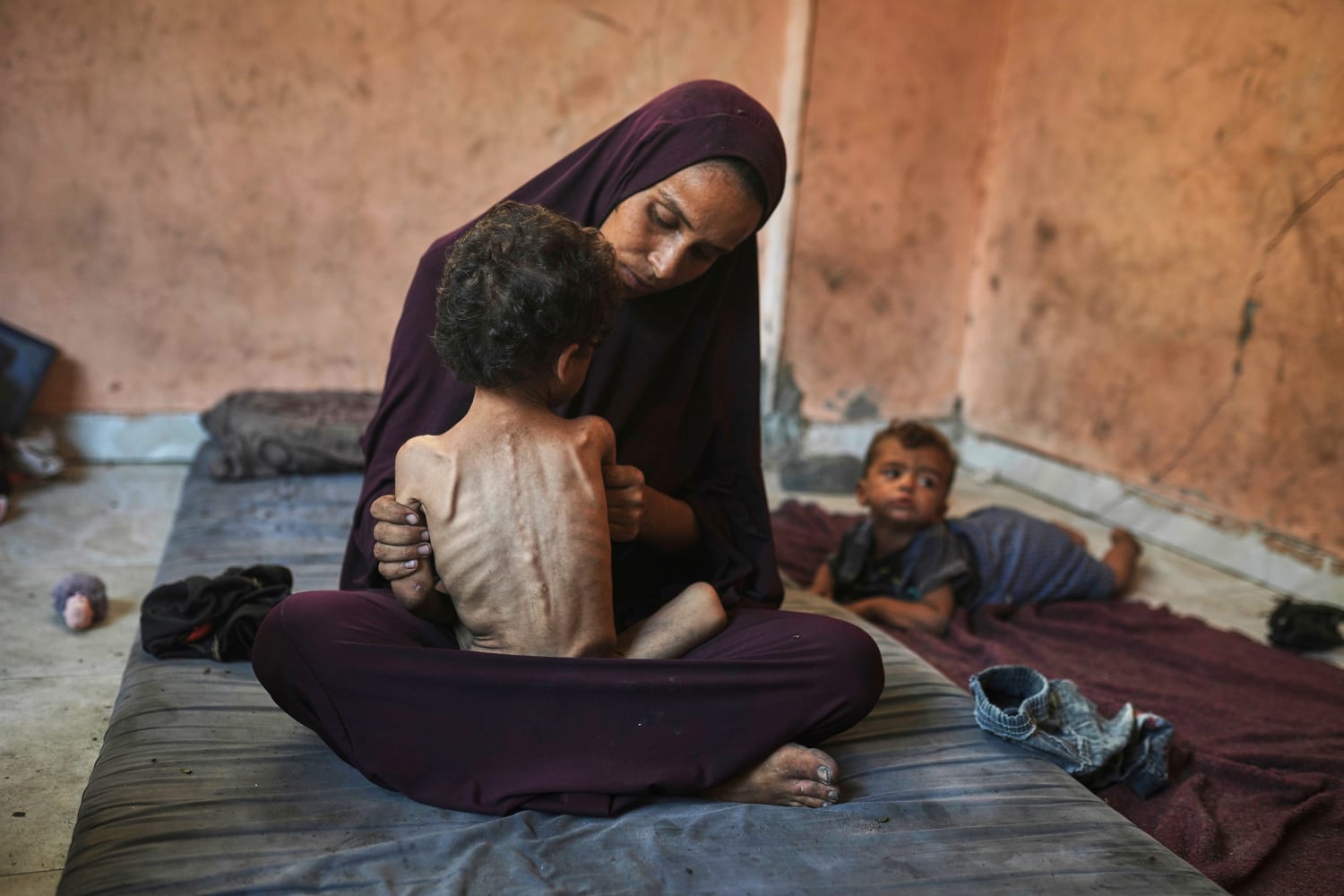
In the midst of a deepening humanitarian crisis, families in Gaza are facing extreme challenges accessing basic necessities, particularly infant formula and food. The widespread shortages have left many mothers struggling to feed their babies, as the local population copes with deteriorating conditions and limited aid.
For numerous women in Gaza, breastfeeding stands as the sole option for nourishing their babies. Nonetheless, due to the ongoing conflict, poor nutritional intake, and insufficient healthcare, mothers are finding it harder to produce the necessary amount of milk. Consequently, some infants are not receiving the nourishment required, jeopardizing their health and growth.
The absence of formula and baby food is not an isolated problem but part of a broader food insecurity issue affecting the entire region. Markets that once sold essential supplies are now either closed or depleted, with shelves bare and prices of remaining goods soaring beyond affordability for most families. The situation has grown dire for young children and newborns, who require proper nourishment for growth and survival.
In many cases, mothers are forced to rely on improvised solutions. Some are diluting powdered milk, while others turn to alternative feeding methods that are neither sufficient nor safe for infants. These temporary fixes do little to address the urgent nutritional needs of babies, and in some cases, may even worsen their health.
The situation worsens due to the collapse of essential infrastructure. Electricity failures and the damage to clean water facilities render food preparation and sanitation nearly unfeasible. Lacking access to uncontaminated water or dependable cooling storage, maintaining even fundamental hygiene transforms into a privilege. This sets the stage for disease proliferation, particularly among children with compromised immune systems.
Medical professionals, when available, face overwhelming demands and lack sufficient resources. Hospitals are finding it challenging to handle the influx of undernourished patients, especially newborns with low birth weight or those suffering from dehydration and sickness caused by inadequate nutrition. Healthcare workers frequently have to make extremely difficult choices as they attempt to allocate limited supplies and equipment in tough circumstances.
The emotional impact on mothers is significant. Numerous mothers express emotions of powerlessness and guilt as they witness their children endure hardships, unable to offer the vital nourishment they urgently require. This psychological strain, coupled with the physical difficulties of hunger and displacement, intensifies the trauma experienced by an already vulnerable community.
Attempts to deliver humanitarian aid persistently encounter logistical and political obstacles. The slow pace in aid transportation, combined with limitations on the permitted types of goods, has hindered the impact of relief operations. Organizations providing assistance in the region frequently face difficulties in distributing resources effectively, particularly in the most severely impacted areas.
Despite these obstacles, there have been calls for more coordinated international response to address the urgent needs of mothers and children in Gaza. Advocates argue that ensuring access to infant formula and basic nutrition is a matter of survival and should be prioritized in any humanitarian strategy.
Until broader, more durable resolutions are enacted, households continue trapped in a perilous loop. Lacking proper nourishment, babies face the threat of enduring developmental delays, whereas mothers suffer continuous mental and physical challenges. The emergency highlights the susceptibilities of non-combatant groups, especially women and minors, in regions facing extended strife and restricted care access.
As the situation continues to unfold, the need for immediate action remains critical. Ensuring that infants and mothers receive the food, care, and support they need is not just a health issue—it is a matter of human dignity and survival.