


South American countries are rapidly becoming a center of attention for global investments in oil and gas, capturing the interest of leading energy corporations worldwide. With extensive unexplored reserves, political changes, and increasing global need for hydrocarbons, the area is establishing itself as a more appealing location for oil drilling and production. Prominent industry figures are investing billions in South American initiatives, indicating a fresh era in the worldwide energy sector.
The renewed interest in South America’s oil potential is driven by a combination of factors, including technological advancements, evolving geopolitical dynamics, and the need for diversified energy supplies. Countries like Brazil, Guyana, Argentina, and even emerging players such as Suriname are at the heart of this transformation, offering new opportunities for growth amid shifting global energy policies.
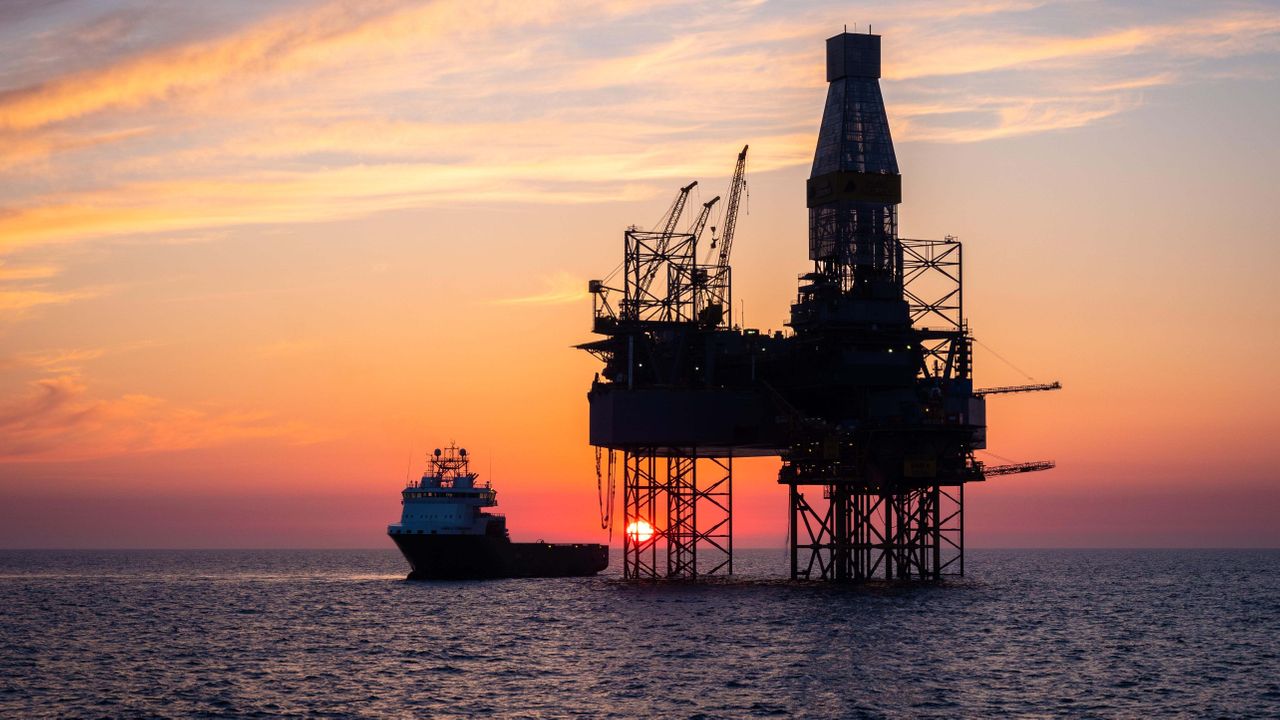
One of the key drivers of this investment surge is the discovery of significant offshore oil reserves. Brazil, long known for its deepwater pre-salt fields, has been a pioneer in offshore drilling technologies. Petrobras, Brazil’s state-owned oil giant, has developed sophisticated techniques to extract oil from challenging deep-sea environments, positioning the country as one of the top oil producers outside of the Middle East. The pre-salt basins hold billions of barrels of recoverable crude, attracting both local and foreign investment.
Meanwhile, Guyana has rapidly ascended as one of the world’s hottest new oil frontiers. Since the first major oil discovery in the Stabroek Block in 2015, the country has drawn major players like ExxonMobil, Hess Corporation, and CNOOC. Production in Guyana has increased at an astonishing pace, transforming the small South American nation into a significant contributor to global oil supply. Analysts project that Guyana’s oil output could exceed one million barrels per day within the next few years—a remarkable achievement for a country that only recently entered the oil market.
Suriname, a neighboring country, has also become one of the hopeful nations in oil production due to a string of fruitful offshore discoveries. Global firms like TotalEnergies and Apache Corporation are eagerly investigating the offshore regions, optimistic that Suriname might mirror some of Guyana’s achievements. These advancements are a component of a more extensive movement of exploration along the northern shoreline of South America, where the geological structures imply immense, unexplored hydrocarbon prospects.
Argentina, South America’s second-largest economy, is another focal point for oil and gas investment, particularly in its Vaca Muerta shale formation. One of the world’s largest unconventional oil and gas reserves, Vaca Muerta has attracted investment from multinational firms like Chevron, Shell, and BP. The development of this shale basin is critical for Argentina’s energy independence and economic stability, as well as for meeting the rising demand for natural gas in global markets.
While the scale of oil reserves and technical potential is a primary motivator, geopolitical shifts are also playing a role in the redirection of investments toward South America. As some traditional oil-producing regions face political instability, sanctions, or regulatory challenges, energy companies are seeking more stable environments where exploration and production can be carried out with greater predictability.
Countries in South America have been diligently working on reformulating their legal and regulatory systems to appeal to international investors. Nations like Brazil and Argentina have introduced reforms to boost involvement of private and international companies by providing advantageous tax policies, enhanced contract agreements, and more straightforward regulations. These policy modifications intend to promote exploration activities, increase governmental income, and generate job prospects.
Another factor influencing the move toward South American oil investments is the changing nature of global energy demand. While the energy transition toward renewables is accelerating, oil and gas remain essential components of the world’s energy mix, particularly in developing economies. South America’s relatively low-cost production and proximity to key export markets in North America, Europe, and Asia make it an appealing region for companies seeking to balance energy security with cost efficiency.
The economic benefits for host countries are significant. Oil production generates revenue through royalties, taxes, and export earnings, contributing to national budgets and funding development initiatives. In countries like Guyana, where oil wealth is a new phenomenon, governments face the challenge of managing windfall profits responsibly to ensure long-term economic stability and avoid the so-called “resource curse” that has afflicted some oil-dependent nations.
Environmental factors play a key role in the conversation. Increasing oil output in ecologically fragile regions brings worries about possible environmental consequences, such as oil leaks, habitat loss, and carbon output. Consequently, numerous energy firms functioning in South America are facing growing demands to implement superior environmental practices, invest in greener technologies, and collaborate with local populations to tackle social and environmental issues.
The drive towards sustainability is encouraging the incorporation of renewable energy initiatives along with oil and gas projects in several nations. Brazil, as a case in point, is a world leader in biofuels and wind power, which enhances its conventional oil industry. In a similar vein, Argentina has broadened its renewable energy portfolio as part of a larger national approach to diversify its energy sources while still advancing Vaca Muerta.
Developing infrastructure is a vital aspect of the oil boom in South America. Well-functioning transport networks, pipelines, and export facilities are crucial for supporting heightened production and exportation activities. Nations such as Brazil are making substantial investments to upgrade ports and streamline logistics to accommodate the rising quantities of crude oil and liquefied natural gas. These enhancements in infrastructure benefit not only the energy industry but also foster overall economic growth by advancing trade and connectivity.
The function of national oil companies (NOCs) continues to be crucial throughout the continent. Government-run corporations like Petrobras in Brazil and YPF in Argentina are central to exploration and production efforts. In certain instances, collaborations between NOCs and global energy companies provide opportunities for knowledge exchange, technology sharing, and risk mitigation. The equilibrium between government oversight and private sector involvement persists in influencing the investment environment in each nation.
Despite the enthusiasm surrounding South America’s energy potential, challenges remain. Political risk, regulatory uncertainty, currency volatility, and social unrest can pose obstacles to sustained investment. In some regions, disputes over land rights, indigenous communities, and environmental impacts have led to project delays and legal challenges. Managing these complex social dynamics requires careful stakeholder engagement and adherence to international best practices.
The worldwide scenario of climate change introduces additional challenges. As countries shift towards reducing carbon emissions, doubts remain regarding the sustainability of substantial investments in oil. Various investors and environmental organizations contend that ongoing expansion of fossil fuel production contradicts international climate objectives. However, oil continues to be a vital asset for fulfilling present energy requirements, and numerous developing nations consider the utilization of natural resources crucial for their economic growth.
Looking to the future, the trajectory of oil investment in South America will depend on a variety of factors, including commodity prices, technological innovation, environmental policies, and geopolitical developments. The rise of electric vehicles, improvements in battery storage, and the adoption of green hydrogen could alter global energy demand patterns, affecting the profitability of new oil projects.
For now, however, South America stands at the center of renewed global interest, as companies seek to capitalize on vast reserves and favorable market conditions. Whether these investments will bring lasting prosperity and energy security—or sow new challenges—will depend on the choices made by governments, companies, and communities in the years ahead.
In the evolving global energy landscape, South America’s role is expanding, not only as a supplier of hydrocarbons but also as a region where the interplay of economic ambition, environmental responsibility, and geopolitical strategy will shape the future of energy for decades to come.