





The United States government is taking significant steps to strengthen its domestic production of rare earth elements, aiming to reduce reliance on foreign sources and bolster critical supply chains essential for modern technology and national security. This strategic investment reflects growing concerns over global competition for these vital materials, which play a crucial role in industries ranging from electronics and renewable energy to defense and telecommunications.
Rare earth elements, a group of 17 chemically similar metals, are indispensable in the manufacturing of a wide array of advanced technologies. From smartphones and electric vehicles to military equipment and wind turbines, these minerals are the backbone of many products that drive both the global economy and technological innovation. However, the supply of rare earths is heavily concentrated, with China currently dominating the market, accounting for a significant majority of global production and processing capacity.
Identifying the risks linked to excessive reliance on one supplier, especially given rising geopolitical tensions, the US government has unveiled intentions to boost domestic extraction, refinement, and reuse of rare earth elements. This initiative is a component of a wider approach to safeguard vital supply networks, strengthen economic robustness, and facilitate the shift to clean energy technologies that depend on these materials.
The planned investment is expected to target both upstream and downstream sectors of the rare earths industry. This includes funding for exploration and development of domestic mining projects, as well as investments in refining and separation facilities, which are necessary to turn raw ore into usable materials for manufacturing. Additionally, the initiative may support research into alternative sources, such as rare earth recycling and the development of substitute materials that could reduce demand for these minerals.
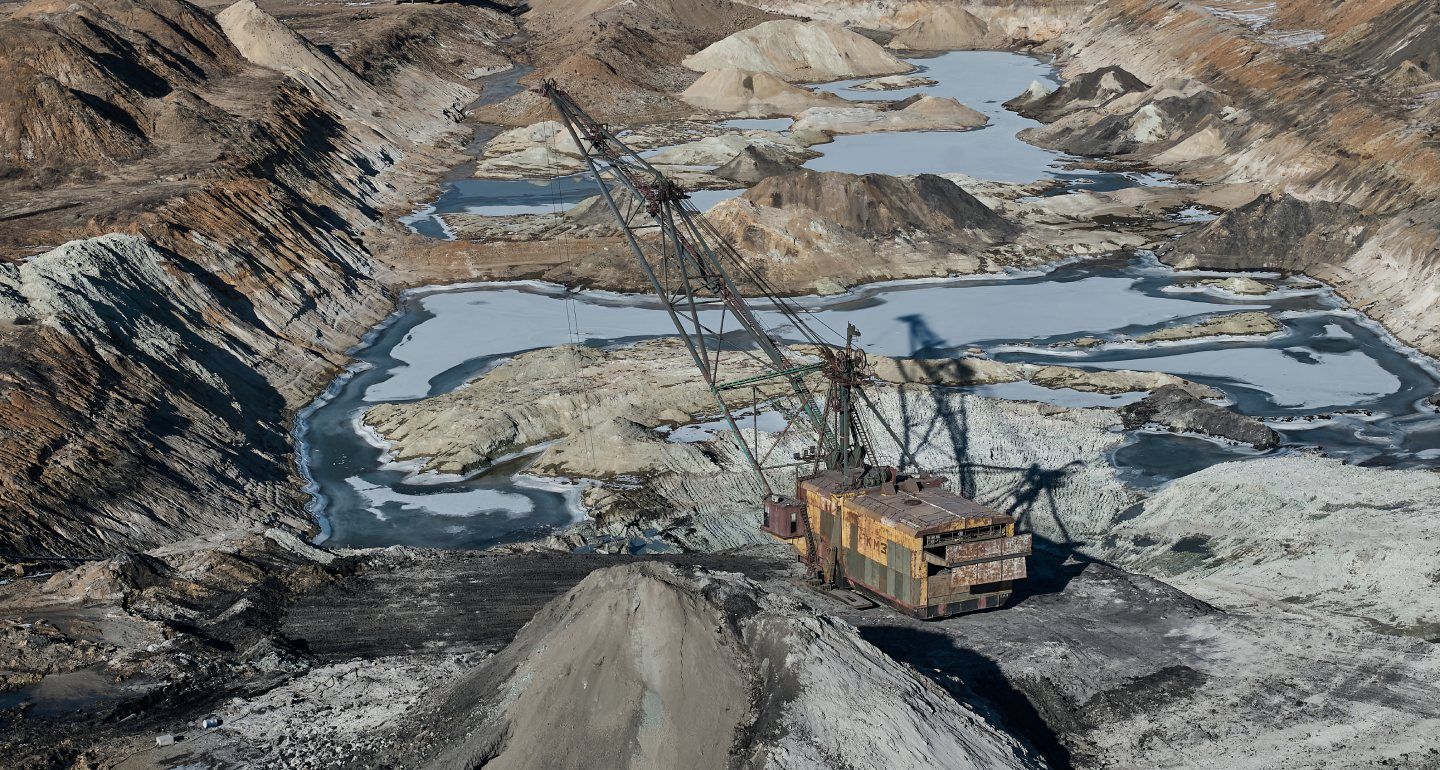
One of the key difficulties in increasing domestic production of rare earths is the intricate and environmentally impactful nature of mining and processing. Rare earth extraction is a process that is technically demanding and often has significant environmental effects, leading to the concentration of the industry in nations with fewer regulations. The U.S. government’s strategy will probably include finding a balance between boosting production and implementing environmental protections, along with community involvement, to make sure new ventures are both sustainable and socially responsible.
In order to aid this initiative, national agencies are anticipated to work together with businesses in the private sector, educational organizations, and state authorities. Collaborations between public and private entities will be crucial in speeding up the creation of rare earth supply chains and encouraging advancements in extraction and processing techniques that may lessen environmental consequences and enhance productivity.
The decision to invest in rare earths is also closely tied to national security considerations. Many advanced defense systems, including missile guidance systems, fighter jets, and communication devices, rely on rare earth elements. Ensuring a reliable domestic supply of these materials is therefore considered vital to maintaining military readiness and technological superiority.
In addition to their use in defense, there is a growing demand for rare earths as the world moves towards clean energy solutions. Components made from rare earth materials are crucial for electric cars, solar installations, and wind energy systems, underscoring their importance in moving toward a low-carbon economy. As nations across the globe increase their investments in green technologies, competition for these materials is anticipated to grow, highlighting the necessity for diverse and reliable supply chains.
The US government’s planned investment comes amid increasing global awareness of the strategic importance of rare earths. Other nations, including Australia, Canada, and members of the European Union, are also exploring ways to strengthen their domestic capabilities and reduce reliance on imports from dominant suppliers. International cooperation may also play a role, as countries with shared interests in supply chain security seek to collaborate on resource development and technology sharing.
Developing a robust rare earth industry in the United States will not happen overnight. The process of identifying viable mineral deposits, obtaining permits, constructing facilities, and building out infrastructure can take years, if not decades. However, government support can accelerate progress by reducing financial risks for companies, providing regulatory clarity, and offering incentives for innovation.
Recycling rare earths from electronic waste and end-of-life products is another area of potential growth. Recovering rare earth elements from discarded electronics, such as old smartphones, laptops, and electric vehicle batteries, offers an environmentally friendly alternative to traditional mining. Research into more efficient and cost-effective recycling processes is ongoing, and government investment could help scale these solutions to meet growing demand.
Furthermore, the initiative may encourage the exploration of alternative materials that can replace or reduce the need for rare earths in certain applications. Advances in material science have the potential to create substitutes that can fulfill similar functions in technology without the same supply chain risks. While such solutions may not entirely eliminate dependence on rare earths, they could help mitigate demand pressures and offer greater flexibility for manufacturers.
The economic impact of expanding rare earth production in the United States could also be significant. New mining operations, processing facilities, and associated industries could create jobs, stimulate regional economies, and enhance the competitiveness of American manufacturing. Ensuring that these economic benefits are distributed equitably, including to communities historically affected by resource extraction, will be an important consideration as the industry grows.
The government’s emphasis on rare earths is a segment of a broader strategy aiming to fortify national supply chains for vital materials on a wider scale. Recent interruptions stemming from the COVID-19 pandemic, geopolitical conflicts, and global supply chain logjams have highlighted the dangers of relying too heavily on external providers for crucial products, such as semiconductors and pharmaceuticals. The approach regarding rare earths is in line with initiatives to enhance robustness in various industries.
Industry leaders have expressed cautious optimism about the government’s plans, noting that while financial support and policy alignment are essential, sustained commitment over the long term will be necessary to build a truly competitive domestic rare earth industry. Transparency, regulatory predictability, and access to capital will be key factors influencing the success of these initiatives.
Environmental activists have also contributed their perspectives, highlighting the necessity for strict supervision and eco-friendly methods in any future mining or processing initiatives. Safeguarding natural habitats, reducing water and air contamination, and involving Indigenous groups and local parties will be crucial to guarantee that the advancement of rare earth does not compromise environmental or social health.
The investment in rare earths is also likely to spur innovation in clean energy and advanced manufacturing. By securing a stable supply of these materials, the United States can accelerate its leadership in electric vehicles, renewable energy, and emerging technologies, positioning itself competitively in the global market.
As these plans move forward, the role of rare earths in shaping the future of technology, defense, and sustainability is becoming increasingly clear. The government’s proactive approach represents a recognition that securing access to critical minerals is not just an economic necessity but a strategic imperative in an interconnected, rapidly evolving world.
In the future, evaluating the success of this investment will depend not only on the amount of rare earths extracted but also on the sector’s capacity to innovate, manage responsibly, and help achieve wider national objectives. Through strategic planning, partnership, and vision, the United States has a chance to establish a strong, competitive, and enduring rare earths industry that bolsters economic growth and international leadership.