




Table of Contents
Ethical fashion represents a dynamic shift within the apparel sector, seeking to confront the social and environmental consequences of clothing manufacture. As awareness of sustainability and collective responsibility continues to rise, ethical fashion has become a key focus for both consumers and companies. Yet what does ethical fashion truly encompass? Let’s delve into the multiple facets that shape this forward‑thinking perspective.
Definition and Core Principles
Ethical fashion encompasses a broad spectrum of practices focused on creating clothing in a manner that is considerate of people and the planet. At its core, ethical fashion champions fair labor practices, environmentally friendly materials, and transparent manufacturing processes. The movement stands against exploitative labor conditions and environmental degradation, advocating for a system that respects both workers’ rights and ecological balance.
Essential Elements of Ethical Fashion
1. Equitable Employment Standards
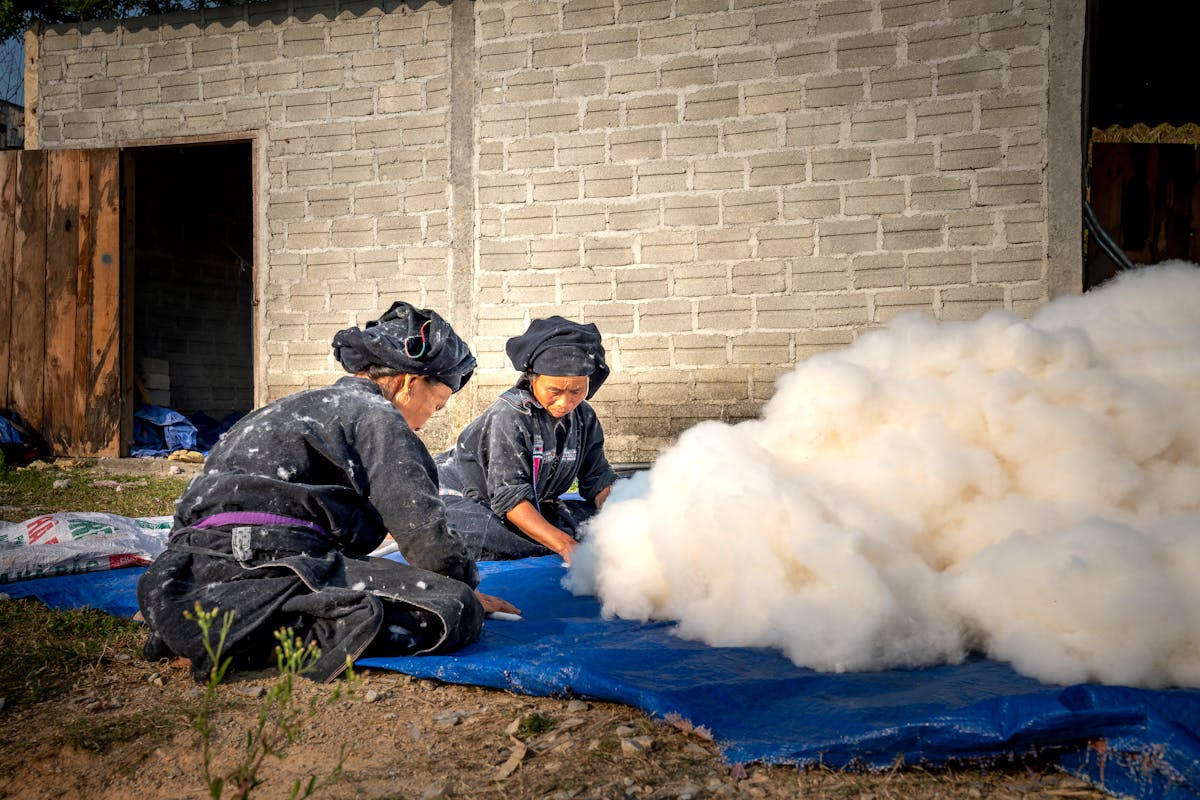
A fundamental pillar of ethical fashion is ensuring fair labor practices. This includes providing safe working conditions, offering fair wages, and respecting workers’ rights. Companies such as Patagonia and Eileen Fisher have set industry benchmarks by operating with transparency and ensuring their supply chains are free from forced labor and child exploitation.
2. Eco-Friendly Materials
Ethical fashion prioritizes the use of sustainable materials. These include organic cotton, Tencel, bamboo, and recycled fabrics, which have a reduced environmental footprint compared to conventional materials. The growing popularity of hemp and recycled polyester is testament to the industry’s shift towards more eco-friendly textile options.
3. Clarity Across the Supply Chain
Transparency stands as a fundamental pillar of ethical fashion, demanding that brands reveal how they manufacture their products and where their materials come from. When supply chains are made transparent, consumers can choose more wisely and ensure that brands remain responsible for their production practices. Companies such as Everlane have earned consumer confidence by publicly detailing cost structures and disclosing sourcing sites.
The Influence and Advantages of Embracing Ethical Fashion
The embrace of ethical fashion practices yields wide-ranging social and environmental advantages, empowering workers through improved labor conditions and fairer wages while also cutting waste and lowering pollution to help curb climate change.
Numerous studies highlight the positive impact of ethical fashion. A 2021 survey by the Global Fashion Agenda found that brands adopting sustainable practices experienced not only heightened consumer loyalty but also improved operational efficiencies. This underscores the commercial viability of ethical fashion, proving that sustainability and profitability can coexist.
Obstacles and Critiques
Despite its laudable goals, ethical fashion faces several challenges. The higher cost of sustainable materials and fair labor can make ethical fashion less accessible to lower-income consumers. Additionally, the industry struggles with greenwashing, where brands falsely claim to be ethical for marketing purposes, misleading consumers and undermining genuine efforts.
The Next Chapter in Ethical Fashion
As consumer awareness continues to rise, demand for ethical fashion is expected to grow steadily. Advances in technologies like blockchain may improve transparency, enabling consumers to confirm a product’s ethical standards from farm to factory. Educational programs and partnerships between brands and non-profits are also likely to expand, helping cultivate a more informed and inclusive fashion landscape.
Ethical fashion embodies a commitment to making meaningful improvements—benefiting the planet, supporting workers, and serving consumers. By confronting the conventional fast‑fashion model and advancing a framework grounded in accountability and openness, ethical fashion marks an essential move toward a fairer and more sustainable future.