




Across the United States, a new generation of Mexican Americans is embracing fashion not just as a personal choice but as a powerful means of cultural affirmation and resistance. By reinterpreting styles rooted in their heritage, these young individuals are reclaiming narratives that have often been misunderstood, misrepresented, or marginalized.
For numerous individuals, apparel has consistently symbolized more than mere textiles—it’s a representation of personal identity woven into each fiber. From the lively hues of customary attire to the modern style of Chicano streetwear, Mexican American young people are developing a visual dialect that mirrors their heritage alongside their contemporary experiences. This trend focuses on individual expression and challenges stereotypes while establishing a noteworthy presence that insists on acknowledgement and respect.
The history of Mexican American fashion is deeply intertwined with struggles for identity, representation, and civil rights. In past decades, cultural markers such as the zoot suit of the 1940s or the Chicano styles of the 1970s served as symbols of resistance, pride, and community solidarity. These styles were not always celebrated; in fact, they were often criminalized or vilified by mainstream society. The infamous Zoot Suit Riots of 1943, for example, highlighted how Mexican American youth were targeted simply for the way they dressed—a powerful reminder of how clothing can become politicized.
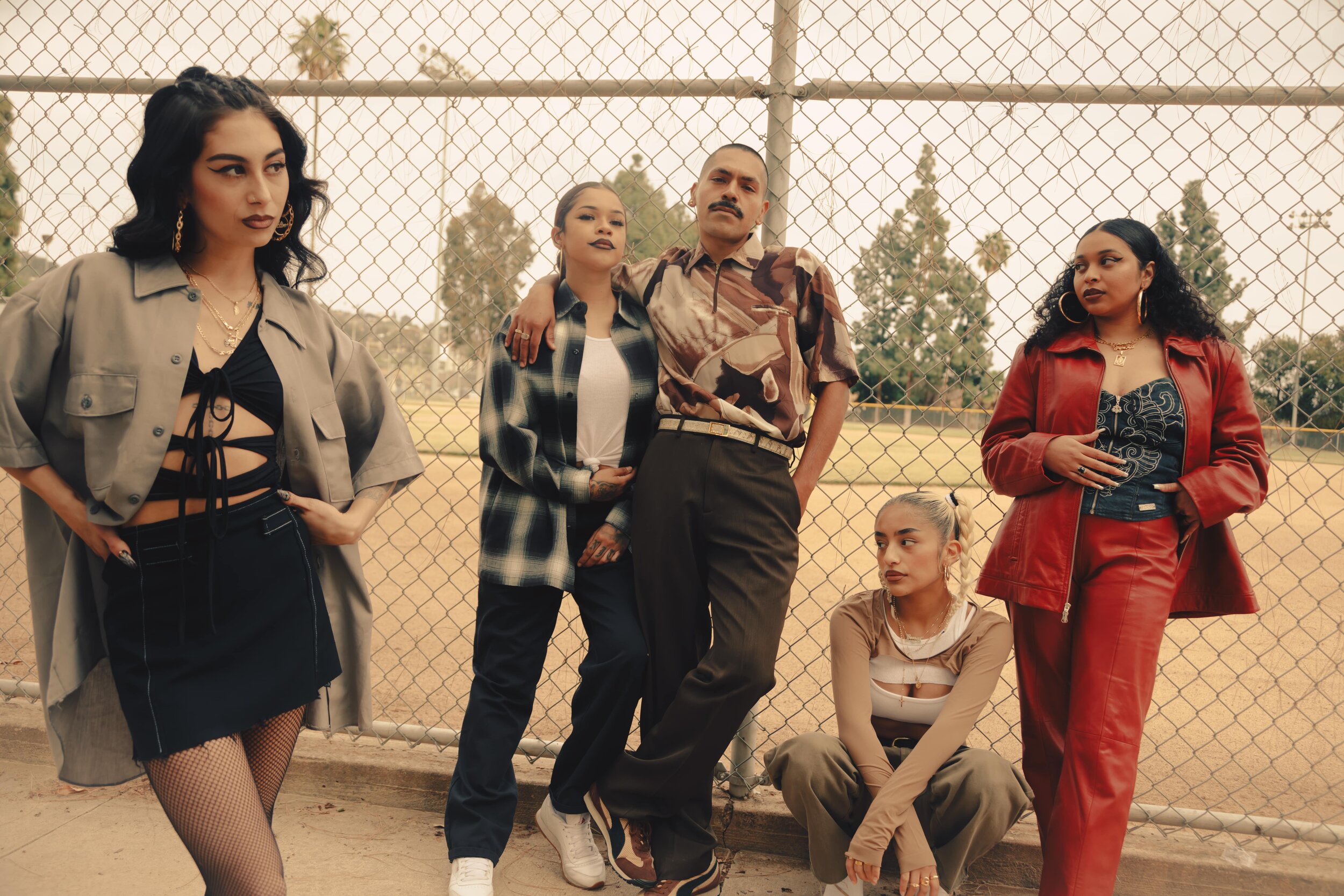
Today, young Mexican Americans are revisiting and reimagining these historical styles, blending traditional influences with contemporary fashion trends. The result is a dynamic and evolving aesthetic that is as diverse as the community itself. Embroidered blouses, lowrider-inspired jackets, bold jewelry, and vintage sneakers coexist in an eclectic mix that reflects the multifaceted nature of Mexican American identity.
The core of this revival in style is the intention to recover cultural symbols that have frequently been misused or misunderstood. For a long time, mainstream culture has incorporated aspects of Chicano and Mexican fashion without recognizing their origins. By deliberately opting to wear these designs and teaching others about their importance, the youth are confronting the neglect of their cultural background.
Social media has played a crucial role in amplifying this movement. Platforms like Instagram, TikTok, and Pinterest have become digital runways where Mexican American creators showcase their style, share the stories behind their looks, and connect with others who share their passion for cultural expression. Hashtags related to Chicano fashion, Latina style, and indigenous design are helping to spread awareness and build a sense of global community.
For many, this fashion revival is also a form of protest against systems that have historically marginalized their voices. In the current social climate—marked by debates over immigration, racial justice, and identity politics—what one wears can send a powerful message. Traditional garments, indigenous patterns, and even the casual streetwear associated with Mexican American neighborhoods are being used to challenge stereotypes and demand recognition.
La moda como resistencia no se centra en la exclusión o el mantener normas estrictas; más bien, se trata de celebrar y elevar las tradiciones culturales mientras se crean nuevos caminos. Muchos jóvenes mexicano-americanos también investigan cómo su herencia se cruza con otras identidades, como el orgullo LGBTQ+, los valores feministas y el activismo ambiental. Esta perspectiva interseccional enriquece el movimiento, haciéndolo más inclusivo y representativo de las diversas experiencias dentro de la comunidad.
Entrepreneurs and fashion creators with Mexican American roots are also becoming more prominent, introducing clothing collections that honor their heritage alongside modern designs. Brands inspired by Chicano culture, indigenous craftsmanship, and the unique style of border towns are meeting a demand for genuine representation. By establishing and endorsing these brands, young buyers contribute to an economy that appreciates cultural authenticity and responsible production.
Furthermore, fashion acts as a doorway to meaningful discussions about history, migration, and social justice. Occasions like fashion shows, art displays, and cultural festivals offer venues where apparel and storytelling meet. These places allow Mexican American youth to not only display their fashion sense but also inform others about the depth of their culture and the ongoing difficulties their communities encounter.
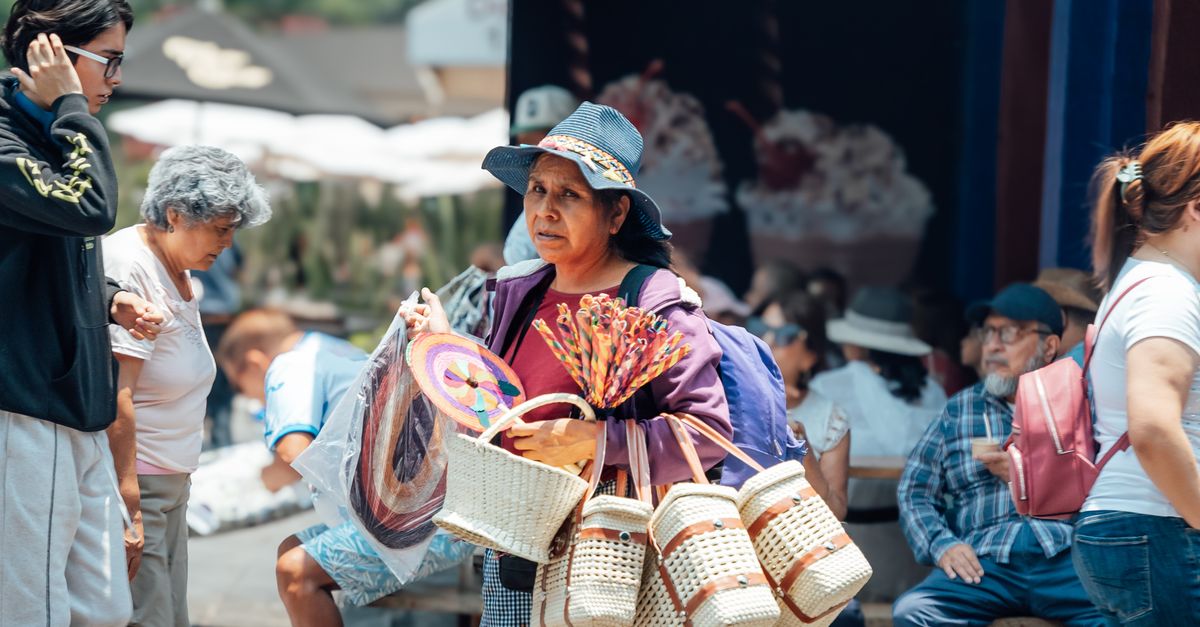
This revival also extends beyond urban centers. In smaller towns and rural areas, young Mexican Americans are embracing traditional attire that connects them to their families and ancestors. Quinceañera dresses, folklorico costumes, and embroidered textiles are being worn with pride in spaces where such expressions were once viewed as out of place. This growing acceptance signals a broader cultural shift toward valuing diversity and authenticity.
Importantly, this movement is not about nostalgia or replication. It is about adaptation and innovation. Young people are taking elements from the past and infusing them with new life, whether through sustainable fashion choices, digital design, or collaborations with artists from other marginalized communities. The result is a living, breathing culture that evolves while staying rooted in heritage.
As this trend progresses, it also introduces significant questions about cultural appropriation in contrast to appreciation. Young Mexican Americans are at the forefront of the discussion on the responsible sharing of cultural symbols, advocating for respect, recognition, and authentic involvement instead of shallow adoption. This conversation is crucial in a time when globalization and mass media can swiftly alter or weaken cultural importance.
The attire selections by young Mexican Americans nowadays are also playing a part in the wider discussion about representation in media and popular culture. In movies, TV shows, and advertising, there is a gradual yet apparent shift towards more genuine and considerate portrayals of Latino and Chicano identities. The prominence of genuine style contributes to this change, indicating to industries that Mexican American culture is not merely a costume but a real-life experience that merits respect.
Moreover, the ecological dimension of the fashion industry has captured the attention of today’s youth. Numerous young Mexican American designers are championing sustainable and ethically-conscious fashion approaches, influenced by indigenous principles that emphasize a balance with nature. Thrifting, repurposing garments, and backing small-scale artisans are becoming more favored options, showing a dedication to preserving culture and taking care of the environment.
In learning environments, the impact of this trend is noticeable as well. Learners are utilizing clothing to showcase their cultural identity and to inform their classmates about Mexican history, customs, and achievements. Educational courses that emphasize Chicano studies, indigenous backgrounds, and diverse art are seeing a resurgence of interest, driven partly by the presence of cultural style both on campus and on the internet.
In the end, the revitalization of Mexican American fashion as a means of defiance and self-expression mirrors a broader push for empowerment and acknowledgment. It’s about taking back space in a society that has frequently tried to erase or pigeonhole these identities. Through clothing, young individuals are sharing their narratives, paying homage to their ancestors, and crafting a future where cultural pride is not only accepted but also embraced.
By doing this, they show us that fashion transcends mere appearance—it serves as a medium for self-expression, defiance, and aspiration. As this lively representation evolves, it provides important insights for everyone regarding the significance of tradition, determination, and the lasting influence of fashion to drive transformation.