

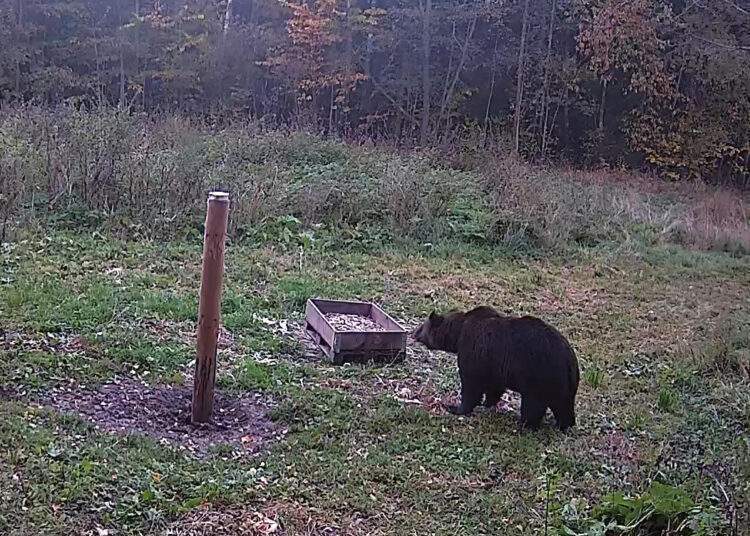
In a surprising turn of events, a group of hunters in Lithuania has declined a government request to cull a wild bear that has made its way into the capital city, Vilnius. This decision has sparked a significant discussion regarding wildlife management, public safety, and the ethical considerations surrounding interactions between humans and urban wildlife.
The bear, which has been spotted roaming the city, raised concerns among residents and officials alike. As the animal ventured into urban areas, the government deemed it necessary to take action to prevent potential conflicts. The request to hunt the bear aimed to ensure the safety of the public, particularly in densely populated areas where encounters with wildlife can lead to dangerous situations.
However, the hunters’ refusal to comply with the government’s request highlights a growing awareness of the complexities involved in wildlife management. Many hunters argue that shooting the bear is not a viable solution and that alternative approaches should be explored. This perspective underscores a shift in attitudes toward wildlife conservation and the importance of finding humane methods to deal with such situations.
The choice not to pursue the bear prompts inquiries concerning the duties of government leaders and the hunting sector. Supporters of conservation highlight the necessity for strategies that enable humans and wildlife to coexist peacefully without resorting to deadly actions. This method can include public awareness campaigns on living harmoniously with wildlife, putting in place precautionary tactics, and looking into relocation solutions for animals that enter city environments.
Furthermore, the situation in Vilnius is not unique. Cities around the world are increasingly facing challenges related to wildlife encroachment. As urban areas expand and natural habitats diminish, encounters between humans and wildlife are becoming more frequent. This trend necessitates proactive and thoughtful approaches to wildlife management, emphasizing the need for collaboration between government authorities, conservationists, and local communities.
In response to the bear’s presence, local officials are exploring various options. These may include monitoring the animal’s movements, creating safe zones, and working with wildlife experts to assess the best course of action. It is essential for authorities to consider the long-term implications of their decisions, ensuring that they align with conservation goals while addressing public safety concerns.
The refusal of hunters to act on the government’s request also raises awareness about the role of hunting in modern society. Traditionally seen as a means of population control, hunting practices are being reevaluated in light of changing societal values and increasing emphasis on conservation. The hunters’ stance reflects a growing recognition that sustainable and ethical wildlife management requires more than just culling populations.
As this situation unfolds, it highlights the intricacies involved in overseeing wildlife in city environments. The equilibrium between human security and the well-being of animals is fragile, and identifying effective solutions will necessitate collaboration and discussion among all parties concerned. The bear in Vilnius has emerged as a representation of the wider issues encountered in urban wildlife management, initiating crucial discussions about living together peacefully and preservation.
In summary, the decision by Lithuanian hunters to ignore the authorities’ appeal to cull a wild bear in Vilnius highlights the complex challenges of managing wildlife in cities. As urban areas expand and natural habitats decline, finding new and compassionate strategies becomes more pressing. This issue not only illustrates the difficulties in maintaining public security but also stresses the need to build a coexistence framework that honors both human and animal requirements. As talks proceed, the resolution will probably impact future wildlife management strategies in Lithuania and elsewhere.