

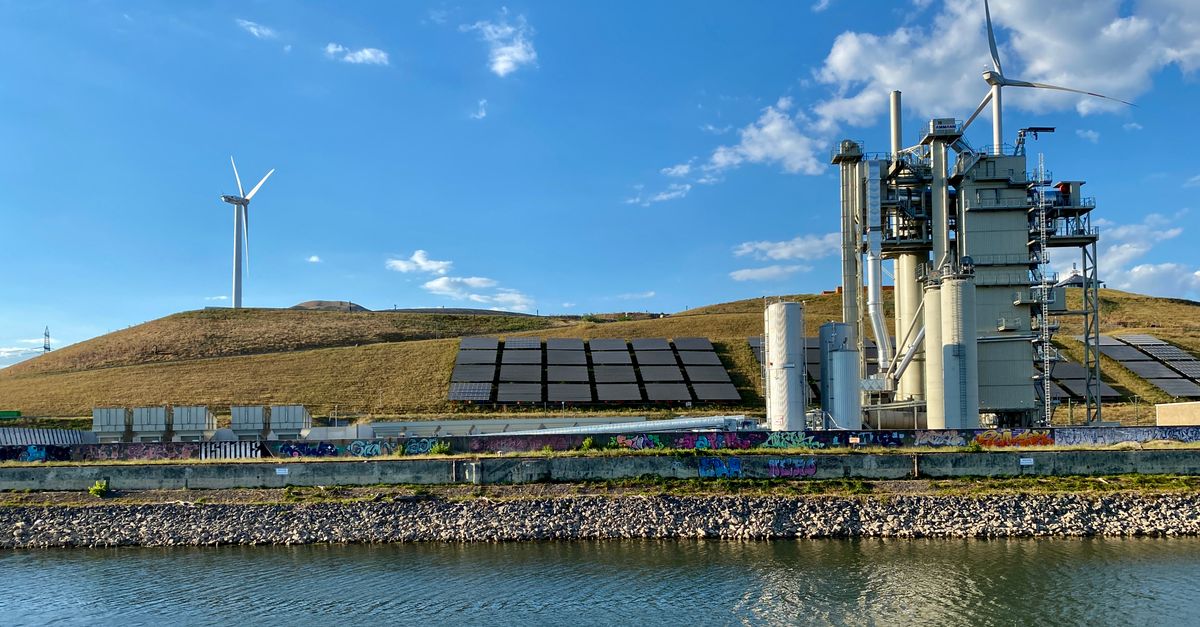
The public discourse equates energy storage with lithium-ion batteries, and for good reason: batteries have enabled rapid advances in grid flexibility, electric vehicles, and distributed energy systems. Yet a comprehensive energy transition requires a broad portfolio of storage technologies. Different storage forms deliver varied durations, scales, costs, environmental footprints, and grid services. Treating storage as a single-technology problem risks technical mismatches, economic inefficiencies, and missed opportunities for resilience.
The key capabilities that storage should offer
Energy storage serves more than one purpose. Systems are evaluated based on:
- Duration: spanning milliseconds to seconds for frequency regulation, minutes to hours for peak shifting, and days up to entire seasons for broader balancing needs.
- Power vs energy capacity: delivering intense short bursts of power or sustaining extended energy output.
- Response speed: ability to react instantly or operate through planned dispatch.
- Round-trip efficiency: the proportion of energy recovered compared with what was originally supplied.
- Scalability and siting: how easily a system can grow and the locations suitable for installation.
- Cost structure: including upfront investment, operational expenses, system lifespan, and component replacement intervals.
- Ancillary services: support such as frequency stabilization, inertia-like response, voltage management, and black start functionality.
Why batteries are vital but limited
Lithium-ion batteries deliver strong high-power output and react quickly, making them ideal for short- to medium-duration energy storage. They have reshaped frequency regulation services, supported behind-the-meter peak reduction, and advanced transport decarbonization. Their costs have fallen sharply, with battery pack prices sliding from well above $1,000/kWh in the early 2010s to around $100–$200/kWh in the early 2020s, spurring extensive adoption.
Limitations include:
- Duration constraint: Li-ion economics favor 2–6 hour services; multi-day or seasonal storage becomes prohibitively expensive.
- Resource and recycling challenges: intensive mining for lithium, cobalt, and nickel raises supply-chain, environmental, and social concerns.
- Thermal and safety management: large installations require complex cooling and fire-suppression systems.
- Degradation: cycling and high depths of discharge reduce lifetime; replacements imply embedded resource costs.
Alternative storage technologies and their ideal applications
Mechanical, thermal, chemical, and electrochemical options broaden the available toolkit, and each one carries its own advantages and limitations.
Pumped hydro energy storage (PHES): This remains the leading technology for utility-scale systems worldwide, frequently noted as providing about 80–90% of the total installed large-capacity storage base. PHES is recognized for delivering multi-hour to multi-day output, minimal operating expenses, and long service lives extending over decades. Illustrative facilities include Bath County Pumped Storage (U.S., ~3,000 MW) and Dinorwig (UK, ~1,700 MW).
Compressed air energy storage (CAES): Uses excess electricity to compress air stored in underground caverns; electricity is generated later by expanding the air through turbines. Traditional CAES requires fuel for reheating (reducing round-trip efficiency), while adiabatic CAES aims to capture and reuse heat for higher efficiency. Best suited for large-scale, long-duration applications where geology permits.
Thermal energy storage (TES): Stores heat or cold rather than electricity. Molten-salt storage paired with concentrated solar power (CSP) provides dispatchable solar output for hours; Solana Generating Station (U.S.) is an example of CSP with several hours of thermal storage. District heating systems use large hot-water tanks for multi-day or seasonal balancing (common in Nordic countries).
Hydrogen and power-to-gas: Excess electricity can produce hydrogen via electrolysis. Hydrogen can be stored seasonally in salt caverns and used in gas turbines, fuel cells, or industrial processes. Round-trip efficiency from electricity to electricity via hydrogen is low (often cited in the 30–40% range for typical pathways), but hydrogen excels at long-term and seasonal storage and decarbonizing hard-to-electrify sectors.
Flow batteries: Redox flow batteries decouple energy capacity from power rating by storing electrolytes in tanks. They can provide long-duration discharge with fewer degradation issues than solid-electrode batteries, making them attractive for multi-hour applications.
Flywheels and supercapacitors: Deliver rapid-response, high-power support over brief intervals, featuring exceptional cycle durability, making them well suited for frequency regulation and mitigating swift output fluctuations.
Gravity-based storage: New concepts elevate heavy solid loads such as concrete blocks or weight modules when excess energy is available, then produce electricity as these masses are lowered through power-generating systems. These solutions strive for long-lasting, affordable storage that does not depend on rare materials.
Thermal mass and building-integrated storage: Buildings and engineered materials can store heat or cold, shifting HVAC loads and reducing peak grid demand. Ice storage for cooling or phase-change materials embedded in building envelopes are practical distributed solutions.
Duration matters: matching technology to need
A central takeaway is that choosing a storage solution hinges on how long it must deliver power and the type of service required:
- Seconds to minutes: For rapid response tasks such as frequency control or brief smoothing, options include supercapacitors, flywheels, and high‑speed battery systems.
- Hours: For daily peak trimming or stabilizing renewable output, lithium‑ion batteries, flow batteries, pumped hydro, and TES for CSP are commonly applied.
- Days to weeks: For enhancing resilience during outages or managing weather‑induced swings, resources like pumped hydro, CAES, hydrogen, and extensive TES installations are used.
- Seasonal: For winter heating needs or extended periods of low renewable generation, hydrogen and power‑to‑gas solutions, large thermal or hydro reservoirs, and underground thermal energy storage become suitable choices.
Economic and market considerations
Market design plays a decisive role in determining which technologies gain traction. Recent developments:
- Faster markets favor batteries: Wholesale and ancillary markets that prize near-instant responsiveness, from fractions of a second to just a few minutes, increasingly incentivize battery installations.
- Capacity markets and long-duration value: In the absence of clear payments for extended-duration capacity or seasonal firming, options such as pumped hydro or hydrogen often find it difficult to compete based solely on energy arbitrage.
- Cost trajectories differ: Battery costs have dropped quickly thanks to manufacturing scale and learning effects, whereas other technologies typically require substantial initial civil works, as in pumped hydro, while benefiting from low operating expenses and long operational lifespans.
- Stacked value streams: Projects that deliver multiple services—frequency support, capacity, congestion mitigation, or transmission deferral—enhance their financial performance. This is evident in hybrid facilities that combine batteries with solar or wind resources.
Environmental and social considerations and their inherent compromises
All storage options have impacts:
- Land and ecosystem effects: Pumped hydro and CAES require particular geologies and can alter waterways or underground environments.
- Materials and recycling: Batteries require metals whose extraction has social and environmental costs; recycling and circular supply chains are improving but require policy support.
- Emissions life-cycle: Hydrogen pathways yield different emissions depending on electrolysis electricity source; “green hydrogen” requires low-carbon electricity to be effective.
- Local acceptance: Large civil projects can face community resistance; distributed thermal solutions or building-integrated storage often encounter fewer siting barriers.
Real-world examples that showcase diversity
- Hornsdale Power Reserve, South Australia: This 150 MW / 193.5 MWh lithium-ion system significantly cut frequency-control expenses and boosted grid stability after 2017, showcasing how batteries deliver swift responses and support market balance.
- Bath County Pumped Storage, USA: Among the largest pumped-hydro plants globally (~3,000 MW), it offers extensive long-duration storage and vital grid inertia, illustrating the exceptional capacity of mechanical storage.
- Solana Generating Station, Arizona: Its concentrated solar power design, paired with molten-salt thermal storage, allows multiple hours of dispatchable solar output after sunset, serving as a clear example of generation integrated with thermal storage.
- Denmark and district heating: Large-scale hot-water reservoirs and seasonal thermal storage help smooth variable wind output while supporting citywide heat decarbonization.
Approaches to integration: hybrid solutions, digital management, and cross-sector coordination
Diversified portfolios and intelligent management lead to stronger results:
- Hybrid plants: Positioning batteries alongside renewable facilities or integrating them with hydrogen electrolyzers enhances asset efficiency and broadens revenue opportunities.
- Sector coupling: Channeling electricity into hydrogen production for industrial or transport use links the power, heat, and mobility sectors while generating adaptable demand for excess renewable output.
- Vehicle-to-grid (V2G): When combined, electric vehicles can function as decentralized storage, supporting grid stability and improving fleet performance.
- Digital orchestration: Advanced forecasting, market-facing algorithms, and real-time dispatch enable multiple assets to layer services and reduce overall system expenses.
Policy, planning, and market design implications
Effective energy transitions call for policies that fully acknowledge the wide-ranging value of storage:
- Give priority to long-duration and seasonal capabilities: Instruments such as capacity remuneration, long-duration tenders, or strategic reserve schemes can stimulate capital allocation toward non-battery storage options.
- Promote recycling and circular practices: Regulatory measures and incentive frameworks for battery recovery and responsible mining help shrink overall environmental impacts.
- Improve siting and permitting processes: Major storage installations benefit from clear, consistent permitting pathways, while proactive community outreach can lessen resistance to civil-scale infrastructure.
- Enhance coordination across sectors: Policies for heat, transport, and industry should be synchronized to maximize storage synergies and prevent fragmented approaches.
How this affects planners and investors
Treat storage as a unified portfolio choice:
- Select technologies based on required service and duration instead of relying on batteries for every application.
- Recognize the long-term value of assets designed to cut system expenses over many decades, not just maximize short-term earnings.
- Create market structures that reward dependability, adaptability, and seasonal balancing alongside rapid response.
- Emphasize circular material use, active community participation, and full lifecycle evaluations when choosing technologies.
Energy storage represents a broad and multifaceted category of resources. While batteries will continue to play a vital role in fast-response needs and behind-the-meter use cases, achieving a robust, low‑carbon energy network relies on a diverse mix that includes pumped hydro, thermal storage, hydrogen and power‑to‑gas systems, flow batteries, mechanical technologies, and building‑integrated solutions. The optimal blend varies according to geography, market structure, policy frameworks, and the technical services demanded. By embracing this range of options, planners and operators can balance cost, sustainability, and resilience while fully tapping into the capabilities of renewable energy systems.