

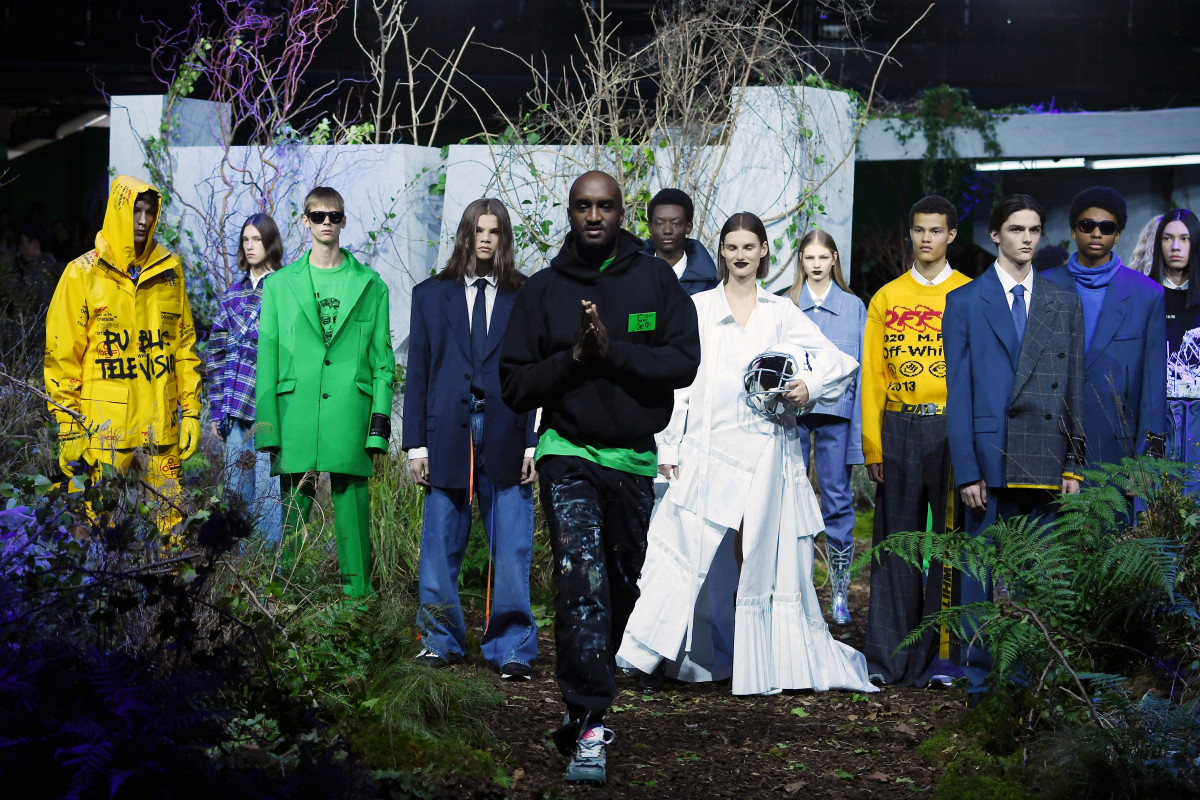
Paris Fashion Week is set to welcome a major retrospective celebrating the life and legacy of Virgil Abloh, one of the most influential designers of the 21st century. Scheduled for September, the exhibition will serve as a thoughtful homage to Abloh’s multidisciplinary impact, offering an in-depth look at his groundbreaking work in fashion, art, music, and culture.
This upcoming showcase arrives at a poignant moment for the global fashion industry, which continues to reflect on Abloh’s immense contributions following his passing in 2021. Known for redefining the boundaries of streetwear and luxury, Abloh’s creative vision reshaped the role of designers in the contemporary landscape, opening doors for a new generation of talent and voices from underrepresented communities.
Coordinated with significant members of Abloh’s professional network, the exhibition will align with the prominent runway events of Paris Fashion Week, capturing global interest from fashion professionals and the general public alike. The occasion pledges a diverse showcase, including archival items, personal drawings, video presentations, and interactive exhibits that illustrate the extensive impact of Abloh.
The setting for the exhibition is fitting. Paris played a central role in Abloh’s rise to global prominence, particularly during his tenure as artistic director of Louis Vuitton’s menswear division. His debut collection for the French fashion house in 2018 was a cultural milestone, not just for its design innovation, but for what it represented—an African American creative at the helm of one of the world’s most iconic luxury brands. That moment reverberated far beyond the runway and cemented Abloh’s status as a cultural force.
Beyond his work at Louis Vuitton, Abloh was best known as the founder of Off-White, the fashion label he launched in 2012. Off-White blurred the lines between street fashion and high-end design, bringing conceptual references, bold typography, and industrial aesthetics into the mainstream. Abloh’s work with the brand redefined how fashion could engage with youth culture, art, and social commentary, setting the tone for much of the decade’s visual language.
The upcoming Paris exhibition will likely explore the evolution of Off-White as both a brand and a platform. Abloh often described his work as “sampling,” borrowing from architecture, music, and everyday life to construct new visual narratives. The retrospective is expected to honor this ethos by juxtaposing his garments with creative inspirations drawn from across disciplines—highlighting how his fashion designs were always in conversation with a broader cultural ecosystem.
A central theme of the exhibition will focus on Abloh’s function as a unifier. Beyond his design work, he took on roles as a collaborator, curator, and guide. Beginning with his initial collaborations with Kanye West, and extending to his later partnerships with companies such as Nike, IKEA, and Evian, Abloh engaged with a diverse array of sectors. Every partnership demonstrated his talent for converting complex concepts into relatable designs, positioning him as a link connecting various audiences and creative domains.
The exhibition is also expected to address Abloh’s ongoing impact on diversity and representation in the fashion world. As one of the few Black designers to lead a major European fashion house, he used his platform to challenge traditional power structures and advocate for inclusivity. Whether through casting choices, scholarship initiatives, or public discourse, Abloh remained committed to making space for others, particularly young creatives of color who saw themselves reflected in his journey.
In curating this retrospective, organizers aim to present not just a timeline of Abloh’s work, but an immersive experience that mirrors the dynamism of his creative process. Visitors can anticipate a space that breaks away from traditional museum structures—echoing Abloh’s own rejection of conventional formats. Instead, the exhibition is designed to feel alive, engaging, and evolving, much like the designer’s own philosophy of “the unfinished.”
The choice to present the exhibition during Paris Fashion Week is intentional. Being one of the key gatherings in the worldwide fashion calendar, Fashion Week offers a significant platform to assess the industry’s progress and its potential future directions. Abloh’s participation in past Paris events was consistently awaited and respected, and this September, his absence will be as noticeable as the celebration of his legacy.
Critics and cultural commentators alike are expected to attend the exhibition, many of whom have previously written about Abloh’s boundary-pushing approach. His designs often challenged the hierarchy of fashion, blurring distinctions between streetwear and couture, originality and homage, minimalism and maximalism. In doing so, he expanded the vocabulary of fashion and encouraged audiences to rethink what luxury could mean in a globalized, digitized world.
As the event gets ready to welcome visitors, anticipation is rising not only in Paris but internationally. Conversations on social media have already started, with admirers and creatives exchanging memories, forecasts, and honors. To numerous people, this look back means more than retrospective—it offers an opportunity to revisit a moment in culture that seemed revolutionary, comprehend the ideas behind the artworks, and continue to ponder the queries Abloh frequently asked: What purpose does fashion serve? Who benefits from it? And how can it be utilized to create social change?
The moment of this homage also highlights how swiftly Abloh’s concepts were embraced and disseminated. In under ten years, he transitioned from being a novice in the fashion industry to a pivotal personality whose impact reached into design education, sneaker culture, and the worldwide art community. His heritage encompasses more than just clothing and partnerships, embodying a spirit of innovation and inclusiveness that still inspires budding designers.
As September approaches, the fashion industry will undoubtedly turn its attention to this landmark exhibition. But more than just a moment of remembrance, the event promises to be a call to action—a reminder of what’s possible when creativity is fearless, inclusive, and unafraid to disrupt.
Through this display, Paris Fashion Week will not only honor the legacy of Virgil Abloh but also reinforce his status as a key cultural figure of his era. Although his career was cut short, the impact of his work remains: creativity knows no limits, and happiness—particularly the defiant type—can be a strong catalyst for transformation.