

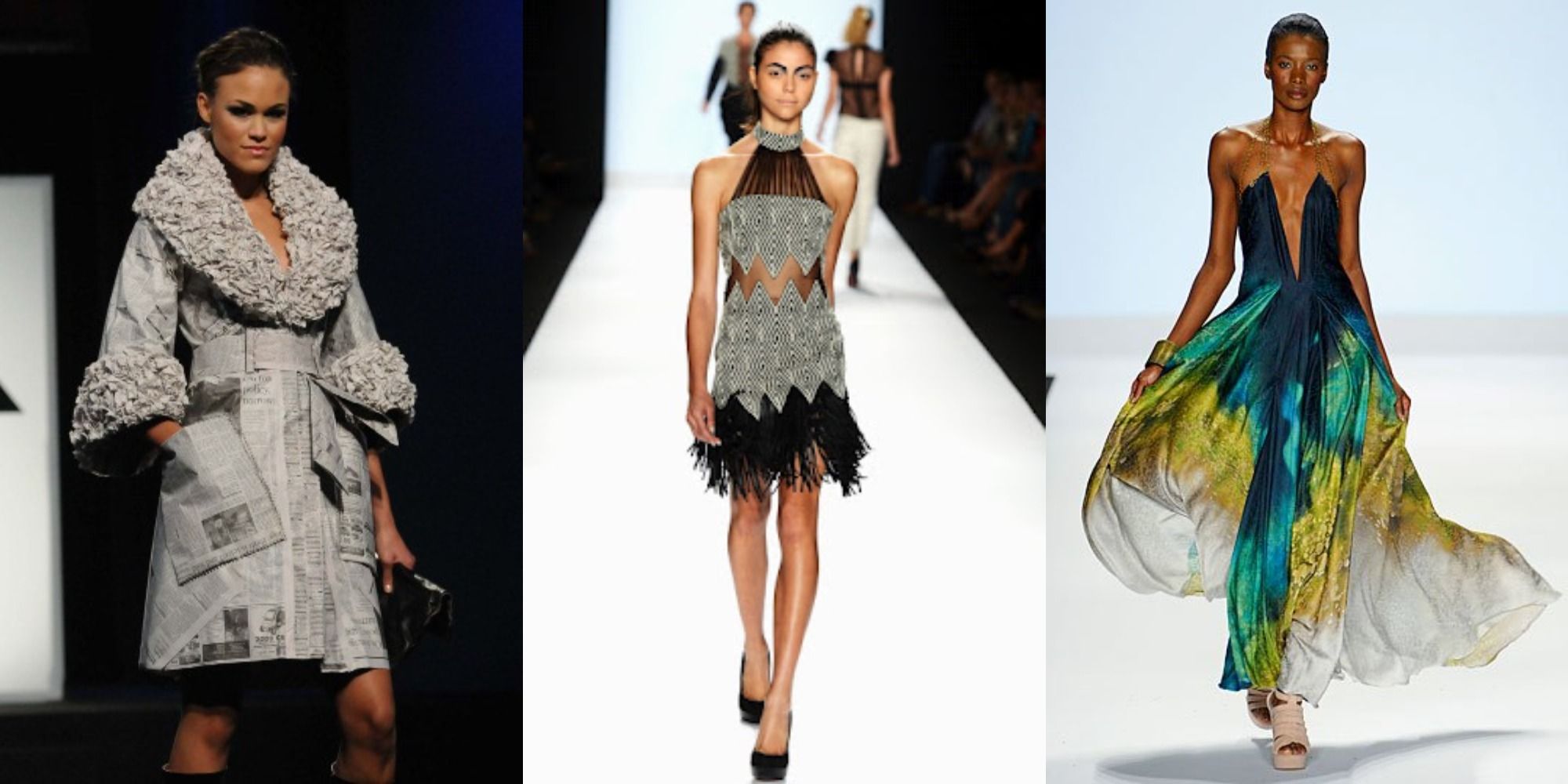
The iconic fashion competition series makes its anticipated return to television screens, bringing with it familiar challenges and high-stakes creative tests for aspiring designers. As the show prepares to launch its newest season, industry observers are questioning whether the revived format can produce the next generation of influential fashion voices in an increasingly crowded reality television landscape.
Project Runway initially transformed fashion television by providing the audience with a genuine insight into the artistic process of designing apparel. The initial seasons of the program propelled several prominent careers, with former winners and participants eventually creating thriving brands, styling celebrities, and participating in major fashion events. Nonetheless, the modern media landscape introduces fresh hurdles in identifying standout talent, as numerous online platforms now provide different routes for emerging designers to gain acknowledgment.
This season’s format retains the core elements that made the show successful – timed challenges, unconventional materials tests, and brutal judging panels – while incorporating updates to reflect changes in the fashion industry. Viewers can expect to see more emphasis on sustainable design practices, inclusive sizing considerations, and digital presentation skills that have become essential in the post-pandemic fashion world. The producers have also promised a more diverse group of contestants, representing a broader range of backgrounds and design perspectives than earlier seasons.
The fashion industry has experienced notable changes since the prime of Project Runway. Social media sites such as Instagram and TikTok have opened up fashion exposure, enabling undiscovered designers to gain followers without relying on conventional intermediaries. Concurrently, the hurdles to starting a fashion brand have significantly decreased, with the availability of direct-to-consumer services and digital design tools simplifying the process of launching a clothing line. These developments prompt reflection on whether a TV contest can still offer the career-launching platform it used to be.
Assessing the upcoming season are both seasoned personalities and new viewpoints. The long-standing host and producer continue their involvement, ensuring consistency for dedicated audiences, while the judging panel includes significant personalities from various areas of the fashion industry. This combination of experienced industry leaders and modern voices seeks to connect established fashion norms with today’s more dispersed style environment.
The challenges facing contestants have been updated to reflect current industry demands. In addition to classic tests like creating a garment from unconventional materials, designers will tackle real-world problems facing today’s fashion businesses, including creating size-inclusive collections, designing for virtual fashion shows, and developing sustainable production solutions. These practical elements aim to give contestants skills that translate directly to the modern fashion landscape.
For viewers, the show offers both entertainment and education about the realities of fashion design. Behind-the-scenes segments delve deeper into technical aspects like pattern-making and fabric selection than typical fashion programming. The production also highlights the business side of fashion, showing contestants navigating budgets, timelines, and client expectations – valuable insights for aspiring designers watching at home.
The timing of the show’s return coincides with renewed interest in fashion as self-expression following years of pandemic-induced casualwear dominance. As consumers return to offices and social events, many are rethinking their personal style, creating potential opportunities for fresh design voices to emerge. A successful contestant from this season could capitalize on this moment of sartorial reinvention.
However, the path from reality TV contestant to established designer remains challenging. Past Project Runway winners have faced varying degrees of success, with some building lasting brands while others struggled to transition from competition darling to viable business. The new season’s producers claim to have implemented more robust post-show support systems, including mentorship programs and business development resources, to help successful contestants navigate these hurdles.
The fashion media will be watching closely to see if this iteration can produce designers who make meaningful impacts on the industry. In an era when viral moments often translate to commercial success more reliably than traditional design credentials, the show faces pressure to demonstrate that its model of talent discovery remains relevant. A breakout star from this season could validate the continued importance of structured design training and traditional skill development in an increasingly democratized fashion world.
For aspiring designers, the show still represents a rare opportunity to showcase talent to industry insiders and mass audiences simultaneously. The exposure alone can jumpstart careers, even for contestants who don’t win the competition. Past participants have leveraged their appearances into collaborations, licensing deals, and editorial features that might otherwise have taken years to secure.
Mientras la moda continúa desarrollándose para abordar temas de sostenibilidad, representación y transformación digital, el regreso de Project Runway se presenta en un momento crucial. La capacidad del programa para destacar a diseñadores que pueden responder a estas preocupaciones mientras crean trabajos comercialmente viables y estéticamente atractivos puede decidir si puede recuperar su antigua influencia. Las próximas semanas mostrarán si esta temporada genera otra serie de personalidades memorables o, más importante aún, la próxima verdadera estrella de la moda capaz de influir en cómo nos vestiremos en los próximos años.
The revived Project Runway faces the same challenge as the designers it features: how to honor its heritage while innovating for today’s audience. Its success will depend on finding that balance – maintaining the drama and creative tension that made it must-watch television while adapting to a fashion industry that looks very different than when the show first premiered. Viewers tuning in will discover whether this new chapter can once again make reality television a powerful force in discovering fashion’s future leaders.