

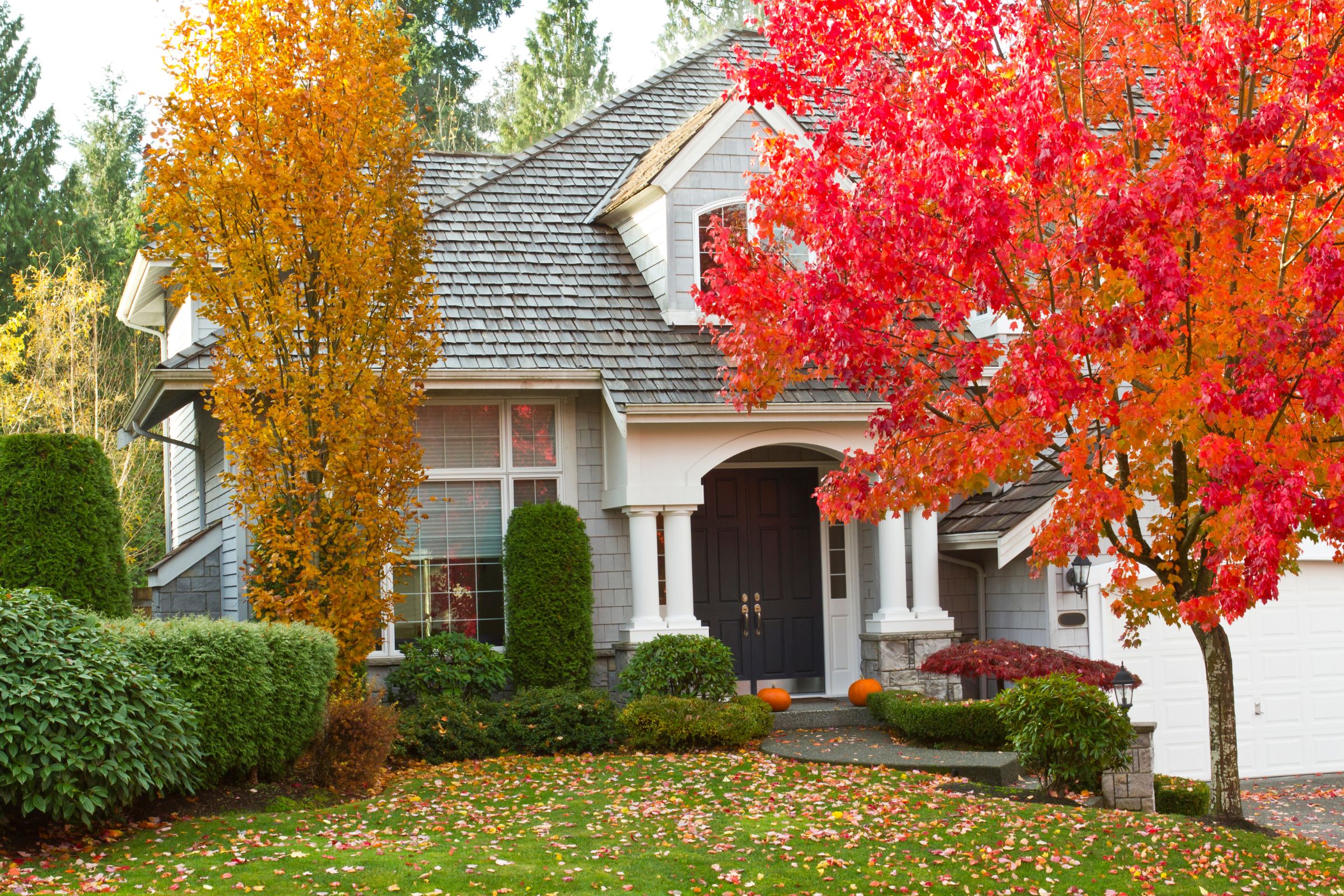
Imagine a home that subtly transforms its exterior hues as the seasons shift—warming up with richer tones in the winter and cooling down to paler shades in the summer. This futuristic vision might soon become a reality thanks to advancements in climate-responsive materials, particularly a new kind of paint engineered to react to changes in temperature.
Este concepto innovador de pintura trasciende los pigmentos que cambian de color de manera tradicional. A diferencia de las pinturas novedosas que reaccionan momentáneamente al calor o la luz solar con fines decorativos, los recubrimientos adaptativos al clima se están desarrollando pensando en la funcionalidad. El objetivo es ajustarse de manera pasiva a las condiciones del entorno de formas que puedan disminuir el consumo energético, mejorar el atractivo visual y fomentar un estilo de vida sostenible.
At the heart of the technology is a material science breakthrough. Researchers are exploring thermochromic compounds—substances that change color when exposed to specific temperatures—and integrating them into durable, weather-resistant coatings. These materials have long been used in products like mood rings or novelty mugs, but adapting them for architecture requires greater stability, resistance to fading, and consistent performance over time.
The potential impact of climate-responsive paint goes beyond aesthetics. In hot climates, lighter colors reflect sunlight and help keep buildings cool, reducing the need for air conditioning. Conversely, darker tones absorb more heat, which can be advantageous in colder seasons. A building surface that adjusts its shade automatically based on the surrounding temperature could play a passive yet powerful role in moderating indoor temperatures and lowering energy demand.
This method is in line with a larger tendency in architecture and urban planning: creating natural solutions to ecological obstacles. Advancements like intelligent glass that darkens under sunlight or rooftops that bounce back infrared rays are part of this movement, aiming to decrease dependence on mechanical systems by using advanced materials.
In practical terms, creators of these coatings are concentrating on ensuring they are resilient enough to endure the weather without losing their ability to respond. The coating needs to withstand breakdown from ultraviolet light, harm from moisture, and changes in temperature, all while preserving its adaptable characteristics for an extended period. Technicians are also investigating how to adjust the color range to align with seasonal tastes or particular regional requirements.
Another key advantage of climate-responsive paint lies in its potential to retrofit existing buildings. Unlike structural renovations or installations of solar panels, applying a new type of paint is relatively straightforward and cost-effective. If proven scalable and commercially viable, such coatings could offer an accessible sustainability upgrade for homes, schools, offices, and public buildings.
Beyond energy efficiency, adaptive paint can also serve an expressive or cultural function. Color has deep psychological and symbolic resonance, and buildings that shift with the environment might reflect the rhythms of nature or evoke a stronger connection to place. For example, a structure that brightens with spring’s arrival and darkens in autumn might mirror the natural world more closely, enhancing the lived experience of its occupants.
Of course, there are challenges to overcome. Manufacturing thermochromic paints at scale with consistent quality remains complex. Ensuring long-term stability in varying weather conditions, especially in regions with extreme climates, is another hurdle. There’s also the question of safety—some compounds used in early thermochromic materials were not ideal for long-term human exposure or environmental contact, so modern versions must meet rigorous health and ecological standards.
En inglés, el interés en este campo está aumentando. Arquitectos, científicos de materiales y diseñadores ambientales están trabajando juntos para acercar esta tecnología a la realidad. A medida que el cambio climático se intensifica y la demanda de soluciones energéticamente eficientes se acelera, las innovaciones como la pintura que responde al clima están cobrando impulso.
Este avance tecnológico también podría integrarse con sistemas de viviendas inteligentes. Imagina un futuro en el que el exterior de una casa se acomode no solo a la temperatura exterior, sino también a la información de sensores internos, modificando su reflectividad o tono según las necesidades de calefacción, la ocupación o incluso la hora del día. Tal integración representaría un cambio hacia una arquitectura dinámica que interactúa activamente con su entorno.
Even artistic expression could find a new canvas in responsive paint. Building facades might one day display fluid patterns that evolve throughout the day, responding to weather, temperature, or human activity. This could open new frontiers for urban art, creating spaces that are both beautiful and intelligent.
In the meantime, researchers continue to test prototypes and push the limits of what’s possible. Though widespread application may still be years away, the promise of a climate-conscious, visually responsive exterior coating is increasingly realistic.
Whether applied to echo the warmth of summer, provide warmth during the winter, or just integrate structures more closely with nature’s rhythms, this paint signifies more than merely a fresh hue on the surface. It indicates a shift in our perspective on buildings—not as unchanging entities, but as dynamic contributors to an ever-evolving environment.