

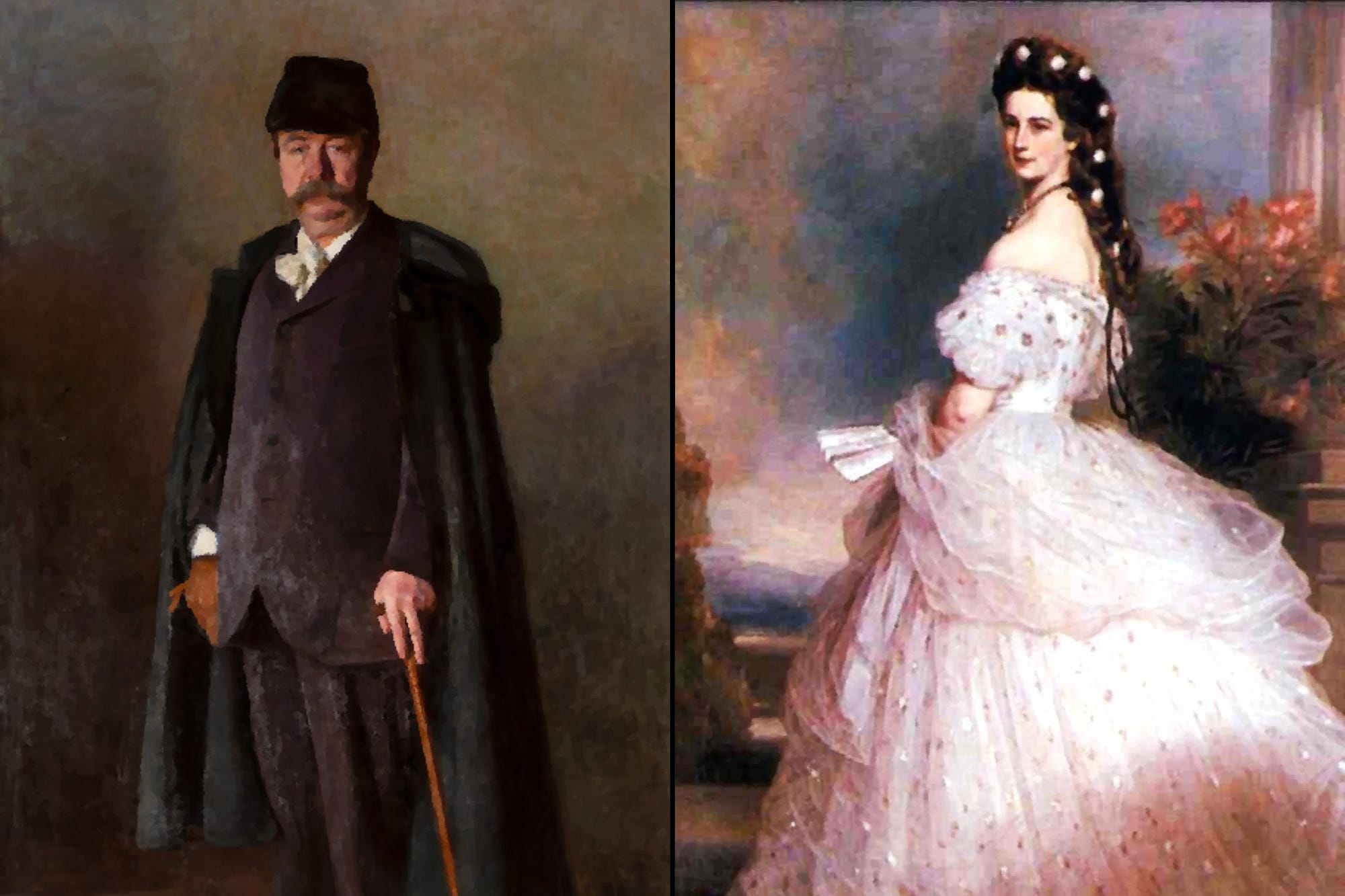
Before social media transformed the fashion world, before magazine covers and runway shows became the gold standard of style, there was a woman whose presence and taste quietly shaped how society viewed clothing and femininity. Marie Vernet, often overlooked in history, played a pivotal role in laying the foundation for what would eventually evolve into the modern concept of the fashion influencer.
Living in 19th-century France, Vernet became a central figure in an industry that was just beginning to understand the power of visual influence. While the term “influencer” wouldn’t be coined for centuries, her impact was unmistakable. Through the clothes she wore and the way she embodied elegance, she shifted public perception of fashion from a necessity to a cultural expression. Her role wasn’t about promotion in the commercial sense—it was about presence, taste, and subtle persuasion.
Vernet’s significance arose not just from her looks but from the distinctive situation in which she appeared. She had a close association with Charles Frederick Worth, a British couturier recognized as the pioneer of haute couture. Their relationship encompassed both personal and occupational ties—he was her spouse, and she represented his revolutionary designs. During an era when fashion was transitioning from the unnamed work of seamstresses to recognized artistry, Worth’s concept of a designer-centric house necessitated a public persona who could personify his works. Vernet fulfilled that role.
Contrary to the models of subsequent decades, Marie Vernet did not strut down catwalks or appear in the spreads of shiny publications. Rather, she operated as a live display, presenting Worth’s creations at Parisian salons and exclusive events. Her contribution was crucial in animating his garments—when she donned a gown, it became coveted not just for its artistry but for the manner in which she embodied it. Customers yearned not merely for the material and tailoring; they desired the sophistication Vernet radiated. Thus, she established an initial model of aspirational fashion.
The context in which she rose to prominence is important. The 1800s were a period of profound transformation in Europe—politically, socially, and culturally. The Industrial Revolution was reshaping cities, technology was altering communication and production, and social hierarchies were shifting. Amid these changes, fashion became a tool of identity, and designers like Worth capitalized on the emerging appetite for distinction through dress. Vernet, with her refined taste and natural poise, became the medium through which these ideas were communicated.
Her impact also highlighted a novel connection between women and fashion. Before, attire was often determined by royal regulations or local traditions, but Vernet assisted in shifting fashion towards a more personal and expressive realm. By donning custom-made outfits and being linked with the designer himself, she represented a fresh kind of woman—someone who was both an inspiration and a trendsetter.
In many ways, Marie Vernet’s role marked a turning point in fashion history. She blurred the lines between model and influencer long before either term existed in their modern sense. Her presence contributed to the rise of fashion as performance—where the act of wearing was as significant as the garment itself. She wasn’t just a mannequin for Worth’s designs; she was a collaborator, shaping how the public received and understood the concept of couture.
It’s worth noting that this transformation occurred in a world without photography or social media. Influence was spread not through pixels or hashtags but through reputation, word of mouth, and exclusive gatherings. Vernet’s influence traveled across the drawing rooms of Paris, from one aristocratic circle to another. Her image wasn’t mass-reproduced, but it was vividly remembered and spoken of—a testament to the power of presence in an analog world.
Today, as the term “influencer” often evokes images of sponsored posts and carefully curated content, Vernet’s story reminds us of a more foundational form of influence: one rooted in authenticity, embodiment, and cultural timing. She didn’t set out to promote a brand. She became the brand by simply wearing the vision of her husband and doing so with grace and quiet authority.
Vernet’s legacy can be seen in how fashion houses operate today. Modern luxury brands continue to rely on individuals who personify their aesthetic—whether celebrities, models, or digital creators. The concept of a muse remains central, even as platforms and technologies evolve. In this lineage, Vernet stands as an origin point, a historical figure who shaped the future without needing to claim the spotlight.
Her story also invites reflection on the evolving role of women in fashion. From passive recipients of trends to active participants in setting them, the journey has been long and complex. Vernet, by stepping into a new kind of public role—one that merged style, visibility, and subtle power—helped initiate that shift. She offered a model of influence rooted not in self-promotion but in collaboration and embodiment.
While her name may not appear alongside today’s influencers or style icons, her contribution to the shaping of modern fashion is undeniable. Marie Vernet helped define how clothing could be seen, appreciated, and desired—not just as fabric, but as an extension of personality and identity.
In understanding her role, we also gain insight into how the fashion world began to understand the value of the individual in driving cultural trends. Before billboards, before catwalks and viral campaigns, there was Marie Vernet: quietly stylish, historically pivotal, and undeniably influential.