




Table of Contents
Understanding Textile Recycling
Textile recycling refers to the process of reprocessing old clothing and other textiles for reuse or material recovery. This sustainable practice aims to reduce the environmental impact of textile waste while promoting economic and social benefits by transforming discarded materials into new products.
The Significance of Fabric Reuse
With the fashion industry being one of the largest contributors to pollution, textile recycling offers a viable solution to decrease landfill waste and conserve resources. The Environmental Protection Agency (EPA) reports that approximately 11.3 million tons of textiles are sent to landfills annually in the United States alone. By recycling textiles, we can significantly reduce the amount of waste, lower greenhouse gas emissions, and conserve water and energy used in the production of new materials.
Ways of Reusing Textiles
Numerous techniques are employed in the recycling of textiles, each one customized for particular fabrics and intended results:
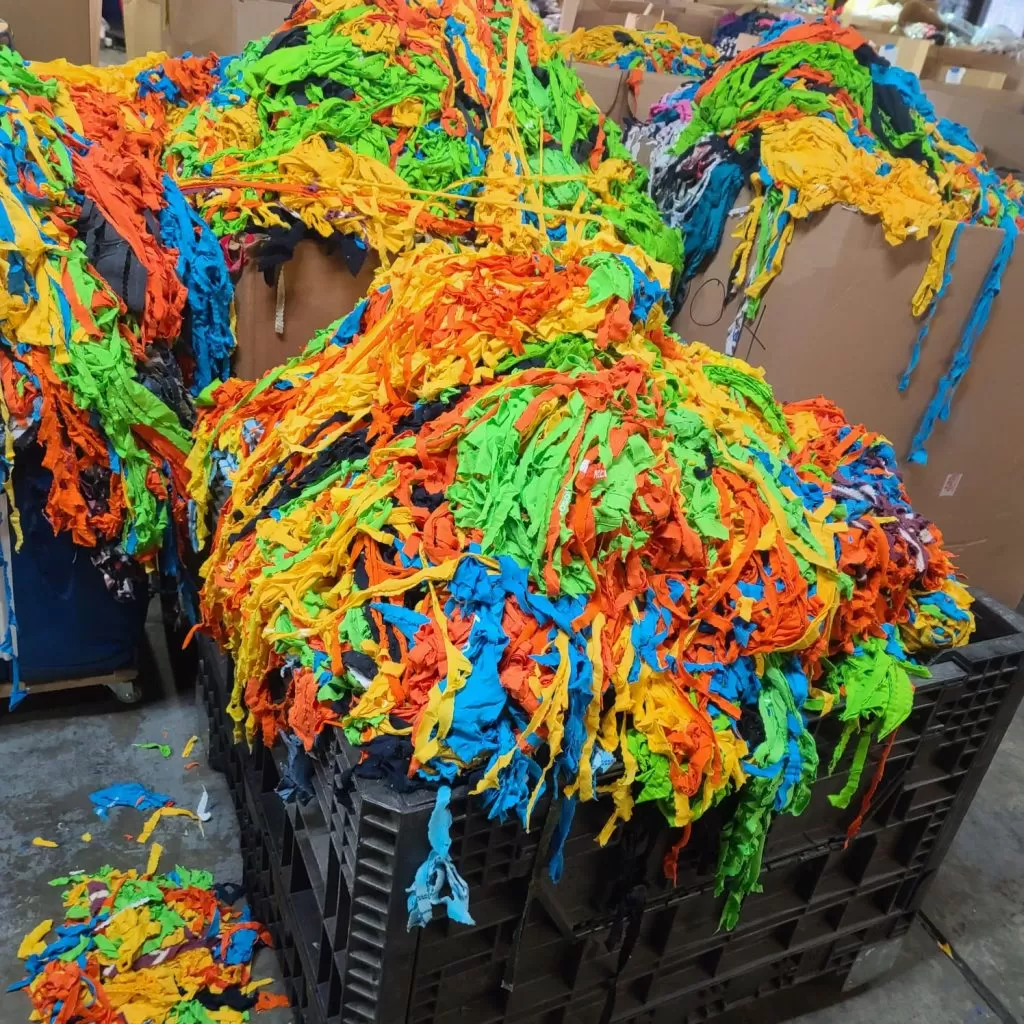
Mechanical Recycling: This method includes cutting fabric into fibers, which are then able to be spun into new yarn. Although efficient for materials such as cotton, this approach can reduce the strength of the fibers, restricting their application in fresh products.
Chemical Recycling: More advanced than mechanical methods, chemical recycling breaks down textiles at the molecular level, allowing them to be reconstituted into high-quality fibers. This process can manage complex blends and synthetics, such as polyester.
Thermal Recycling: Also known as “energy recovery,” this method involves burning textiles to generate energy. While it helps manage waste, it is the least preferred method due to its environmental impact, as it still contributes to CO2 emissions.
Challenges in Textile Recycling
Despite its benefits, textile recycling faces several challenges:
Combined Textiles: Several clothing items are crafted from mixed fabrics, which makes their separation and recycling challenging. This requires improvements in sorting methods and more research into innovative recycling strategies.
Economic Viability: The cost of collecting, sorting, and processing recycled textiles can often exceed the value of the end product, making it less attractive for businesses without sufficient incentives or subsidies.
Consumer Participation: Public awareness and participation in textile recycling programs remain low. Effective education and convenient recycling options are crucial for increasing participation rates.
Case Studies: Successful Textile Recycling Initiatives
Several international efforts showcase the promise of fabric repurposing:
H&M’s Clothing Collection Initiative: Introduced in 2013, this initiative motivates consumers to drop off unwanted garments at H&M locations globally. The gathered pieces are categorized for potential reuse, repurposing, or recycling, showcasing an effective loop economy approach.
Patagonia’s Worn Wear Program: This effort prolongs the lifespan of their outdoor apparel by fixing and reselling previously owned goods. It minimizes waste and promotes a sustainability mindset among shoppers.
The Future of Cloth Reprocessing
As understanding increases and technology progresses, the recycling of textiles is set to become essential for reaching sustainable objectives. Organizations are putting more resources into cutting-edge recycling techniques and supplies, like bioengineered fibers, which hold great potential for the future. Cooperation among governments, enterprises, and individuals will be crucial in converting the textile sector into one that is more sustainable and circular. By reassessing our methods of producing, using, and discarding textiles, we can greatly reduce the harmful effects on our environment while promoting economic advancement and societal welfare.