





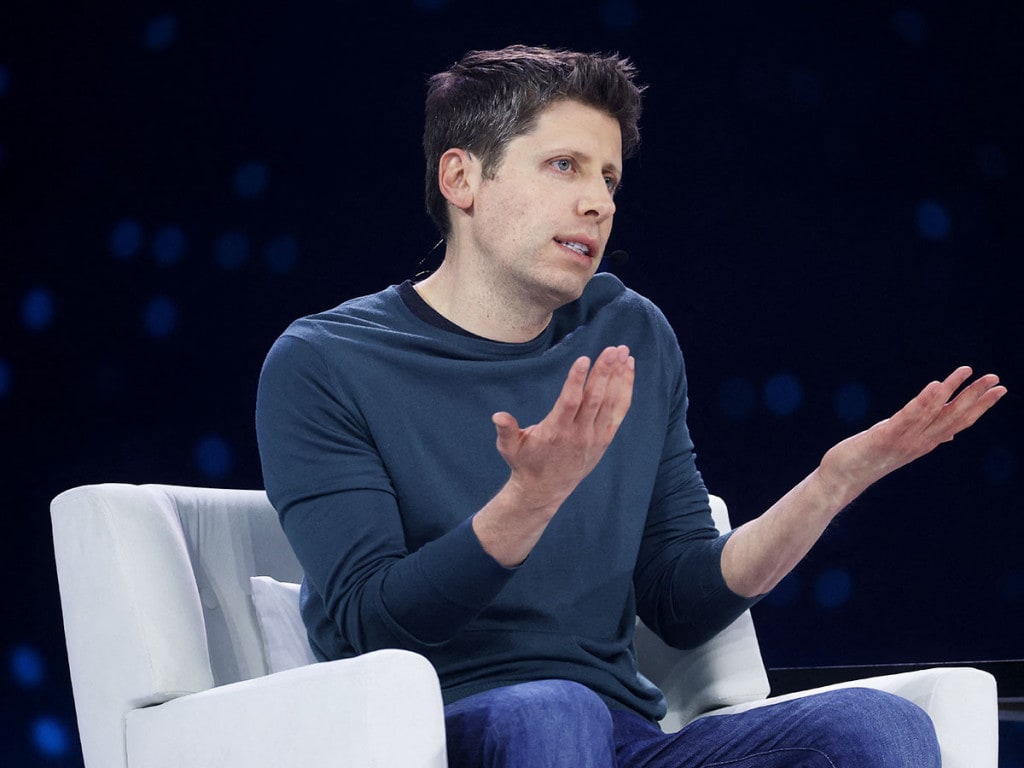
In a recent statement, Sam Altman, the CEO of OpenAI, revealed that Meta, the tech giant formerly known as Facebook, is reportedly attempting to attract talent from his organization with a substantial financial offer. According to Altman, Meta is prepared to invest as much as $100 million to entice OpenAI employees to join their ranks. This revelation has sparked discussions about the competitive landscape of the technology sector, especially in the artificial intelligence domain, where skilled professionals are in high demand.
The announcement emphasizes the assertive tactics organizations are using to attract elite professionals in a fast-changing sector. The race for skilled employees has heightened as businesses aim to innovate and preserve their competitive advantage. Altman’s comments highlight the continuous struggle for talent, where monetary incentives are crucial in hiring strategies.
OpenAI, known for its groundbreaking work in artificial intelligence, has cultivated a reputation for attracting some of the brightest minds in the field. The organization’s commitment to advancing technology responsibly has resonated with many professionals who prioritize ethical considerations in their work. However, the allure of a lucrative offer from a company like Meta could present a challenging dilemma for some employees.
As companies vie for talent, the implications extend beyond individual career choices. The movement of skilled professionals can significantly influence the direction of technological advancements. If a substantial number of employees from OpenAI were to transition to Meta, it could reshape the competitive landscape and impact ongoing projects and initiatives within the AI community.
Altman’s comments also reflect broader trends in the tech industry, where companies are increasingly willing to invest heavily in human capital. The willingness to allocate substantial budgets for recruitment demonstrates the high stakes involved in securing expertise that can lead to innovative breakthroughs. This trend raises questions about the sustainability of such financial offers and their long-term impact on both companies and employees.
The situation also reflects the growing importance of workplace culture and mission alignment in attracting and retaining talent. While financial incentives are undoubtedly appealing, many professionals are motivated by factors such as company values, vision, and the opportunity to contribute to meaningful projects. As organizations continue to navigate this competitive landscape, fostering a positive workplace environment may play a crucial role in retaining top talent.
In the wake of Altman’s revelation, industry observers will be closely watching how this situation unfolds. Will OpenAI be able to retain its talent in the face of such enticing offers? Or will some employees be swayed by the prospect of joining a different organization with potentially different goals and resources? These questions underscore the dynamic nature of the tech industry, where the pursuit of talent often leads to unexpected developments.
In summary, Altman’s claim regarding Meta’s $100 million proposal to lure OpenAI staff underscores the intense rivalry in the technology industry. As businesses aim to recruit the top talent in artificial intelligence, the consequences for both innovation and market trends are profound. In the end, the relationship between monetary rewards, company culture, and personal goals will influence how talent acquisition progresses in this swiftly changing domain.