





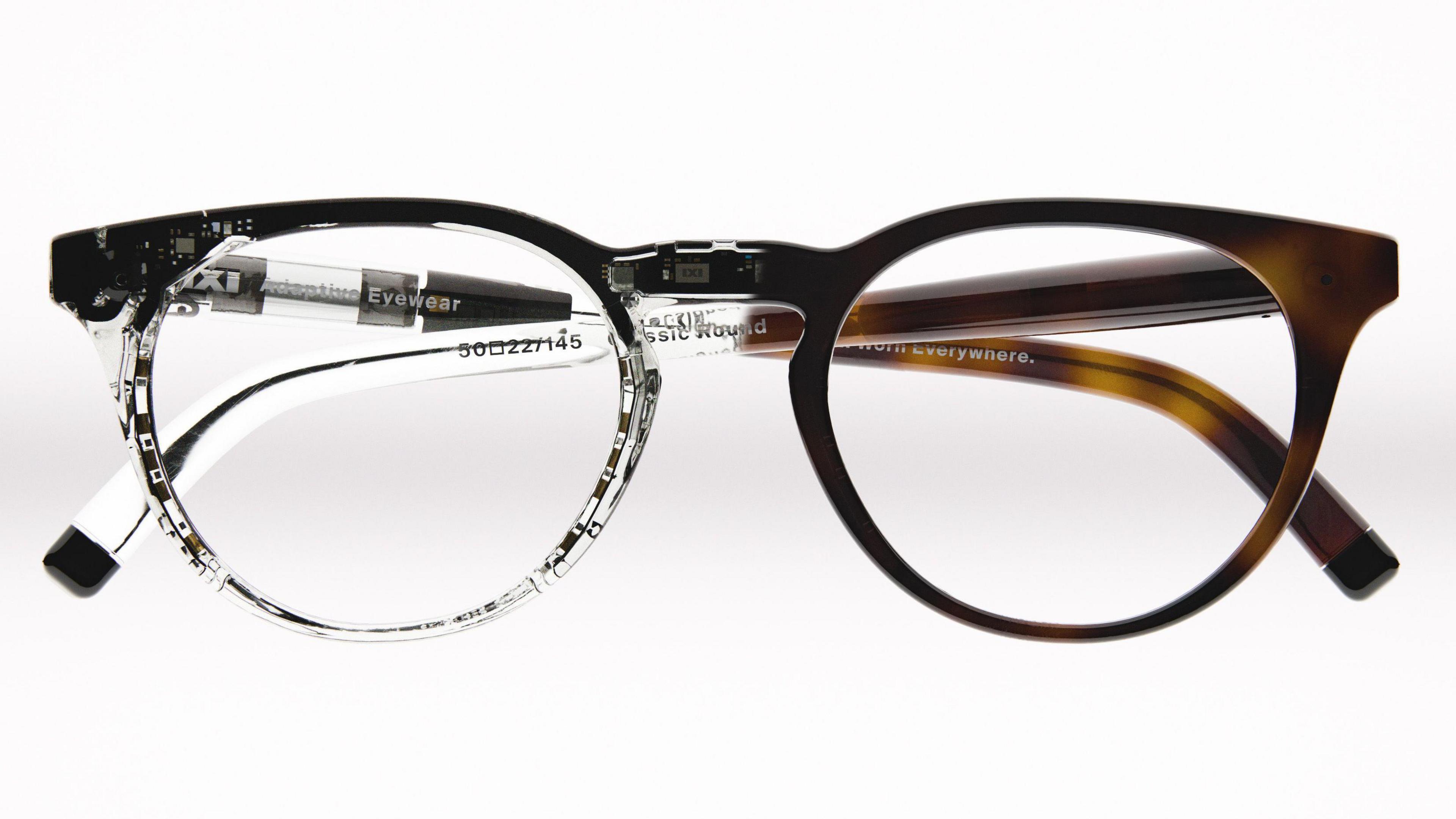
Advancements in optical technology are transforming the way people see the world, with new developments promising a future where glasses can automatically adjust focus, providing sharp vision at varying distances without the need for multiple pairs or bifocal lenses. These next-generation eyeglasses, often referred to as “autofocus” or “adaptive focus” glasses, are capturing attention for their potential to revolutionize how individuals manage vision challenges such as presbyopia and other age-related sight conditions.
Presbyopia is a widespread vision problem that usually starts impacting people past the age of 40, leading to a reduced capacity of the eyes to focus on nearby items because of the stiffening of the eye’s natural lens. In the past, those experiencing presbyopia have turned to reading glasses, bifocals, or progressive lenses to address this loss of adaptability. Nonetheless, these options frequently involve trade-offs. Bifocals and progressives necessitate that wearers alter their head position to view clearly through various sections of the lens, and alternating between several pairs of glasses can be awkward and impractical.
A new generation of auto-focus eyewear is set to tackle these obstacles through advanced technology that modifies the lens focus dynamically. Rather than having fixed lens configurations, these cutting-edge glasses incorporate sensors, fluid lenses, and intelligent algorithms to consistently respond to the user’s visual requirements, whether it’s perusing a novel, viewing a mobile device, or observing a distant object.
At the heart of this technology lies the idea of adjustable lenses. In contrast to conventional static lenses, these variable lenses are capable of altering their optical power to focus on objects located at various distances instantaneously. Certain models employ liquid crystal substances or fluid-filled chambers that alter shape with the application of an electric current. Other designs utilize mechanical systems or electro-optic techniques to produce comparable outcomes. The eyewear determines the user’s gaze direction and the distance to the object, subsequently modifying the lens as needed.
One notable advantage of autofocus glasses is the seamless visual experience they provide. Wearers no longer need to tilt their heads or strain their eyes to find the “sweet spot” of their glasses. Whether switching from near to far or vice versa, the adjustment is smooth, automatic, and nearly imperceptible. This creates a more natural and comfortable visual experience that closely mimics how the human eye is designed to function.
For people who have intricate vision requirements, like having multiple prescriptions or dealing with astigmatism, the promise of autofocus technology is especially enticing. It provides the chance to combine various vision aids into one set of spectacles capable of addressing different daily needs, thus diminishing the reliance on separate reading glasses, computer glasses, or distance vision lenses.
The development of these high-tech eyeglasses is being driven by a combination of consumer demand and advances in materials science, miniaturization, and wearable technology. Startups and established eyewear brands alike are exploring various approaches to bring adaptive focus eyewear to market. Some prototypes have already entered limited production, with early adopters testing the capabilities and providing valuable feedback.
A significant technical obstacle encountered by this advancement is the energy source. Generally, many autofocus eyewear models need a compact battery to run the sensors and mechanisms for adjusting the lenses. It is crucial that these parts are energy-saving, light, and discreet for the wearer’s comfort and prolonged usability. Furthermore, developers are striving to design the glasses in a way that they are visually appealing, allowing users to enjoy both style and practicality.
Price is another aspect that could affect the uptake of autofocus glasses. Similar to numerous new technologies, the first iterations of these intelligent glasses are expected to feature a high price, making them unattainable for certain buyers. Nevertheless, as the technology evolves and production increases, prices are anticipated to drop, rendering them more available to a wider audience.
Health and safety factors play a crucial role in the development process. Eye care specialists are thoroughly assessing the potential long-term impacts of using self-adjusting glasses, making sure they do not lead to visual discomfort, eye fatigue, or other unforeseen outcomes. Regulatory approvals and clinical trials might be necessary before these glasses are broadly accessible in the consumer market.
Beyond personal use, the potential applications of adaptive focus eyewear extend to various industries and professions. Surgeons, pilots, engineers, and individuals in precision manufacturing could all benefit from glasses that adapt to different focal lengths instantly, enhancing productivity and reducing errors. Similarly, people with visual impairments that complicate traditional lens use may find new independence through these advanced devices.
The integration of artificial intelligence (AI) and machine learning is another exciting frontier in the development of autofocus glasses. By learning from a user’s behavior, preferences, and habitual activities, AI algorithms could anticipate visual needs more accurately over time, offering an even more seamless experience. For example, glasses might automatically adjust to reading mode when the user picks up a book, then switch to distance mode when walking outdoors, all without manual intervention.
The potential for connectivity with smartphones and other digital devices also opens up new possibilities. Some designs envision integrating voice assistants, notification displays, or augmented reality features into adaptive eyewear, creating multifunctional devices that blend vision correction with smart technology. This convergence of optical and digital innovation reflects broader trends in wearable tech, where convenience and functionality are increasingly intertwined.
Consumer feedback will play a vital role in shaping the future of autofocus glasses. Early users are likely to influence design improvements, software refinements, and feature priorities. As with any new technology, usability, comfort, and reliability will determine how quickly these glasses move from niche product to mainstream solution.
Public perception and education are equally important. Many individuals may be unfamiliar with the idea of glasses that can automatically change focus, and effective communication about the benefits, limitations, and safe usage of this technology will be essential. Optometrists and ophthalmologists will need to become familiar with the products in order to recommend them appropriately and provide guidance on their use.
In the context of an aging global population, the market for vision correction solutions is substantial and growing. Presbyopia alone affects hundreds of millions of people worldwide, and as life expectancy increases, the demand for comfortable, versatile, and effective eyewear is likely to rise. Autofocus glasses have the potential to meet this demand in a way that current static lenses cannot.
Looking ahead, continued investment in research and development will be necessary to refine autofocus technology, reduce costs, and expand its availability. Collaboration between technology firms, optical specialists, and healthcare providers will help accelerate progress and ensure that the resulting products meet the highest standards of performance and safety.
Although it is still the initial phase for glasses with autofocus, the trajectory is evident: the evolution of vision correction is leaning towards being more intelligent, adaptive, and tailored. As these innovations progress from design to manufacturing, they have the potential to significantly transform how individuals perceive and engage with their surroundings, providing increased liberty, adaptability, and eye comfort to countless people worldwide.