

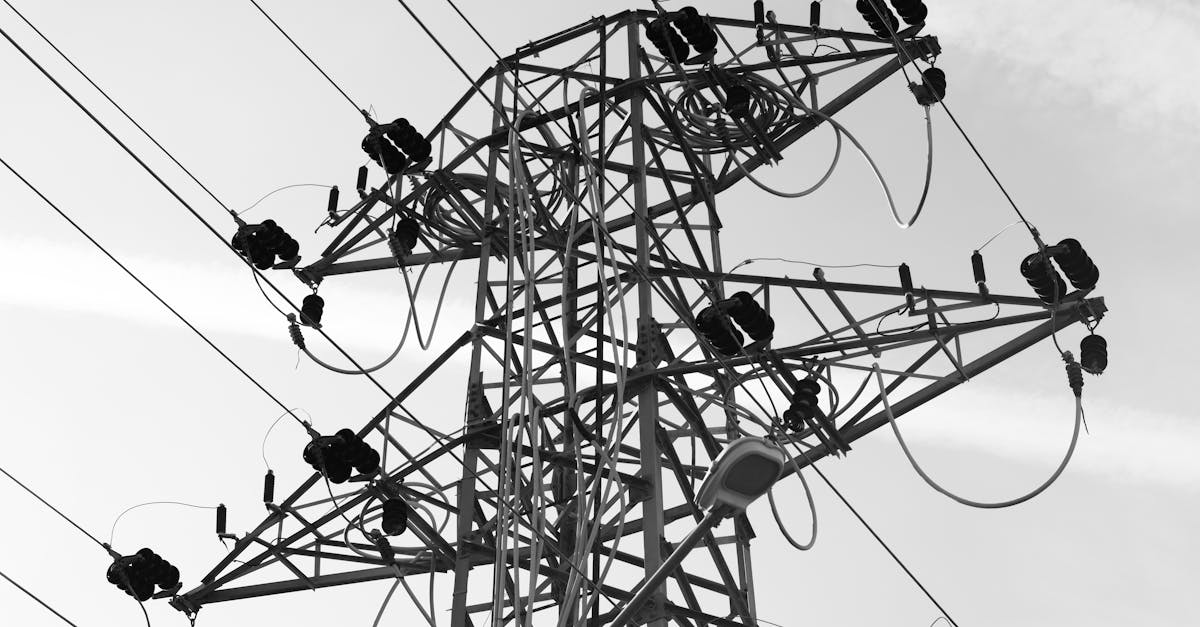
Energy extends far beyond fuel and electricity, serving as the foundation for industry, transportation, household well-being, and military strength. Because of this central role, it becomes a particularly powerful instrument in international affairs. Governments, corporations, and nonstate actors leverage supply, pricing, infrastructure, regulation, and technological oversight to pursue strategic objectives. This behavior endures due to four persistent factors: the uneven global distribution of resources, the long lifespan of infrastructure and contractual arrangements, the rapid economic strain caused by supply disruptions, and the wide-ranging ripple effects on alliances and domestic political dynamics.
Core mechanisms of energy geopolitics
- Supply manipulation: producers may restrict or reroute exports to engineer shortages or penalize partners, doing so openly through quotas and output choices or discreetly via procedural holdups, transit interference, and acts of sabotage.
- Price influence: leading producers often align to shift prices up or down, while both buyers and sellers can sway markets by tapping strategic reserves or suspending export flows.
- Infrastructure control: pipelines, terminals, ports, and power grids function as strategic choke points, and those managing these corridors and facilities can pressure states reliant on transit routes.
- Regulatory and financial tools: sanctions, export rules, investment vetting, and targeted financing redirect energy movements without resorting to force.
- Technological and supply-chain leverage: dominance in refining capacity, specialized equipment, or essential minerals for batteries and solar panels extends dependence far beyond traditional hydrocarbons.
- Cyber and kinetic disruption: strikes against grids, pipelines, or terminals can swiftly halt supplies and deliver significant political leverage.
Historical and contemporary cases
- 1973 oil embargo: Arab producers imposed an embargo that dramatically raised oil prices and reshaped Western foreign policy for decades, demonstrating how resource restraint can achieve political aims.
- Russia–Ukraine gas disputes (2006, 2009, 2014–2022): repeated interruptions in gas deliveries and pricing disputes illustrated transit-state vulnerability and prompted Europe to diversify supplies and invest in storage and LNG capacity. Prior to 2022, Russia supplied roughly 40% of the European Union’s pipeline gas needs; sudden reductions in 2021–2022 triggered emergency measures across Europe.
- OPEC and OPEC+ coordination: production quotas and decisions by Saudi Arabia and, since 2016, coordinated action with Russia (OPEC+) have been used to support prices or respond to market shocks. The 2020 Saudi–Russia price war briefly crashed prices, then coordinated cuts stabilized markets.
- Sanctions on Iran and Venezuela: U.S. sanctions curtailed oil exports from both countries, tightening global markets and showing how financial measures alter energy availability and actor behavior without direct military action.
- Colonial Pipeline ransomware (2021) and Ukrainian grid cyberattacks (2015–2016): cyber incidents revealed that nonkinetic attacks on energy systems can cause large economic and political effects, from retail fuel shortages to civilian hardship.
- Power of Siberia and broader Russia–China energy deals: long-term gas and oil contracts demonstrate how energy agreements forge geopolitical alignments and create long-term interdependence and influence.
- Supply-chain leverage for green technologies: China’s dominance in solar panel manufacturing and much of the battery-material and processing chain creates leverage in a decarbonizing world; export restrictions or production shifts can ripple through global clean-energy rollouts.
Why these tools remain effective
- Essentiality and immediacy: energy shortfalls trigger swift, tangible economic strain—from rising heating expenses to slowed manufacturing or disrupted transport—turning them into potent warnings and tools of pressure.
- Asymmetric dependencies: exporting and transit states frequently vary in how readily they can substitute partners, allowing even minor interruptions to generate significant consequences for importing nations.
- Long investment horizons: infrastructure such as pipelines, refineries, and power stations binds stakeholders into partnerships that can span decades, and these entrenched commitments yield political influence.
- Market complexity: mechanisms like spot trading, multi‑year contracts, financial hedges, and strategic reserves supply numerous points of control, enabling actors to shape prices, pursue legal action, or impose financial costs.
- Domestic political leverage: leaders may deploy energy policy to bolster internal unity or attribute price increases to outside forces, extracting domestic advantage from external pressure.
Ways energy weaponization is carried out
- Direct export cuts or embargoes: halting deliveries, imposing transit charges, or rerouting cargo toward favored political partners.
- Production management: OPEC+ output limits or strategic production choices by major state-owned firms that shape global pricing.
- Legal and financial measures: sanctions aimed at tankers, insurance providers, banking entities, or investment pathways to restrict a nation’s capacity to sell energy abroad.
- Infrastructure operations: slowing clearance procedures, postponing pipeline upkeep, or employing port oversight to disrupt outbound shipments.
- Cyberattacks and sabotage: striking control networks, pump facilities, or loading terminals to disrupt flows or heighten safety risks.
- Technological denial: export limits on advanced machinery, software, or key minerals that underpin energy generation or clean-energy development.
Consequences for international relations and markets
- Acceleration of diversification: importers respond by diversifying suppliers, expanding LNG terminals, building storage, and signing long-term contracts with alternative suppliers.
- Strategic stockpiling: countries increase strategic petroleum reserves or require minimum gas storage levels to blunt shocks.
- Geopolitical realignments: energy deals can cement alliances or drive balancing behavior; suppliers cultivate political loyalty through cheap finance or infrastructure projects.
- Market volatility and inflation: geopolitical energy shocks feed into consumer prices and economic uncertainty, influencing monetary policy and election outcomes.
- Investment in resilience: accelerated investments in renewables, grid modernization, hydrogen, and energy efficiency reduce long-term vulnerability—but introduce new dependencies (for example, on battery minerals).
Emerging trends set to redefine the future of energy geopolitics
- Liquefied natural gas (LNG) growth: LNG increases flexibility for buyers and weakens pipeline monopolies, but port and regasification infrastructure become new strategic assets.
- Decarbonization and mineral geopolitics: a shift toward renewables and electric vehicles moves geopolitical competition toward lithium, nickel, cobalt, and rare-earth elements and the countries that process them.
- Digitalization and cyber risk: greater grid connectivity raises efficiency but also vulnerability to cyber coercion and sabotage.
- Industrial policy and onshoring: subsidies, tariffs, and public investment in domestic clean-energy manufacturing are used to reduce dependence and exert leverage in global supply chains.
- Blurring of commercial and strategic actors: state-owned enterprises, national champions, and development banks are used explicitly as instruments of foreign policy in energy projects.
Policy responses and practical mitigations
- Diversification of suppliers and routes: drawing on varied sources, employing interconnectors, and enabling reverse-flow systems diminishes reliance on any single counterpart.
- Strategic reserves and demand management: well-timed reserve releases and focused efficiency actions help cushion sudden disruptions.
- Investment in redundancy and resilience: strengthening grids, enhancing cyber protections, and building backup infrastructure limit the impact of potential assaults.
- International cooperation and rules: jointly upheld standards for transit security, market openness, and coordinated crisis management narrow opportunities for coercive use.
- Industrial policy for critical supplies: reinforcing mineral supply chains, expanding recycling, and advancing alternative chemistries curb the emergence of fresh dependencies in the clean-energy transition.
Energy will continue to be used as a geopolitical tool because it sits at the intersection of strategic necessity, uneven geography, and long-term infrastructure commitments. Transition dynamics—more LNG, renewables, batteries, and digitized grids—will redistribute leverage rather than eliminate it, shifting competition toward minerals, manufacturing capacity, cyber resilience, and financing. Managing the political risks of energy requires not only market and technical fixes but coordinated diplomacy, investment in resilience, and policy choices that recognize energy’s persistent role as both a source of power and a target of leverage.