

The Battle for Political Control in a Divided Country
The Battle for Political Control: The year 2025 finds Bolivia in a polarized political landscape, marked by tensions between the ruling MAS party, a fragmented yet aggressive opposition, and the rise of new social movements demanding structural change. With general elections on the horizon and an economy struggling to stabilize, the balance of power shifts daily.
1. MAS and the Shadow of Evo Morales
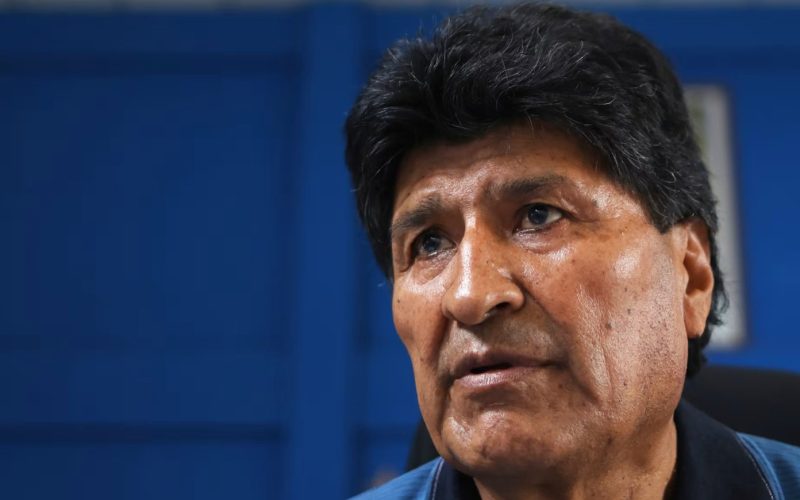
The Movement for Socialism (MAS) still dominates Congress but faces internal divisions between loyalists of Evo Morales and supporters of President Luis Arce. Morales, from his self-imposed exile in Argentina, insists on being the party’s “natural leader,” while Arce distances himself with a more technical and less confrontational approach.
-
2026 Candidacy Struggle: Pro-Evo factions push for constitutional reform to allow his re-election, while the “Arce wing” backs figures like Andrónico Rodríguez or Economy Minister Marcela Revollo.
-
Grassroots Crisis: Coca growers’ unions in Chapare threaten protests if the government fails to reverse the plummeting international price of coca leaves.
2. The Opposition: Between Desperation and Opportunity
The opposition, led by Carlos Mesa (Citizen Community) and Luis Fernando Camacho (Creemos), fails to capitalize on MAS’s decline due to its own contradictions:
-
Camacho in Survival Mode: The Santa Cruz governor faces corruption charges over ventilator purchases during the pandemic, tarnishing his “anti-corruption leader” image.
-
Mesa’s Electoral Void: While respected in urban media, his disconnect with rural and young voters sidelines him.
-
The “Terzo” Factor: Former La Paz mayor Iván Arias emerges as a unifying figure with his Bolivia Primero movement, attracting moderates.
3. The Rise of Social Movements
New actors are reshaping politics, channeling discontent from a generation that rejects both MAS and the old opposition:
-
Youth Collectives: Like “Youth for Change,” demanding a Constituent Assembly to address environmental and gender equality issues.
-
Unaligned Indigenous Groups: Guaraní and Mojeño communities protest extractive projects, accusing the government of repeating past mistakes.
-
Alternative Unions: El Alto’s Regional Workers’ Center (COR) breaks ties with the traditional COB, declaring independence from the ruling party.
4. The Economy: Lifeline or Burden for the Government?
Controlled inflation (5.2% in 2025) and 3% growth from lithium exports give Arce breathing room, but fail to offset:
-
Youth unemployment (18%, the highest in a decade).
-
External debt (45% of GDP after mega-loans from China for infrastructure).
-
YPFB Collapse: The state oil company’s 30% production drop forces gasoline imports.
5. Geopolitics as a Key Variable
Bolivia treads between alignment with China (its top creditor) and courting the U.S. and EU to retain markets:
-
Lithium in the Crosshairs: Germany and South Korea pressure for direct contracts with regional governments, bypassing La Paz.
-
Tensions with Chile: The maritime dispute remains stalled, but uranium discoveries near the border reignite conflict.
6. The Specter of a Coup and Instability
Rumors of a possible “self-coup” to delay elections spread online, fueled by:
-
Militarized protests in Potosí (where locals demand higher mining royalties).
-
MAS-backed reforms granting the military “internal order control” powers.