

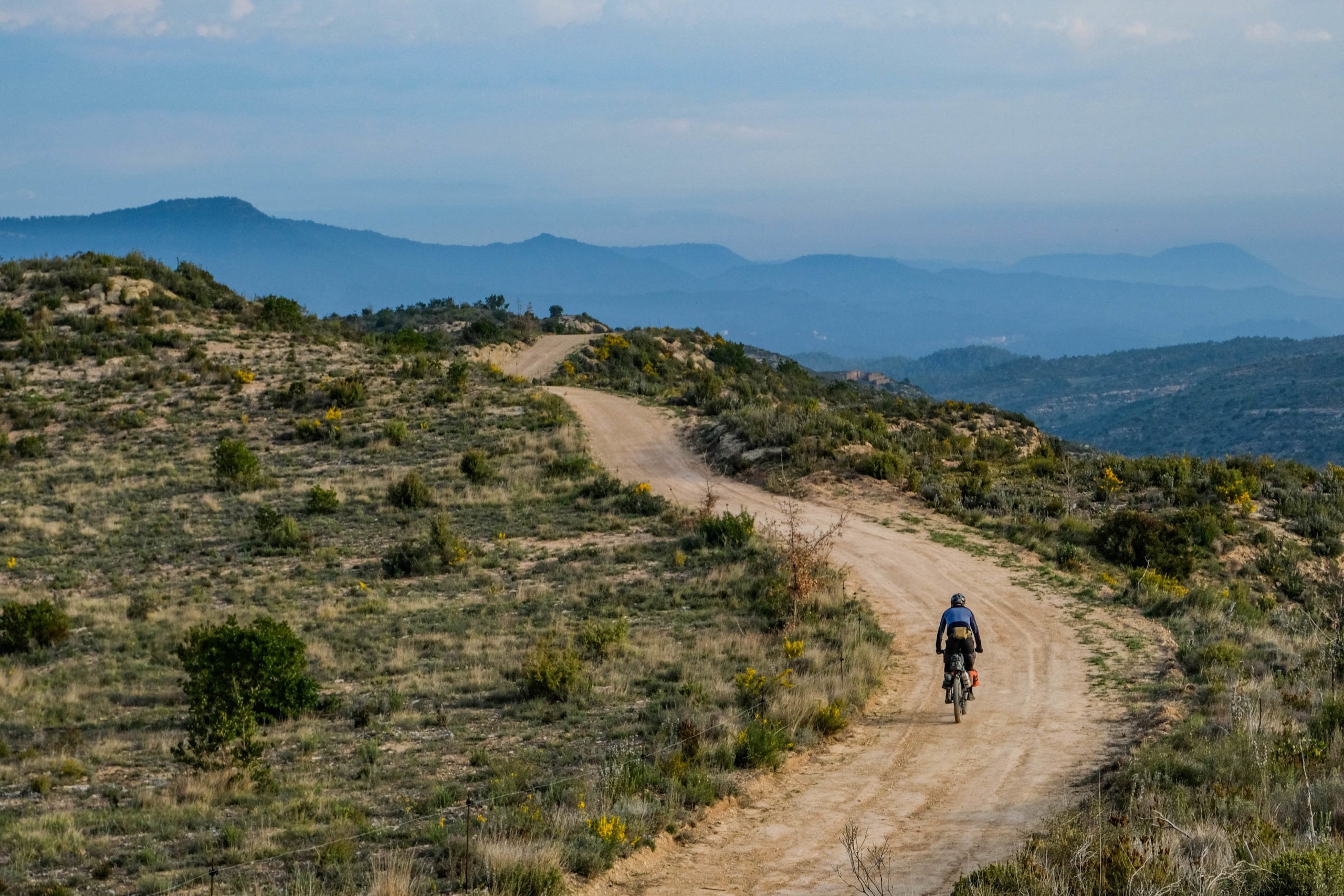
Pedaling across Europe provides tourists with a distinctive opportunity to explore the continent’s vistas, traditions, and history—all in a leisurely manner. Amidst the various picturesque trails, there is one bike path that has captivated cyclists and adventurers. It’s a route that permits travelers to traverse three nations in a single day, combining borderless travel with deep immersion. Snaking through Austria, Switzerland, and Germany, this bike trail is more than just a physical adventure—it’s a passage through the core of Central Europe’s geographical and cultural richness.
The trail begins along the shores of Lake Constance, or Bodensee, a glistening body of water that acts as a natural meeting point for the three countries. The lake itself is one of Europe’s largest freshwater lakes and a hub for outdoor recreation, charming towns, and historic landmarks. The circular path that encircles Lake Constance, commonly known as the Bodensee-Radweg, covers around 260 kilometers (roughly 160 miles) and is one of the most popular long-distance bike routes in Europe.
While many cyclists choose to complete the full loop over several days, it’s entirely possible to cover a segment that includes all three countries—Austria, Switzerland, and Germany—in a single day, especially for moderately experienced riders. This one-day section offers a condensed version of the full experience, with scenic variety, cultural encounters, and border crossings that highlight the unique harmony of the region.
Beginning in the Austrian city of Bregenz, the path swiftly captures attention. Situated at the base of the Pfänder mountain and surrounded by Lake Constance, Bregenz provides a blend of mountain and coastal allure. The city is renowned for its cultural happenings, especially the Bregenz Festival, which presents intricate opera shows on a platform over the water. As cyclists commence their journey, they encounter expansive biking lanes, crisp mountain breezes, and picture-perfect scenery.
From Bregenz, the route runs alongside the lake heading west to Switzerland. Crossing into Switzerland happens effortlessly, thanks to the Schengen Area’s travel agreement, which eliminates passport inspections and customs controls—only a sign marks the shift in nation. The Swiss town of Rorschach represents the ensuing phase of the trip. In this location, cyclists can take advantage of well-kept paths and a lakeside adorned with contemporary art pieces, cafes, and marinas. It’s an idyllic pause for a morning coffee or a brief dip in the lake’s pristine, transparent waters.
Continuing along the northern perimeter of the lake, the path turns north once more, directing cyclists into Germany. Lindau, a town situated on an island linked to the mainland by a bridge, is frequently the first significant German destination on this stretch. With its medieval buildings, cobbled streets, and waterfront promenade, Lindau presents a uniquely different vibe compared to its Austrian and Swiss counterparts. Cyclists frequently stop here to wander through the historic area, savor classic Bavarian dishes, or just take in the expansive views of the lake.
What makes this tri-country ride so remarkable isn’t just the novelty of crossing borders, but the way each region retains its character while blending into a cohesive whole. The terrain is relatively gentle, with well-paved paths and clear signage, making it accessible to casual cyclists and families. Meanwhile, seasoned riders can choose to extend the journey into a multi-day tour that continues further into the hinterlands of each country.
The ecological advantages of these bicycle paths are significant. With the rise of sustainable tourism throughout Europe, developing cycling paths is emerging as a major investment focus for regional authorities. The Lake Constance route illustrates how non-motorized travel can advance environmental objectives while boosting local economies. Cyclists bolster nearby businesses—such as cafés, lodges, and bike hire outlets—without incurring the environmental impact tied to automobile or air transport.
Another layer of depth is added by the cultural variety along the route. In just one day, travelers might hear three different languages—German spoken in each of the three countries, showcasing variations in accent and terminology—alongside distinct dialects, foods, and styles of architecture. From Austrian strudel to Swiss chocolate and German bratwurst, the gastronomic adventure enhances the scenic experience.
For those who don’t bring their own bicycles, rentals are widely available in each country, and many shops cater specifically to tourists planning cross-border trips. Some even offer one-way rentals or luggage transfers for those who want to ride without the burden of carrying their belongings. Train connections around the lake also provide flexibility for those who want to shorten their ride or return to their starting point with ease.
Safety is another key draw of this route. The majority of the path is off-road or follows designated bike lanes, reducing interactions with motor vehicles. Families with children can comfortably ride segments of the route without feeling exposed to traffic, and rest stops are frequent. The region also enjoys a well-developed hospitality infrastructure, with guesthouses, campsites, and hotels that cater to cyclists.
People who love cycling and decide to visit during the spring, summer, or the early part of autumn will encounter perfect weather conditions. In spring, flowers blossom along the lakeside, while summer provides warm weather that’s great for swimming and enjoying the sun during pauses. Autumn changes the nearby hills into a canvas of golden and red colors, providing a distinct yet equally enchanting experience.
The Lake Constance bike trail is not just a cycling route—it’s a cultural corridor that connects three nations through shared geography and cooperative tourism. It illustrates how borders, while politically defined, need not be barriers to connection or exploration. In fact, this seamless journey across Austria, Switzerland, and Germany stands as a symbol of European unity, reminding riders that shared spaces can be both diverse and harmonious.
Whether you’re a leisure cyclist looking for a picturesque day trip or an experienced traveler planning to tackle the entire lake loop, this cross-border journey provides a unique mix of nature’s splendor, cultural engagement, and smooth travel. It’s an excursion that not only leads you across nations but also enriches your understanding of each destination’s uniqueness, while acknowledging the connections that unite them.