Our website uses cookies to enhance and personalize your experience and to display advertisements (if any). Our website may also include third party cookies such as Google Adsense, Google Analytics, Youtube. By using the website, you consent to the use of cookies. We have updated our Privacy Policy. Please click the button to view our Privacy Policy.

International

Who controls data and why that equals power

Why Data Control Equates to Unrivaled Power

Data is not neutral raw material; it is a strategic asset. The entity that collects, stores, analyzes, and governs large, high‑quality data sets gains economic advantage, political influence, and operational control. That concentration of capability — to predict behavior, set markets, shape information flows, and make decisions at scale — is what turns data into power.Primary stakeholders responsible for managing dataBig technology platforms: Companies like global search, social media, cloud, and ecommerce platforms aggregate massive behavioral, transactional, and location data across billions of users and services.Governments and regulators: States collect identity, tax, health, telecommunications, and surveillance data; they also set…
Read More
Trump’s damage is done. Democrats – and Europe – are struggling to define what’s next

Trump’s Legacy: Democrats & Europe Grapple with the Future

At the Munich Security Conference, several high‑profile Democrats quietly hinted at presidential aspirations while confronting a stark warning from Europe: the transatlantic bond may never fully revert to what it once was. With global partnerships strained by resurgent nationalism and intensifying geopolitical competition, unresolved doubts about America’s future leadership cast a long shadow over the 2028 campaign.The annual gathering at the Munich Security Conference has long served as a proving ground for aspiring statesmen. For decades, American presidents and would-be presidents traveled to the Bavarian capital to affirm Washington’s commitment to Europe and to reinforce the idea that the United…
Read More
Europa frena su impulso económico: el BCE adopta una postura cautelosa en los tipos de interés

Unpacking China’s Strategy to Undermine US Dollar Dominance

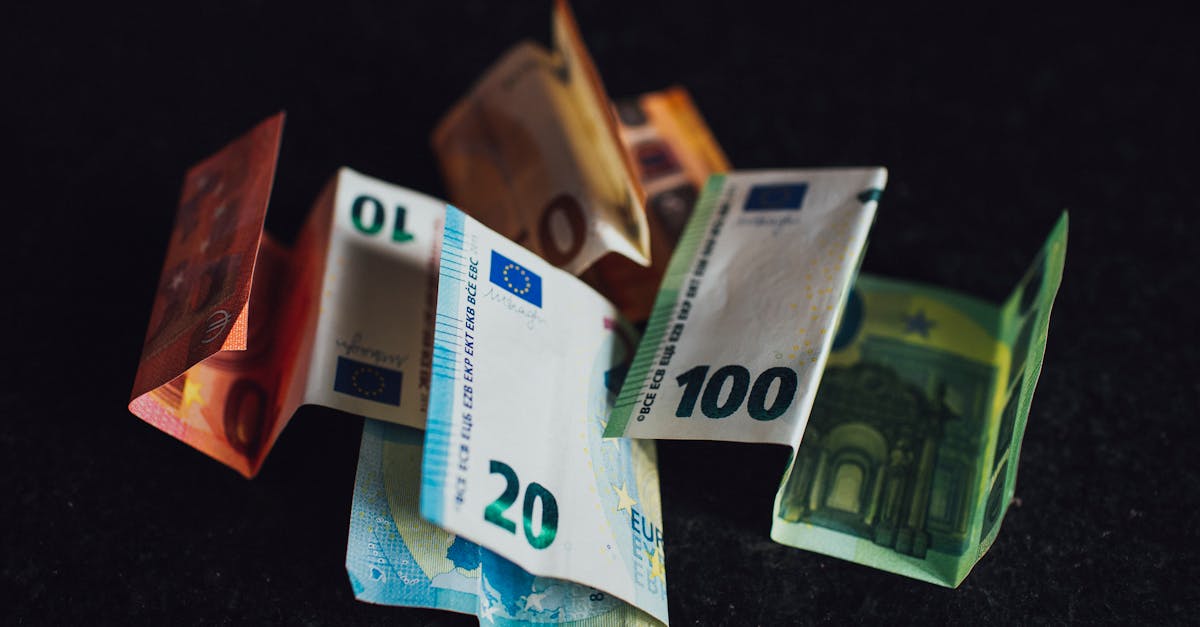
China is using a moment of global uncertainty to press its long-standing ambition of expanding the international role of its currency. Market volatility, a weakening US dollar, and political unpredictability have created conditions Beijing sees as unusually favorable.In recent months, global markets have been unsettled by a mix of political and economic pressures, many tied to policy signals coming from the United States, where the renewed presidency of Donald Trump has introduced fresh unpredictability in trade, monetary policy, and international relations, prompting investors to adjust to evolving circumstances as the US dollar sinks to its lowest point in years and…
Read More
Trump the ‘demolition’ man of world order, European security experts warn

European Security Experts on Trump: ‘Demolition’ Man of World Order

The international framework that has supported decades of relative stability is under growing strain, with a new global security assessment cautioning that forceful political upheaval, largely propelled by US leadership, is hastening the decline of established rules, alliances, and collective norms.According to the Munich Security Report 2026, the world is now experiencing what it labels “wrecking-ball politics,” a governing style in which forceful disruption takes precedence over stability and collective agreement, and the report contends that this shift is putting unprecedented pressure on the postwar international order, exposing it to its most significant challenges since its inception and generating repercussions…
Read More
Why power grids are a bottleneck for clean energy

The Grid Challenge: Powering Clean Energy’s Future

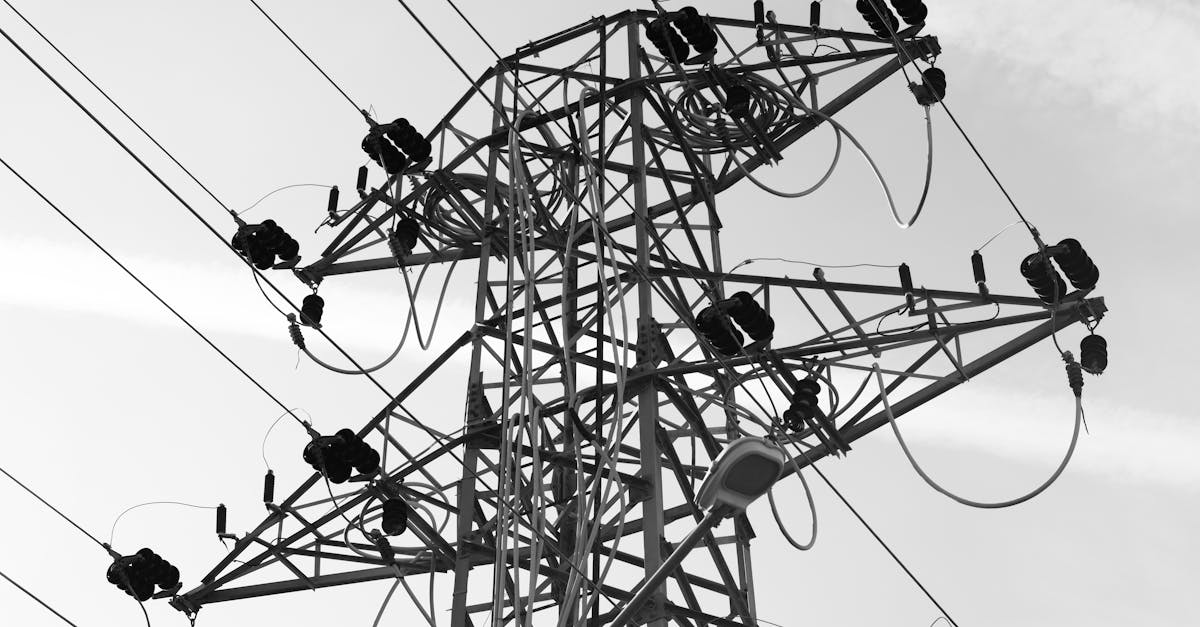
The move toward low‑carbon electricity depends on grids being able to transfer, regulate, and oversee far greater and more unpredictable energy volumes than they were originally designed to handle, and these systems are repeatedly constrained by technical limits, entrenched practices, regulatory hurdles, and societal pressures. This article describes how that bottleneck functions, highlights real examples that reveal its impact, and presents practical ways to accelerate meaningful progress.How the grid’s physical layout clashes with clean energy productionGeography and resource mismatch. The best wind and solar sites are often far from demand centers. Offshore and remote wind farms, desert and high-sun regions…
Read More
How a distant conflict can raise the price of everyday goods

How Global Conflicts Impact Daily Prices

A war or political clash occurring far from home can push up the cost of everyday items through a cascading mix of economic and logistical pressures. Today’s supply networks are deeply interconnected, and vital inputs like energy, metals, food, and shipping capacity tend to be concentrated in a few key producing areas. When turmoil interrupts production, trade routes, insurance services, or financial operations in those locations, input costs rise, and producers ultimately transfer those higher expenses to consumers.Primary transmission pathwaysCommodity supply shocks — Conflicts that disrupt the export flow of oil, gas, wheat, fertilizers, or metals cut global availability and…
Read More
Why energy keeps getting used as a geopolitical tool

The Continuous Geopolitical Relevance of Energy

Energy extends far beyond fuel and electricity, serving as the foundation for industry, transportation, household well-being, and military strength. Because of this central role, it becomes a particularly powerful instrument in international affairs. Governments, corporations, and nonstate actors leverage supply, pricing, infrastructure, regulation, and technological oversight to pursue strategic objectives. This behavior endures due to four persistent factors: the uneven global distribution of resources, the long lifespan of infrastructure and contractual arrangements, the rapid economic strain caused by supply disruptions, and the wide-ranging ripple effects on alliances and domestic political dynamics.Core mechanisms of energy geopoliticsSupply manipulation: producers may restrict or…
Read More
Meet the trusted diplomat tasked with turning the US-backed ceasefire into peace for Gaza

US-Backed Ceasefire: A Diplomat’s Peace Mission in Gaza

Bulgaria’s Nickolay Mladenov, a veteran diplomat, has stepped into one of the most demanding roles of his career: supervising the sensitive rollout of a US‑brokered initiative aimed at stabilizing Gaza and shaping its governance. His background, network, and standing will face significant scrutiny as he maneuvers through the region’s intricate political landscape.Mladenov’s journey to this point has been marked by decades of diplomatic service. Early in his career, he held key positions in Bulgaria’s government, including defense minister at 37 and later foreign minister. His international experience expanded with appointments to the European Parliament and as the UN’s Special Representative…
Read More
Why Venezuela’s opposition leader Machado is betting her political future on Trump

Venezuela: Machado’s Trump-Backed Bid

Venezuelan opposition leader and 2025 Nobel Peace Prize laureate Maria Corina Machado arrives in Washington amid tense negotiations over her country’s future. Her visit coincides with U.S. debates over Venezuela’s leadership following Nicolás Maduro’s removal from power.Machado’s arrival in the U.S. capital follows a volatile year in Venezuelan politics, marked by shifting power and uncertainty. Only a year earlier, she had been on the campaign trail in Caracas, working to rally citizens against Maduro as he entered a third term despite disputed election outcomes. Although her candidate, Edmundo González, was widely reported to have secured a clear victory, Maduro’s administration…
Read More
Venezuela has a ton of oil. It also has something else America needs

Venezuela: Oil and the Other American Imperative

Venezuela’s extensive natural resources have reemerged within Washington’s strategic agenda, with its potential mineral reserves now portrayed as matters of national significance, although specialists caution that transforming these aspirations into tangible results is considerably more intricate than political discourse implies.When Donald Trump declared that U.S. companies would gain access to Venezuela’s oil reserves, attention quickly expanded beyond crude. Inside policy circles, the conversation has increasingly included minerals, metals and even rare earth elements believed to exist beneath Venezuelan soil. These materials are essential to industries ranging from defense and aerospace to clean energy and consumer technology, making them a focal…
Read More