Our website uses cookies to enhance and personalize your experience and to display advertisements (if any). Our website may also include third party cookies such as Google Adsense, Google Analytics, Youtube. By using the website, you consent to the use of cookies. We have updated our Privacy Policy. Please click the button to view our Privacy Policy.

International

¿Cómo comprobar afirmaciones de calidad, sostenibilidad o “compromiso social” en empresas líderes?

The Truth About Recycling: Why Plastic Pollution Persists

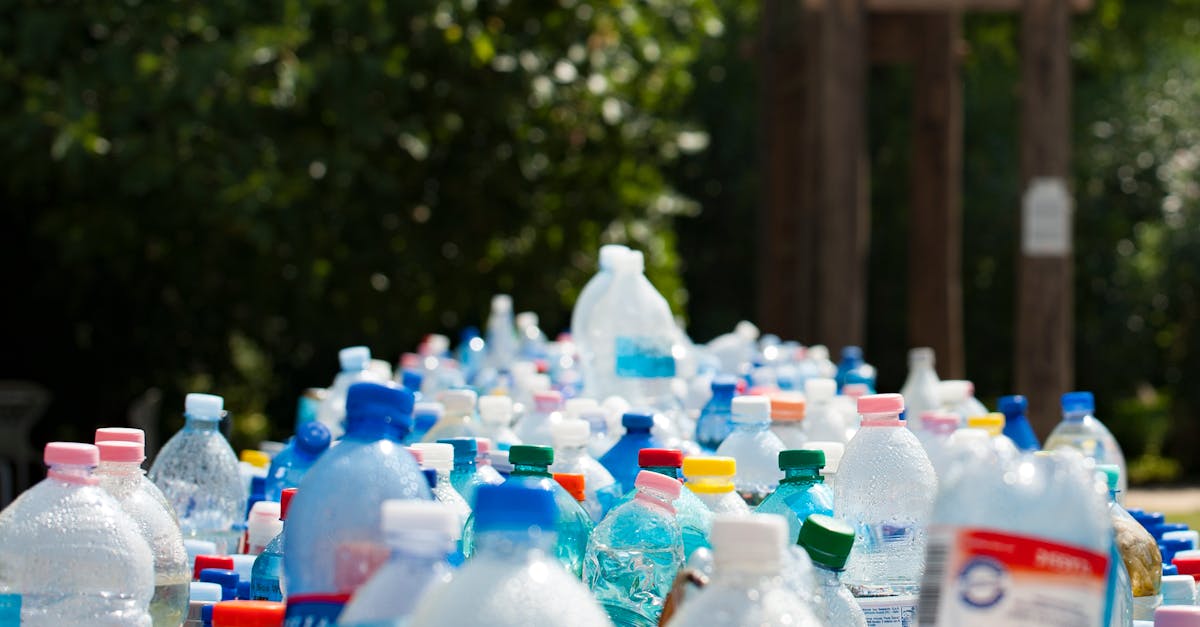
Plastic recycling is often presented as the silver bullet for plastic pollution. The reality is more complex. Recycling matters, but it cannot by itself stop plastic pollution because of technical, economic, behavioral, and systemic limits. This article explains those limits, provides evidence and cases, and outlines complementary strategies that must run alongside recycling to produce real change.Today’s scale: exploring how production, waste, and the true effects of recycling come togetherGlobal plastic output has climbed to more than 350 million metric tons per year in recent times, and a pivotal review of historical production and disposal showed that by 2015 only…
Read More
What’s failing in the global plastics response

Global Plastics Crisis: Why Our Response is Falling Short

Global efforts to address plastics have delivered limited progress, while numerous challenges persist. Production keeps climbing, waste management remains underfunded, policies lean too much on voluntary measures from industry, and many touted technical solutions fail to confront the underlying drivers. Consequently, plastic pollution continues to intensify, fossil-fuel dependencies deepen, and social and environmental damages grow—most acutely in low- and middle-income countries.Failure 1 — Production keeps growing while policy focuses on end-of-lifeThe conversation remains tilted toward waste management and recycling while production of new plastics marches upward. Global production is on the order of hundreds of millions of tonnes per year…
Read More
How tech export controls affect companies and consumers

The Business and Consumer Side of Tech Export Controls

Tech export controls are government rules that restrict the sale, transfer, or sharing of certain technologies across borders. They target items ranging from physical components and finished devices to software, source code, and technical know-how. Governments deploy these controls for national security, economic sanctions, and human rights reasons. The effects are felt across corporate strategies, supply chains, innovation ecosystems, and everyday consumer choices.How export controls functionExport controls operate through several familiar mechanisms:Product and technology classification: governments assign specific codes or categories, such as dual-use or military, that define whether an item needs formal licensing.Licensing and authorization: exporters are required to…
Read More
When carbon capture helps and when it distracts

When Carbon Capture Works

Carbon capture is not a single technology or policy; it is a family of approaches that remove carbon dioxide from flue gases or directly from the air and then either store it permanently underground, use it in products, or inject it in ways that temporarily retain CO2. Whether carbon capture helps or distracts depends on purpose, timing, scale, governance, and economics. Below is a clear assessment of the contexts where carbon capture is a constructive tool and where it creates risks of delay, waste, or greenwashing.How carbon capture can helpDecarbonizing hard-to-abate industries: Cement, steel, chemicals, and some high-temperature industrial processes…
Read More
Why food security remains fragile

Addressing Lingering Food Security Issues

Food security is the condition in which all people, at all times, have physical and economic access to sufficient, safe, and nutritious food. Despite progress in agricultural productivity and declining child mortality in some regions over recent decades, global food security remains fragile. Multiple interacting drivers — environmental, economic, political, social, and technological — continuously undermine availability, access, utilization, and stability of food supplies. The following analysis explains the main causes, illustrates them with cases and data trends, and highlights practical pathways to reduce fragility.Fundamental factors behind fragilityConflict and instability: Armed conflict is the single largest driver of acute food…
Read More
Iranians confront a post-Khamenei reality with relief, disbelief and anxiety

The Post-Khamenei Era: Iranian Perspectives

For the first time in decades, Iranians awoke to a nation no longer led by Ayatollah Ali Khamenei, after coordinated US-Israeli strikes claimed his life, leaving the country facing a profoundly uncertain chapter.Diverse reactions unfolding nationwideThe news of Khamenei’s death has provoked a wide spectrum of reactions across Iran. In the capital and other cities, some citizens expressed cautious relief, viewing the end of his decades-long rule as a potential turning point. Celebrations erupted in certain neighborhoods, with people honking horns, waving clothes, and even toppling monuments associated with the Islamic Republic’s founders. Videos circulating online from cities such as…
Read More
¿Cómo están redefiniendo las NPU y los chips de IA las hojas de ruta de móviles y PC?

Everyone’s Buzzing About the Chip Race

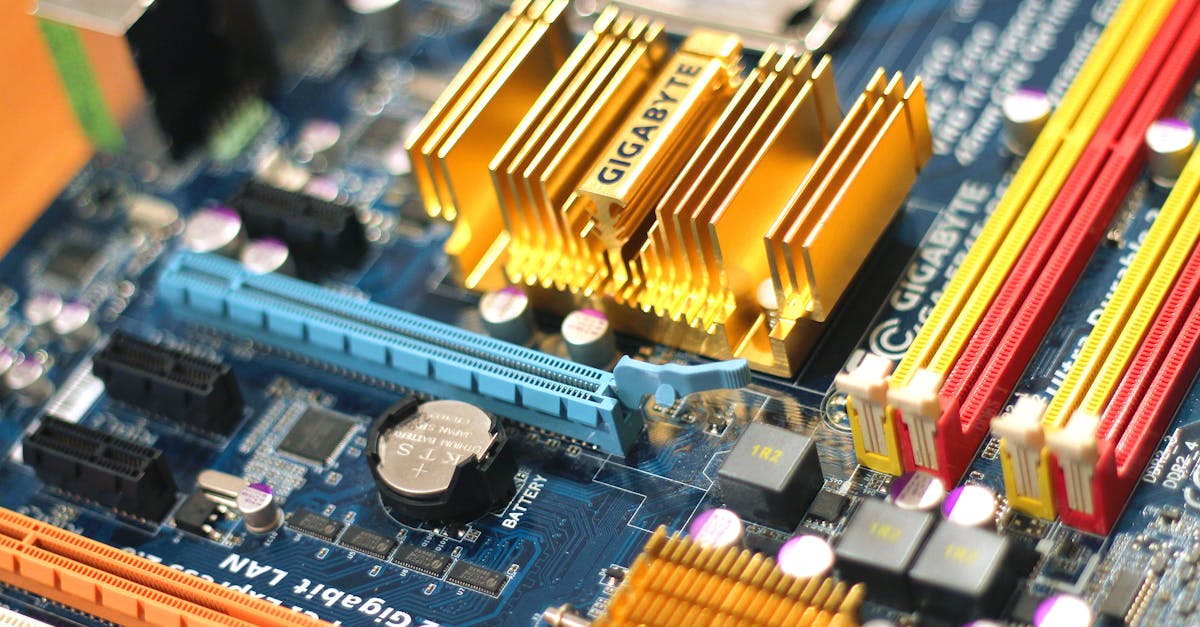
The phrase "chip race" captures a global scramble for leadership in semiconductor design, fabrication, equipment and supply-chain control. Semiconductors are the foundational technology behind smartphones, data centers, electric vehicles, telecom networks, medical devices and modern weapons. When access to advanced chips becomes a bottleneck, entire industries and national strategies are affected. That is why companies, governments and research institutions are pouring money, policy and prestige into dominating the next generation of chips.What’s on the lineEconomic growth: Cutting-edge chip fabrication and engineering foster well-paid employment, strengthen export flows, and diffuse technological gains across numerous sectors.National security: Semiconductors function as dual-use components…
Read More
What safeguards exist in modern nuclear power

Safeguards in Nuclear Energy: A Comprehensive Guide

Modern nuclear power rests on a layered system of technical, organizational, regulatory, and institutional safeguards designed to prevent accidents, limit consequences if they occur, protect against malicious acts, and ensure that nuclear materials are not diverted for weapons. These safeguards are applied across the life cycle of a plant: siting, design, construction, operation, emergency planning, waste management, and decommissioning.Fundamental tenets: layered protection supported by successive physical obstaclesThe guiding principle follows a defense-in-depth approach, employing several independent protective layers to ensure that neither a single malfunction nor a human mistake results in a catastrophic release. Working alongside these safeguards are multiple…
Read More
Four years on, Russia’s war in Ukraine has transformed conflict and shattered global security

Four Years Later: How Russia’s Ukraine War Changed Everything

After four years of relentless conflict, Ukraine’s war has transformed far more than its own borders. From the mechanics of modern combat to the foundations of global alliances, the repercussions now stretch across continents.What started as a sweeping invasion has shifted into a drawn‑out confrontation that is reshaping military strategy, diplomatic relations and global power dynamics. For Ukraine, staying alive has required relentless adaptation under relentless attack. For Europe, the conflict has revealed weaknesses that years of relative calm had kept hidden. For the United States and other international players, it has triggered a reevaluation of obligations once seen as…
Read More
How shared river agreements prevent conflict

Collaborative River Management: Preventing Disputes

Rivers often flow across political boundaries in ways that defy modern territorial concepts. More than 150 nations rely on transboundary river basins, and over 260 international river and lake systems cut across national borders. In regions where water is scarce or unevenly spread, competition may intensify and lead to diplomatic strain or even military displays. In contrast, well-crafted shared river agreements provide cooperative frameworks that transform potential conflict zones into stable, jointly managed resources. This article outlines how these agreements help avert disputes, offering examples, data, and practical insights.Primary hazards linked to unregulated transboundary riversUncoordinated use of a shared river…
Read More