



Table of Contents
Exploring the Hidden Economy: An In-Depth Study
The phrase hidden economy often brings to mind visions of secretive transactions taking place in poorly lit backstreets. Yet, the true nature of this economic system is both more commonplace and complex. The hidden economy—also known as the shadow or informal sector—comprises all economic activities that operate without governmental oversight, and consequently, are not factored into a nation’s recognized Gross Domestic Product (GDP).
Features of the Hidden Economy
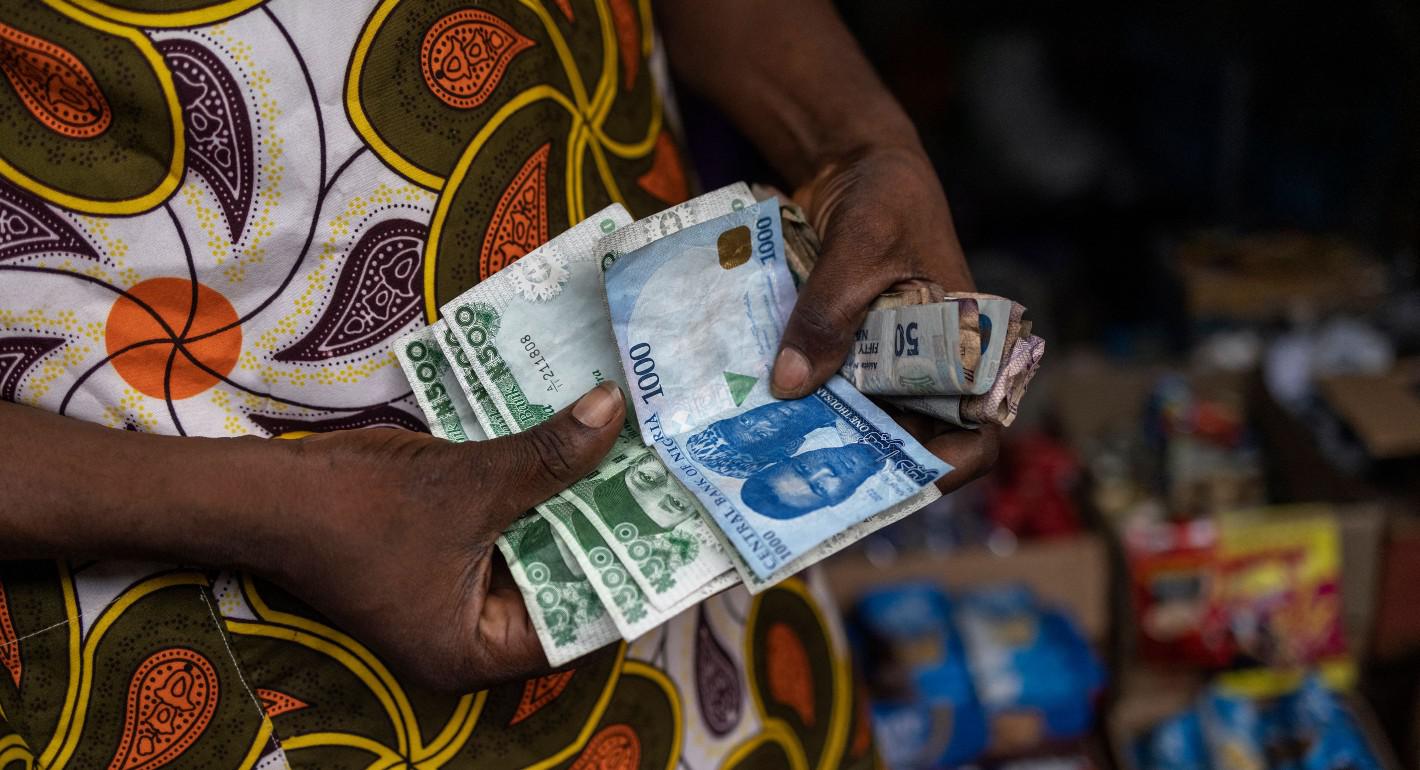
The shadow economy encompasses actions that, though frequently lawful, proceed without governmental supervision. This absence of control implies these activities remain untaxed and undocumented. Typical instances involve businesses operating solely with cash, freelance jobs paid off the books, and certain online transactions conducted beyond the jurisdiction of tax officials.
Diverse Landscapes and Activities
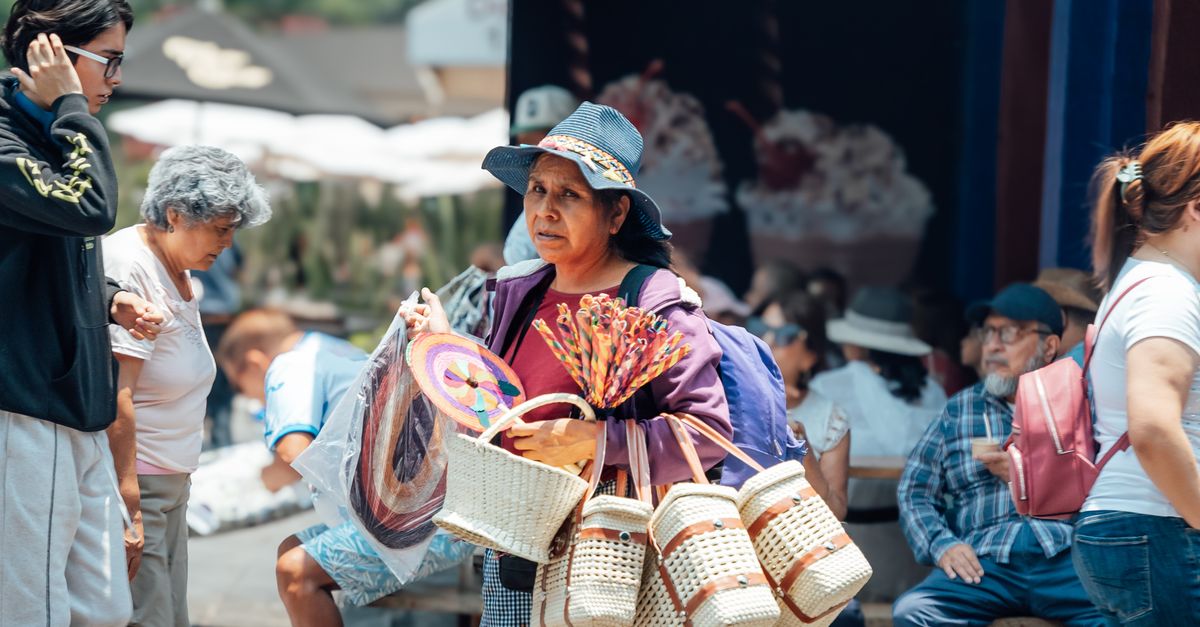
1. Unofficial Work: A large segment of the shadow economy consists of unregulated positions where individuals receive payment directly, avoiding standard employment protocols. These roles range from child care to cleaning services to temporary agricultural labor. People in these positions frequently miss out on benefits like medical care and pension contributions.
2. Illegal Trade: Though less ubiquitous than unregistered employment, illegal trade in goods and services plays a notable role. This includes the black market for drugs, weapons, and even human trafficking. Such activities not only evade taxation but also pose significant ethical and legal issues.
3. Cultural and Regional Variations: The composition of the underground economy can vary widely by country and region. For example, in some developing countries, the informal market is so large that it dwarfs the formal economy. Cultural factors, such as a community’s trust in government or traditional barter systems, can heavily influence the prevalence and acceptance of underground economic activities.
Impacts on Society and Economies
The hidden economy carries a twofold effect. Firstly, it offers vital earnings for people who cannot access official jobs. At the same time, it results in financial losses for governments, with approximately $2 trillion in tax income lost every year globally. This deficit influences public services and the advancement of infrastructure, resulting in wider societal challenges.
A Case Study: Agriculture in Developing Nations
In various emerging nations, most agricultural operations are carried out informally. Cultivators often sell their goods straight to purchasers, skipping over marketplaces and taxation frameworks. This approach enables them to avoid strict regulations but leads to scant information on national agricultural output, which obstructs the creation of effective policies.
Factors Fueling the Underground Economy
1. Burdens of Regulation and Costs of Compliance: Economies with stringent regulations frequently drive companies into the shadows because of high compliance expenses. Smaller business owners might opt for informal operations to evade bureaucratic obstacles.
2. Economic Necessity: In regions with high unemployment and poverty rates, the informal sector often provides the only viable employment option.
3. Technological Advances: The rise of digital platforms, while boosting e-commerce, has paradoxically facilitated an increase in unreported economic activities. Peer-to-peer platforms and cryptocurrency transactions often bypass traditional economic oversight.
Strategies for Integration and Regulation
To effectively address the complexities of the underground economy, governments can pursue several strategies:
– Regulatory Simplification: By streamlining regulatory processes, governments can encourage businesses to transition from informal to formal operations.
– Incentives for Legalization: Providing tax incentives or financial support for businesses that officially register can encourage informal organizations to pursue official status.
Teaching and Assisting Informal Employees: Delivering knowledge on the advantages of formalization and giving assistance for the changeover can facilitate the inclusion of clandestine workers into the official sector.
Reflecting on the underground economy reveals a vast and multifaceted world that affects global economic stability and individual livelihoods alike. Understanding and addressing this economy requires a nuanced approach that considers the economic imperatives, cultural contexts, and regulatory frameworks that sustain it. With concerted efforts, the line between informal and formal economies can be bridged, fostering more equitable growth and sustainability.