





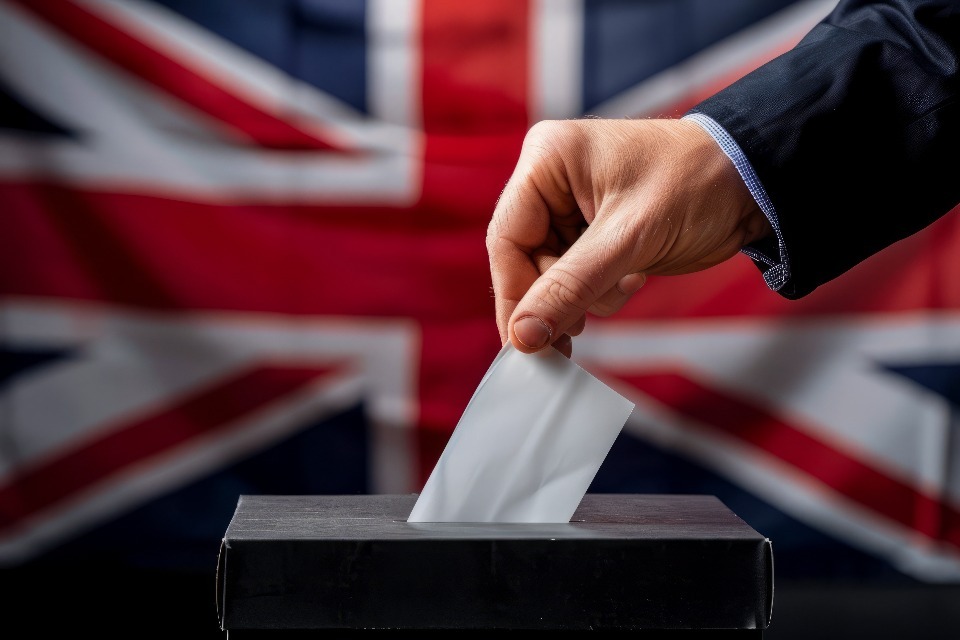
The United Kingdom government has officially announced its intention to lower the national voting age from 18 to 16, a significant reform slated to be in effect by the next general election. This change is part of a broader package of measures designed to deepen democratic participation across the nation. The move fulfills a key pre-election pledge made by the center-left Labour Party, which ascended to power in July 2024, signaling a fresh approach to electoral policy and a commitment to expanding the franchise to a younger demographic.
This decision positions Britain among a select group of nations globally where 16- and 17-year-olds are permitted to vote in national elections. Currently, countries such as Austria, Brazil, and Ecuador already extend this right to their 16-year-old citizens. Within the European Union, a handful of member states, including Belgium, Germany, and Malta, allow individuals aged 16 and above to cast ballots specifically in elections to the European Parliament, showcasing a growing trend towards youth enfranchisement in some parts of the continent. It’s also noteworthy that Scotland and Wales, constituent nations of the UK, have already implemented this lower voting age for their respective local and regional elections, providing a domestic precedent for the nationwide shift.
The initiative to lower the voting age is intertwined with a series of comprehensive electoral reforms. Among these is a tightening of campaign finance regulations, specifically designed to curtail the influence of shell companies with opaque ownership structures from making contributions to political parties. Democracy Minister Rushanara Ali emphasized that this particular measure is intended to fortify safeguards against undue foreign interference in British politics, addressing concerns about the integrity of the democratic process and ensuring greater transparency in political funding.
En conjunto con estas modificaciones se han implementado sanciones más severas para aquellos que sean hallados culpables de amenazar a candidatos electorales. Esto busca salvaguardar el proceso democrático de intentos desestabilizadores o malintencionados que pretendan silenciar o disuadir a quienes aspiran a cargos públicos, promoviendo un entorno más seguro y respetuoso para el ejercicio político. Estas disposiciones son fundamentales para mantener los principios de competencia justa y libertad de expresión dentro de un sistema democrático.
Moreover, the administration intends to implement automatic registration for voters, a change anticipated to considerably increase the tally of eligible individuals on the voting lists. This simplifies the procedure for new voters and cuts down on bureaucratic obstacles that could otherwise hinder eligible people from engaging. Furthermore, a novel regulation will enable voters to use bank cards as identification at voting venues. This differs from the former Conservative government’s introduction of a compulsory photo ID mandate in 2022, a step that was defended as a way to prevent election fraud. Nevertheless, opponents of the former measure contended it unjustly disenfranchised vulnerable sections of the populace, including the youth, individuals with lower earnings, and members of ethnic minority communities, who might encounter more difficulties in acquiring or having the necessary photo ID.
Certainly, here is the text rewritten in English while adhering to the provided rules:
In fact, the entity overseeing elections, the Electoral Commission, calculated that about 750,000 people were unable to participate in the previous year’s election due to insufficient identification. This figure highlighted the issues raised by those who opposed, concerning the risk of limiting voter participation. The recently implemented rule, which accepts bank cards as a valid type of identification, seems to address these objections by aiming to enhance voting accessibility while maintaining security.
The extensive backdrop for these changes involves a noticeable drop in voter turnout. The 2024 national election witnessed participation at just 59.7%, representing the lowest rate in more than twenty years. This figure indicates an increasing disinterest among voters, leading to an essential analysis of the obstacles to participation and the perceived importance of the political system. The government’s suggested changes, specifically reducing the voting age and implementing automatic registration, are evidently designed to counteract this pattern by making voting easier and more attractive to a broader audience, particularly younger individuals.
The debate surrounding lowering the voting age has been ongoing in the UK for many years. Proponents argue that 16- and 17-year-olds are capable of making informed decisions, contributing to society through employment and taxes, and are directly impacted by political decisions on issues such as education, climate change, and healthcare. Granting them the right to vote, they contend, would foster earlier civic engagement and create a more representative democracy. Opponents, however, often raise concerns about political maturity, potential susceptibility to influence, and a perceived lack of life experience among younger voters. The government’s decision signals a shift towards trusting younger citizens with greater democratic responsibility.
The implications of this reform package are far-reaching. By lowering the voting age, the UK political landscape will incorporate a new demographic with distinct concerns and priorities, potentially influencing party manifestos and campaign strategies. Parties will need to adapt their outreach and policy platforms to engage effectively with this younger electorate. The introduction of automatic voter registration could lead to a significant increase in the total number of registered voters, potentially altering the dynamics of future elections by bringing previously disenfranchised or less engaged groups into the electoral fold.
In addition, the adjustments to campaign financing and the heightened sanctions for intimidation of candidates aim to enhance the honesty and fairness of the voting process. By minimizing the impact of unclear funding origins and assuring that candidates can engage without the threat of intimidation, the administration aims to reinforce the core tenets of a robust democracy. Altogether, these steps illustrate a government dedicated to invigorating democratic involvement and tackling some of the persistent issues regarding electoral fairness and accessibility.
The UK’s decision is part of a larger global movement within certain democratic countries to reconsider the age of political adulthood. There has been an increased focus worldwide on young people’s involvement and their influence in policy-making, particularly regarding challenges such as climate change that have significant implications for upcoming generations. By reducing the voting age, the UK is joining a rising list of nations that advocate for granting younger individuals a direct voice in shaping their shared future. This change might act as a benchmark or encourage other countries still discussing comparable reforms.
The UK government’s pledge to lower the national voting age to 16 before the upcoming general election signifies a crucial step in its democratic development. Alongside tighter rules on campaign finances, bolstered candidate security, automatic voter registration, and more accessible voter ID practices, these changes aim to boost democratic engagement and tackle longstanding criticisms of the electoral process. The primary objective is to nurture a more inclusive, robust, and representative democracy that empowers a wider portion of its citizens and fortifies protections against inappropriate influence. The progress of these initiatives will be closely watched as Britain begins this new phase in its democratic path.