

Our website uses cookies to enhance and personalize your experience and to display advertisements (if any). Our website may also include third party cookies such as Google Adsense, Google Analytics, Youtube. By using the website, you consent to the use of cookies. We have updated our Privacy Policy. Please click the button to view our Privacy Policy.

Dow tumbles more than 800 points as tariff uncertainty and AI disruption fears roil markets

Market Turmoil: Dow Tumbles 800+ Points on Tariff & AI Worries

Wall Street stumbled at the start of the week as renewed trade tensions and unease over artificial intelligence unsettled investors. Stocks declined broadly, while traditional safe havens gained ground amid rising volatility.Financial markets opened the week under pressure, reflecting a mix of policy uncertainty and sector-specific anxieties that unsettled traders across major exchanges. A combination of newly proposed tariffs from President Donald Trump and persistent questions surrounding the long-term impact of artificial intelligence weighed heavily on sentiment, pushing equities lower and lifting demand for defensive assets.The Dow Jones Industrial Average posted a pronounced downturn, falling by more than 800 points…
Read More
Madrid, in Spain: Why corporate governance practices influence financing costs

Financing Costs & Governance in Madrid, Spain: A Deep Dive

Madrid serves as Spain’s hub for finance and corporate activity: the Bolsa de Madrid hosts the country’s largest listed companies, numerous multinational headquarters operate from the city, and Madrid’s banks and corporate issuers play a central role across European capital markets. Corporate governance in these entities — including board composition, ownership concentration, disclosure standards, audit rigor, and the handling of minority shareholders — significantly influences how lenders, bondholders, equity investors, and rating agencies assess risk. That assessment shapes each firm’s cost of debt and equity, its access to capital markets, and the financing options available to companies based or listed…
Read More
Portugal: What makes Portugal attractive for founders balancing lifestyle and market access

Portugal for Founders: Lifestyle & Market Access Balance

Portugal has emerged as a notable option for founders seeking to balance an exceptional quality of life with convenient access to European and international markets, and its population of roughly 10 million, favorable time zone, expanding startup ecosystem and more predictable living expenses than major Western centers create a practical mix of lifestyle appeal and commercial opportunity. The following narrative outlines the primary considerations for founders, enriched with examples, relevant data and specific points to evaluate.Strategic entry into the marketEuropean single market gateway: Portugal belongs to the EU and participates in the single market, allowing duty-free exchanges and harmonized regulations…
Read More
Amsterdam, in the Netherlands: What founders should know about option plans and taxation

Founder Equity & Tax in Amsterdam: A Guide to Stock Option Plans

Building a team with equity incentives is standard for Amsterdam startups, but Dutch tax and employment rules strongly shape how option plans work in practice. This guide covers practical plan design, tax consequences for founders and employees, reporting and withholding obligations, valuation and liquidity considerations, and international pitfalls. Examples and numeric illustrations show the real-world cash and tax impacts founders should plan for.Essential factors for legal and corporate structuringEntity form: Most startups typically function as private limited companies, and their corporate documents together with the capitalization table should authorize an option pool, detailing its maximum size and the classes of…
Read More
Germany: How Mittelstand-style management builds long-term competitiveness

Mastering Competitiveness: Insights from German Mittelstand

Germany’s economic resilience and industrial leadership are rooted less in headline multinational brands than in a dense population of mid-sized companies that prioritize longevity over short-term gains. This article explains the structural and managerial practices that drive long-term competitiveness in that model, offers concrete examples and data-based context, and draws out lessons for managers and policymakers.Defining characteristics of the mid-sized enterprise modelOwnership orientation: High incidence of family ownership or founder-led firms with multi-decade horizons rather than a focus on quarterly earnings.Specialization and niche dominance: Firms concentrate on very specific product or process segments, often becoming global leaders in narrow markets.Highly…
Read More
Trump threatens new 100% tariffs on Canada over possible trade deal with China

Potential 100% Tariffs on Canada by Trump over China Deal

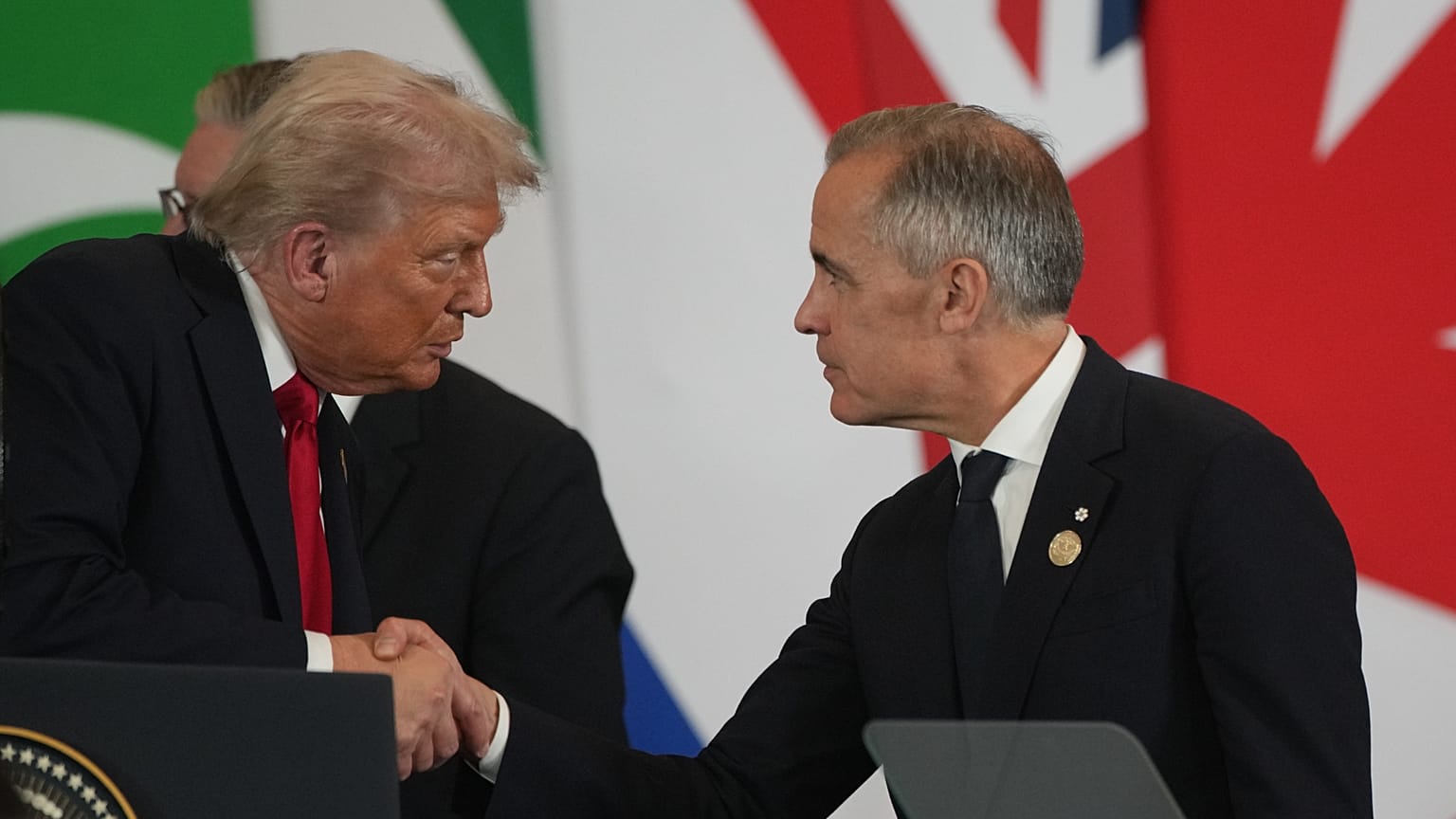
Tensions between the United States and Canada intensified this week after President Donald Trump cautioned that he might levy significant tariffs on Canadian imports should the nation deepen its trade relationship with China, a statement that represents the latest surge in ongoing commercial frictions between the two neighbors.President Trump’s recent statements have raised concerns over the stability of North American trade relations. Speaking on his social media platform, Truth Social, Trump suggested that Canada risks severe economic consequences if it allows Chinese goods to flow into the U.S. via Canadian markets. He warned that a trade agreement between Canada and…
Read More
Trump has tariffs. Europe has a trade bazooka. This Greenland standoff could get ugly, fast

Greenland Standoff: Trump’s Tariffs Meet Europe’s Trade Bazooka

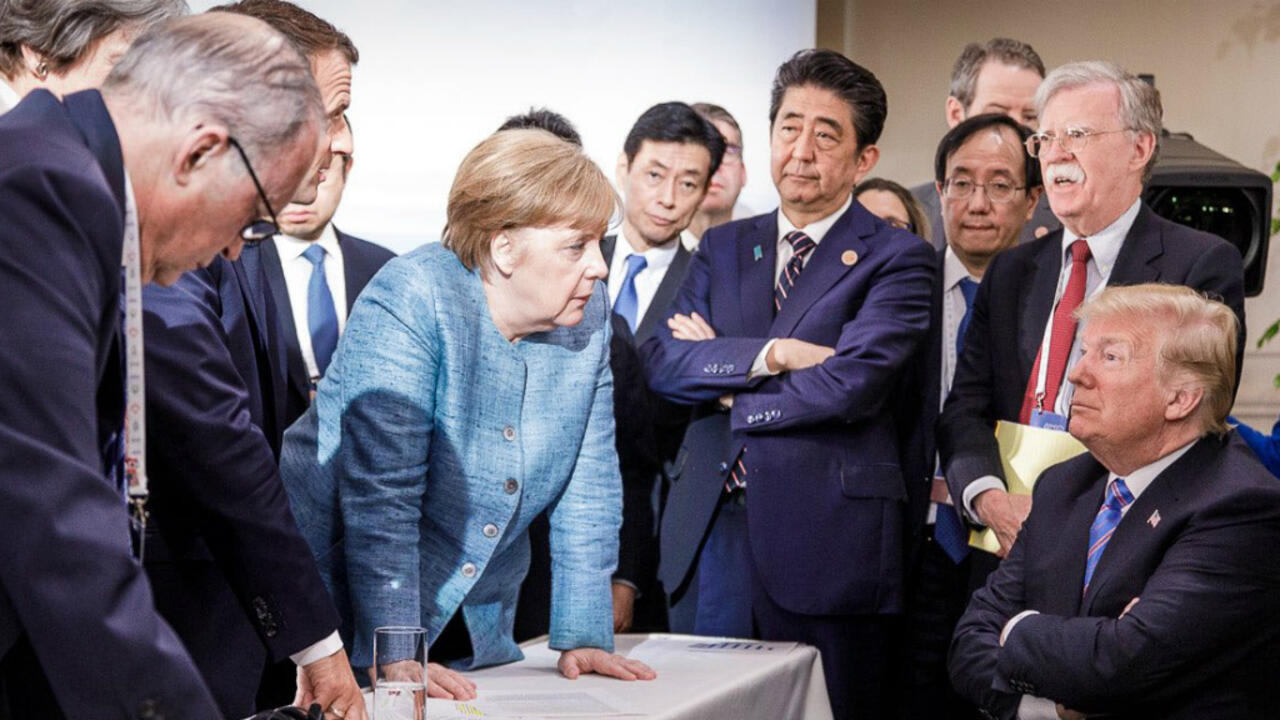
A fresh wave of tariff warnings has heightened economic unpredictability on both sides of the Atlantic, prompting worries that these trade tensions may expand into wider financial and political repercussions. What initially emerged as a diplomatic impasse now threatens to evolve into a long-term obstacle for two of the planet’s most tightly linked economies.The latest warnings issued by Donald Trump have reignited fears of a trade confrontation between the United States and several European nations. By signaling the possible imposition of new tariffs on imports from a group of Northern and Western European countries, the administration has placed fresh pressure…
Read More
Francisco Martinelli

Mexico: Mitigating Currency Risk & Inflation in Long-Term Contracts

Mexico offers deep trade and investment linkages with global partners and a diversified domestic market. That makes long-term contracts — infrastructure concessions, multi-year supply agreements, project finance loans, and energy offtake deals — commercially attractive. At the same time, such contracts are exposed to two related macro risks:Currency risk: shifts in the Mexican peso (MXN) relative to major billing currencies, most often the US dollar, can alter the actual worth of both payments and returns.Inflation risk: sustained increases in overall price levels gradually diminish fixed-rate income streams while pushing up local expenses tied to labor, materials, utilities, and taxes.The Bank…
Read More
San José, in Costa Rica: What makes service exports scalable beyond a single market

San José, Costa Rica: Unlocking Service Export Growth Beyond a Single Market

San José functions as the economic and institutional heart of Costa Rica and a springboard for service exports that reach global markets. A combination of human capital, institutional stability, digital infrastructure, targeted incentives, and industry clustering creates an environment where services — from software and business process outsourcing to professional and creative services — can be packaged, delivered, and scaled to many markets beyond Costa Rica’s borders.Primary strategic strengths that drive scalable growthConcentrated talent and education pipeline. San José hosts the country’s leading universities and technical institutes that produce graduates in engineering, computer science, business administration, and language skills. This…
Read More
‘Sell America’ returns to Wall Street after Trump ups the ante against Jerome Powell and the Fed

‘Sell America’ Returns: Wall Street Weighs Trump’s Powell Stance

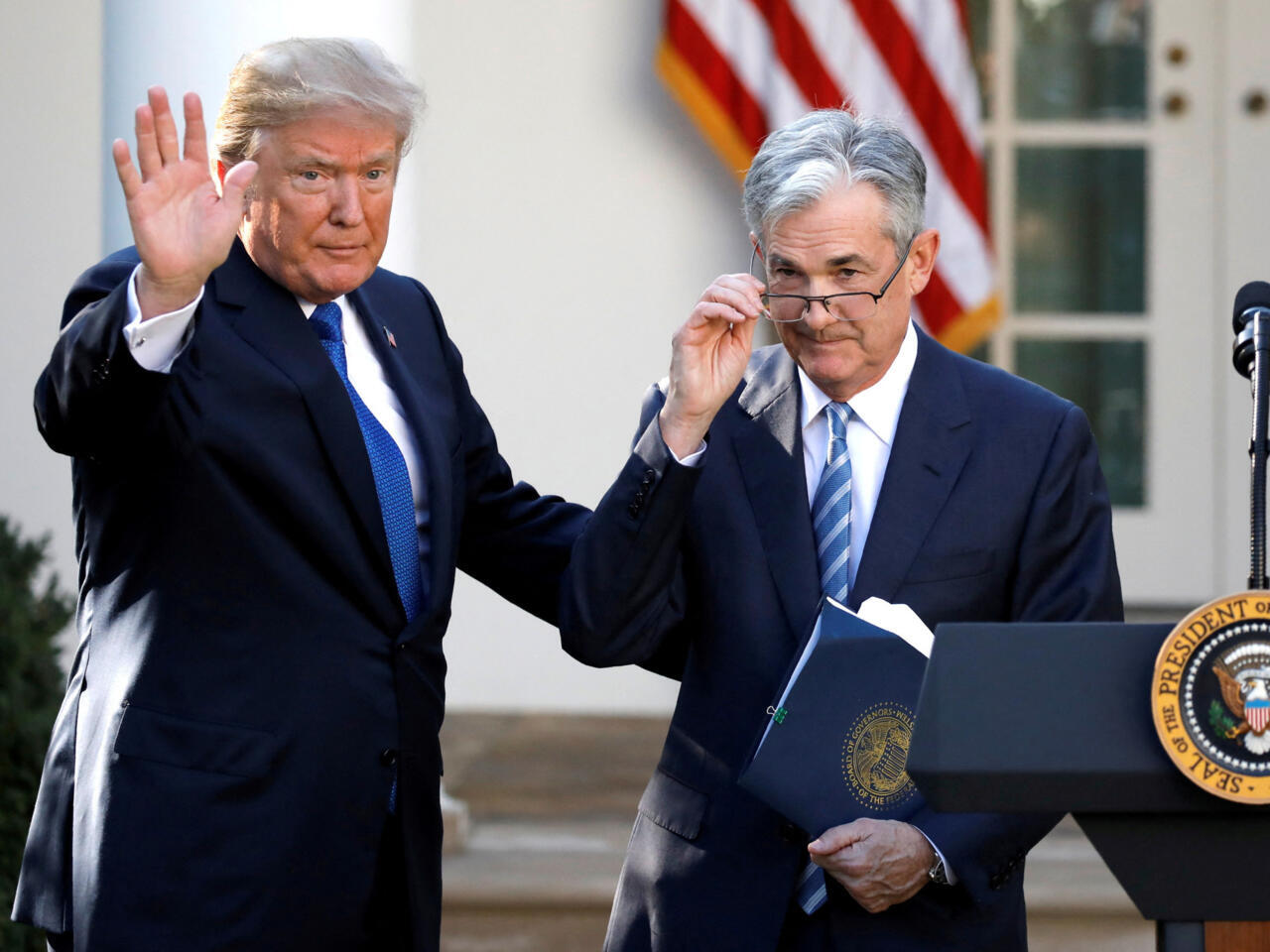
Investors reacted swiftly after news of a criminal investigation into Federal Reserve Chair Jerome Powell, reigniting concerns over US financial stability. The announcement triggered modest sell-offs across stocks, bonds, and the dollar, highlighting fears over the independence of the Fed.US equity markets opened lower following reports that federal prosecutors were investigating Powell. The Dow Jones Industrial Average dropped 159 points, a decline of 0.32%, while the broader S&P 500 slipped 0.14%, and the tech-heavy Nasdaq fell by 0.1%. The US dollar weakened against other major currencies, with the dollar index down 0.35%, signaling a cautious response from currency traders. Meanwhile,…
Read More